
أنظمة التثبيت الشمسية لعام 2026: الدليل الفني لاختيار مثبتات HDG لعمر افتراضي يصل إلى 25 عامًا

Annie Z
الكاتببخبرة تزيد عن 25 عاما في إنتاج وتصدير أدوات التثبيت، ندير مصنعنا الخاص وتُصدَّر منتجاتنا إلى أكثر من 50 دولة. نحن خبراء متخصصون في البراغي والصواميل والوردات ومسامير التثبيت وملحقات التثبيت المخصصة.
مع توسع منشآت الطاقة الشمسية على نطاق المرافق العامة في عام 2026، أصبحت المعايير الهندسية أكثر صرامة. تمثل مزارع الطاقة الشمسية استثمارات مالية ضخمة مصممة بعمر تشغيلي إلزامي يتراوح بين 25 و30 عامًا. بينما تحظى الألواح الكهروضوئية وأنظمة الرفوف المصنوعة من الألومنيوم بأكبر قدر من الاهتمام، فإن السلامة الهيكلية الكاملة للمصفوفة تعتمد على أصغر المكونات: أدوات التثبيت.
إذا صدأت البراغي التي تربط حوامل الطاقة الشمسية وفشلت في العام العاشر، فإن العمر الافتراضي للألواح البالغ 25 عامًا يصبح غير ذي صلة. بالنسبة لمصفوفات الطاقة الشمسية المعرضة للحقول المفتوحة والرياح الساحلية والتربة شديدة القلوية أو الحمضية، فإن الجلفنة بالغمس الساخن (HDG) هي المعيار النهائي لأدوات التثبيت الفولاذية.
يشرح هذا الدليل الفني علم معدلات استنزاف الزنك واختيار المكونات ومتطلبات مراقبة الجودة لضمان بقاء أدوات تثبيت حوامل الطاقة الشمسية الخاصة بك لمدة ربع قرن.
1. الرياضيات وراء عمر 25 عامًا: معدلات استنزاف الزنك
الجلفنة بالغمس الساخن ليست مجرد حاجز مادي؛ بل هي تفاعل معدني يخلق سبيكة من الزنك والحديد. في البيئات الخارجية، تعمل طبقة الزنك هذه كقطب مضحٍ، حيث تتآكل ببطء بمرور الوقت لحماية قاعدة الفولاذ الأساسية. لضمان عمر افتراضي يبلغ 25 عامًا، يجب على المهندسين حساب معدل التآكل البيئي وتحديد سمك طلاء الزنك الأولي الصحيح.
متوسط معدلات استنزاف الزنك حسب البيئة
| الظروف البيئية | فئة التآكل ISO | فقدان الزنك المقدر سنويًا | الحد الأدنى المطلوب لسمك الجلفنة بالغمس الساخن لمدة 25 عامًا |
|---|---|---|---|
| جاف / ريفي / صحراوي | C2 (منخفض) | 0.1 إلى 0.7 ميكرومتر / سنة | 45 - 55 ميكرومتر (قياسي) |
| حضري / صناعي خفيف | C3 (متوسط) | 0.7 إلى 2.1 ميكرومتر / سنة | 65 - 85 ميكرومتر (خدمة شاقة) |
| ساحلي / رطوبة عالية | C4 (عالٍ) | 2.1 إلى 4.2 ميكرومتر / سنة | > 85 ميكرومتر (طلب خاص) |
ملاحظة هندسية: بالنسبة لمعظم مشاريع الطاقة الشمسية على نطاق المرافق، توفر البراغي المجلفنة كهربائيًا (المطلية بالزنك) القياسية حماية تتراوح من 5 إلى 15 ميكرومتر فقط. في بيئة C3، ستصدأ تمامًا في غضون 3 إلى 5 سنوات. حدد دائمًا معايير مثل ISO 10684 أو ASTM A153 لضمان قيام الشركة المصنعة بتطبيق سمك الجلفنة بالغمس الساخن الصحيح.
2. اختيار أدوات التثبيت لأنظمة حوامل الطاقة الشمسية
تتطلب أنظمة حوامل الطاقة الشمسية أدوات تثبيت يمكنها التعامل مع كل من الأحمال الميتة الساكنة (وزن الألواح) والأحمال البيئية الديناميكية (رياح الرفع والثلوج). يجب أن تلتزم أبعاد أدوات التثبيت بدقة بالمواصفات الصناعية الواقعية، والتي تتراوح عادةً من M10 إلى M20 للتوصيلات الهيكلية.
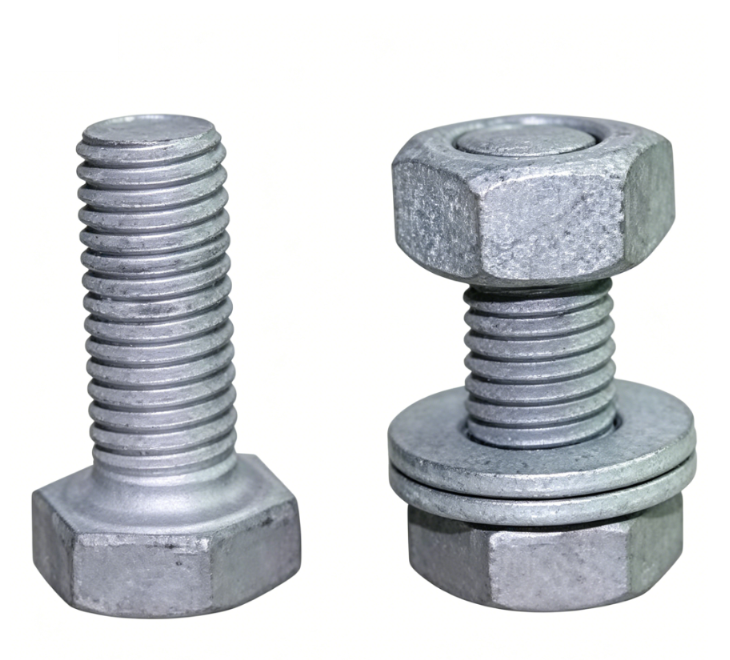
براغي وصواميل سداسية هيكلية (M12 - M16)
تُستخدم لتوصيل أعمدة الدعم الفولاذية الرئيسية بالعوارض المتقاطعة. نظرًا لأحمال الرياح العالية في مزارع الطاقة الشمسية المفتوحة، يجب أن تكون هذه البراغي عالية القوة (عادةً درجة 8.8 أو ASTM A325). يوفر طلاء الجلفنة بالغمس الساخن حماية حيوية ضد الرطوبة الجوية.
براغي على شكل حرف U مربعة ومستديرة
تُستخدم غالبًا في الأنظمة المثبتة على الأرض لتثبيت دعامات الأنابيب الفولاذية أو تأمين أنابيب عزم الدوران للمتعقبات. عند شراء البراغي على شكل حرف U، يجب على المهندسين التأكد من أن المصنع يستخدم تقنيات الثني على البارد المناسبة قبل عملية الجلفنة بالغمس الساخن. يمكن أن يؤدي الثني الرديء إلى إنشاء شقوق دقيقة في الفولاذ، مما يؤدي إلى تقشر الزنك الموضعي وصدأ مبكر.
قضبان التثبيت ومسامير الأساس (M16 - M24)
تقوم هذه القضبان الملولبة بتثبيت مصفوفة الطاقة الشمسية بأكملها في القواعد الخرسانية أو مباشرة في الأرض. نظرًا لأن مقاومة التربة ومستويات الأس الهيدروجيني ورطوبة الأرض تخلق بيئة تآكل شديدة العدوانية، يجب أن يحافظ الجزء المدفون من هذه القضبان على طلاء جلفنة بالغمس الساخن خالٍ من العيوب بشكل لا تشوبه شائبة.
3. بروتوكول ملاءمة السن اللولبي: تجنب فشل التجميع
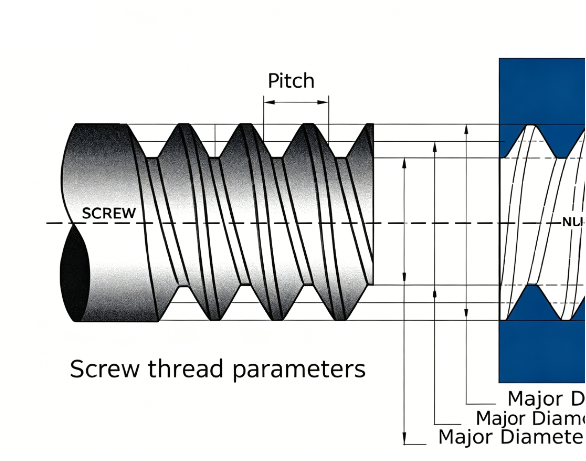
أكثر نقاط الفشل شيوعًا في شراء أدوات التثبيت المجلفنة بالغمس الساخن لمشاريع الطاقة الشمسية ليست سمك الطلاء، بل ملاءمة السن اللولبي.
تضيف طبقة من الزنك بسمك 65 ميكرومتر ما مجموعه 130 ميكرومتر إلى قطر المسمار. إذا قمت بإقران مسمار هيكلي قياسي مجلفن بالغمس الساخن مع صامولة ملولبة قياسية، فسوف ينغلقان جسديًا في موقع البناء. إجبارهما معًا بمفتاح ربط سيجرد طلاء الزنك، مما يدمر على الفور الحماية من الصدأ لمدة 25 عامًا.
لضمان التجميع السريع في الموقع، يجب إعادة توسيع الصواميل بعد عملية الجلفنة. تعمل أداة التوسيع كبيرة الحجم (عادةً +0.4 مم إلى +0.8 مم اعتمادًا على قطر السن اللولبي) على إزالة الزنك من السنون الداخلية للصامولة. عند التجميع، يوفر الزنك السميك على السنون الخارجية للمسمار حماية كاثودية للفولاذ العاري داخل الصامولة.
قاعدة الشراء: قم دائمًا بشراء براغي حوامل الطاقة الشمسية والصواميل الموسعة والغسالات كمجموعات كاملة ومختبرة مسبقًا من نفس الشركة المصنعة.
4. الدقة البعدية ومراقبة الجودة
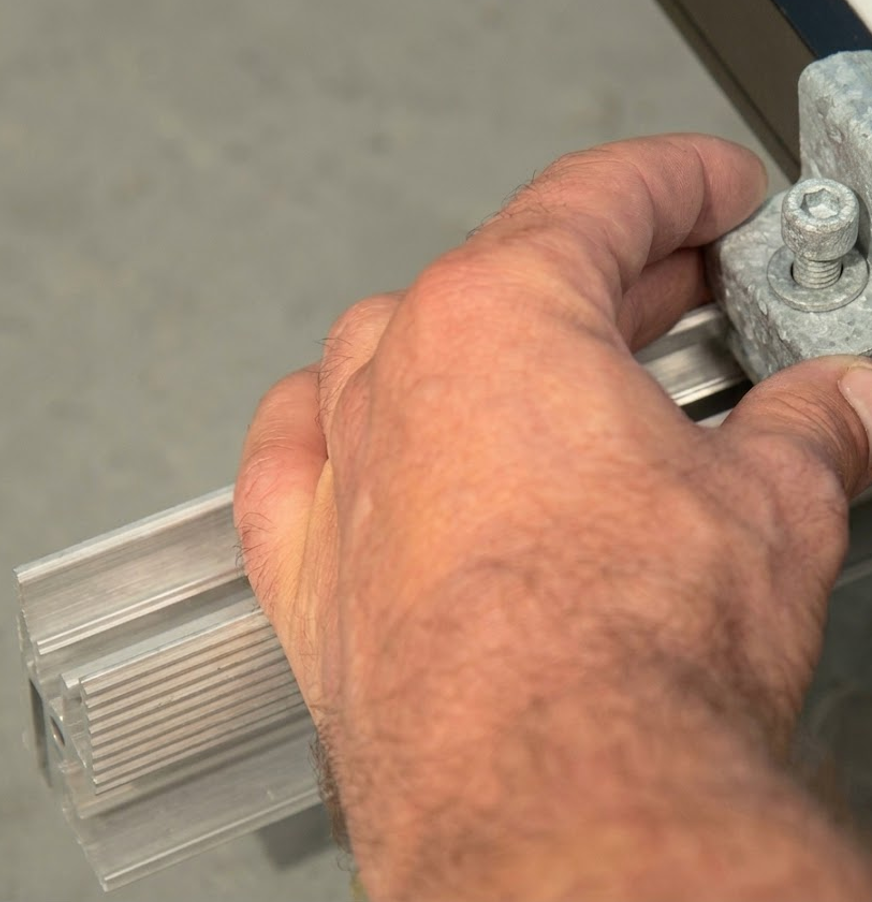
في مزارع الطاقة الشمسية واسعة النطاق التي تتطلب ملايين أدوات التثبيت، يعتبر عدم الدقة البعدية غير مقبول. قد يخترق المسمار الأطول بمقدار 2 مم إطار اللوح الشمسي؛ وقد تؤدي الصامولة ضعيفة السنون إلى إيقاف طاقم التثبيت بأكمله.
في شركة Hotop Fasteners، نتعامل مع أجهزة تثبيت الطاقة الشمسية بدقة بعدية صارمة. نحن نرفض عقلية "قريبة بما فيه الكفاية". يتم تنفيذ بروتوكولات مراقبة الجودة لدينا بدقة قبل مغادرة أي شحنة للمصنع:
- التحقق البعدي الصارم: نستخدم الفرجار الدقيق والميكرومترات لضمان أن الأبعاد الفيزيائية لكل أداة تثبيت - من ارتفاع الرأس إلى طول السن اللولبي - تطابق بدقة معايير DIN/ASTM الصناعية الدقيقة.
- اختبار مقياس القبول/الرفض: يقوم فنيو مراقبة الجودة الصينيون لدينا باختبار القدرة الدورانية للصواميل والبراغي المجلفنة بالغمس الساخن الموسعة على خط التجميع باستخدام مقاييس حلقية سنية معايرة. هذا يزيل أي تداخل في السنون ناتج عن تجمع الزنك.
- قياس الطلاء: باستخدام مقاييس السمك المغناطيسية الرقمية، نتحقق من أن طبقة سبيكة الزنك والحديد تلبي متطلبات الميكرون المحددة التي تمليها الفئة البيئية لمشروعك.
---
يتطلب تحقيق عمر افتراضي يبلغ 25 عامًا لنظام حوامل الطاقة الشمسية الاعتراف بالحقائق القاسية للتآكل البيئي. من خلال فرض معايير صارمة للجلفنة بالغمس الساخن (ASTM A153 / ISO 10684)، وحساب معدلات استنزاف الزنك المناسبة، وضمان الدقة المطلقة في توسيع السنون اللولبية، يمكن للفرق الهندسية القضاء على خطر الفشل الهيكلي.
Related News
Other news you might be interested in
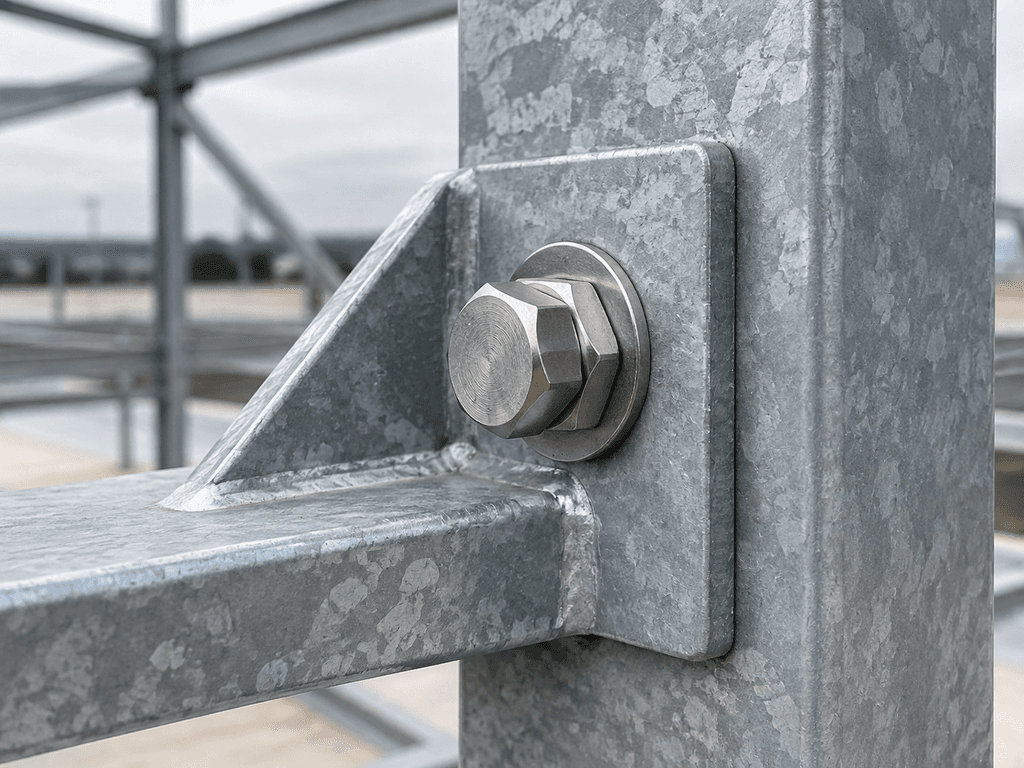
هل يمكن استخدام البراغي المصنوعة من الفولاذ المقاوم للصدأ مع الفولاذ المجلفن؟ دليل التآكل الجلفاني
هل يمكن استخدام البراغي المصنوعة من الفولاذ المقاوم للصدأ مع الفولاذ المجلفن؟ تعرف على كيفية حدوث التآكل الجلفاني، والظروف التي تزيد من المخاطر، وكيفية تحديد أدوات التثبيت المتوافقة للمشاريع الخارجية والساحلية.

قائمة مراجعة تقديم أدوات التثبيت: الرسومات، شهادة اختبار المواد، الطلاء والتغليف
استخدم قائمة مراجعة تقديم أدوات التثبيت هذه لمشاريع الأعمال الهيكلية الفولاذية. تعرف على ما يجب تأكيده قبل طلب المسامير، ومسامير التثبيت، والقضبان الملولبة، بما في ذلك الرسومات، وشهادة اختبار المواد، والطلاء، وملاءمة الخيوط، والتغليف، وملصقات الشحن.
Want to know more?
Get in touch with us for more information about our services and products.