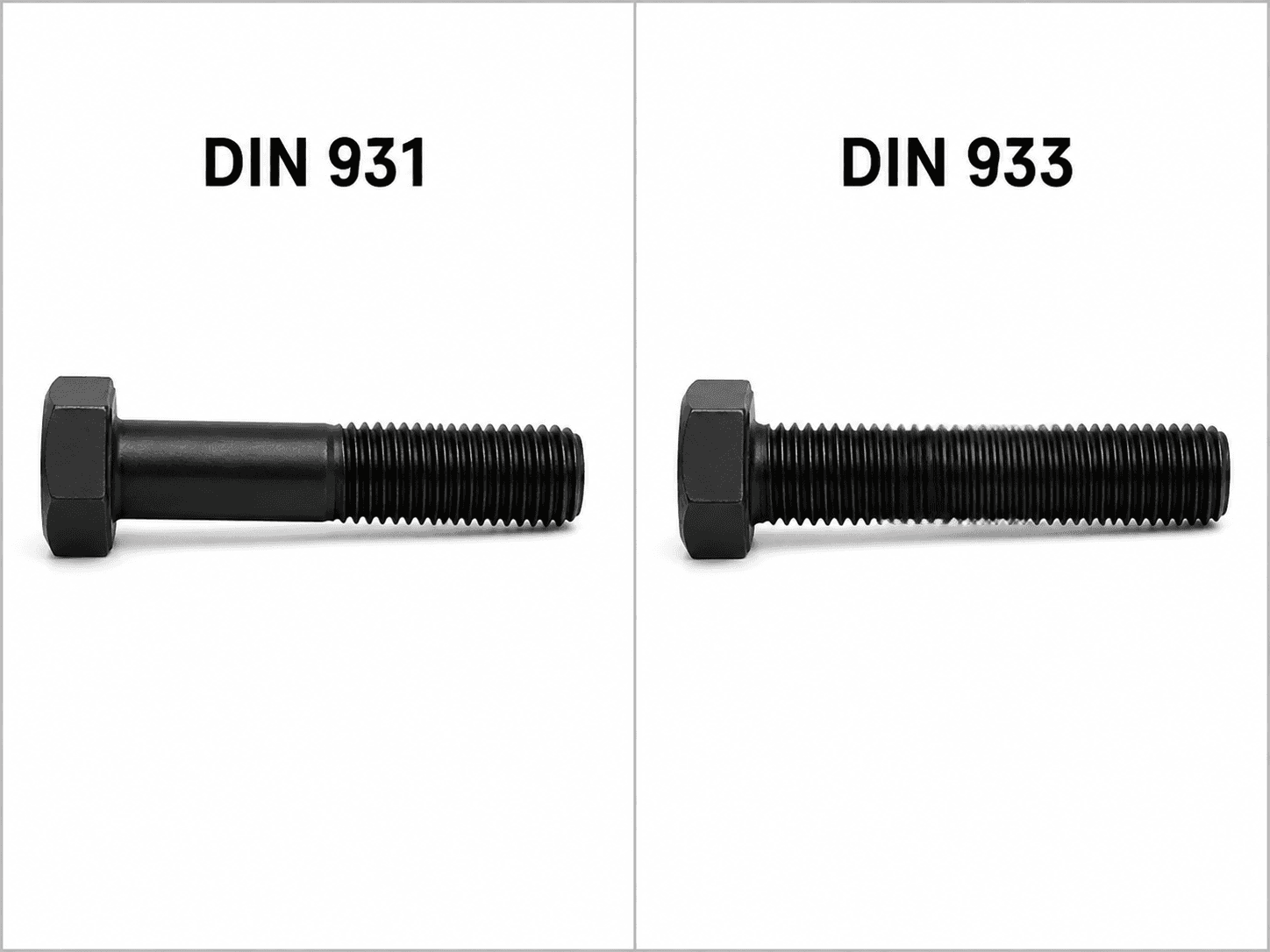
DIN 931 vs DIN 933 Hot Dip Galvanized Hex Bolts: Full Thread or Partial Thread?

Annie Z
AuthorWith over 25 years of experience in fastener production and export sales, we operate our own manufacturing plant and our products are exported to over 50 countries. We are professional experts in bolts, nuts, washers, anchor bolts, and customized fasteners.
DIN 931 and DIN 933 are two widely used metric hex head bolt standards for machinery, steel structures, equipment installation, construction, and general industrial fastening.
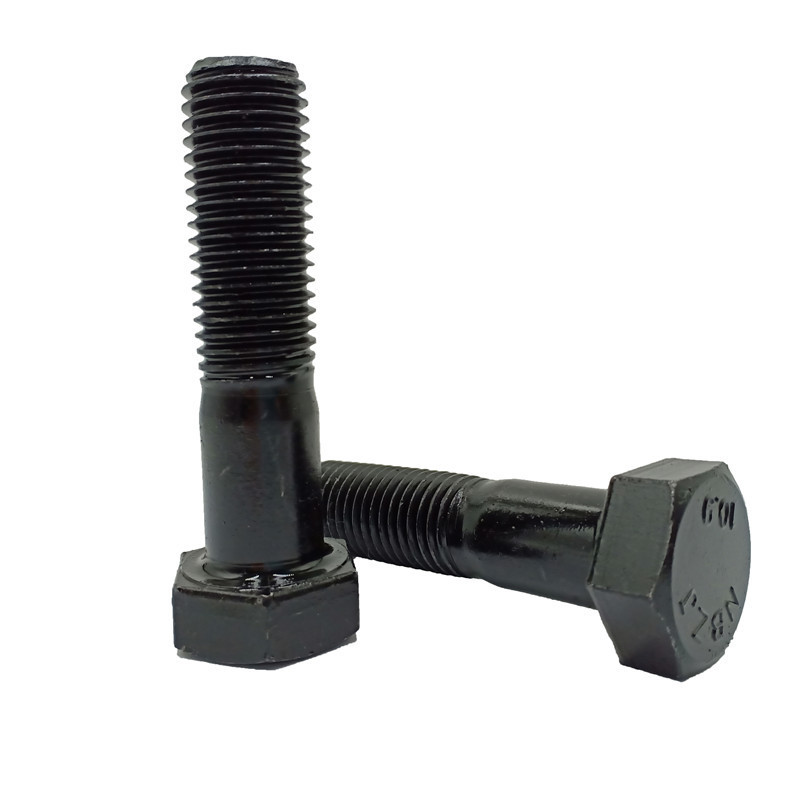
They have a similar hexagonal head design, but the main difference is the thread length:
This difference affects the way the bolt fits through the connected parts, how much adjustment is available during installation, and whether the threads are positioned inside the main connection area.
Choosing the correct bolt is not only a matter of selecting the right diameter and length. Buyers should also consider the connected material thickness, required grip length, bolt grade, surface finish, nut compatibility, and the requirements of the technical drawing.
What Is a DIN 931 Hex Bolt?
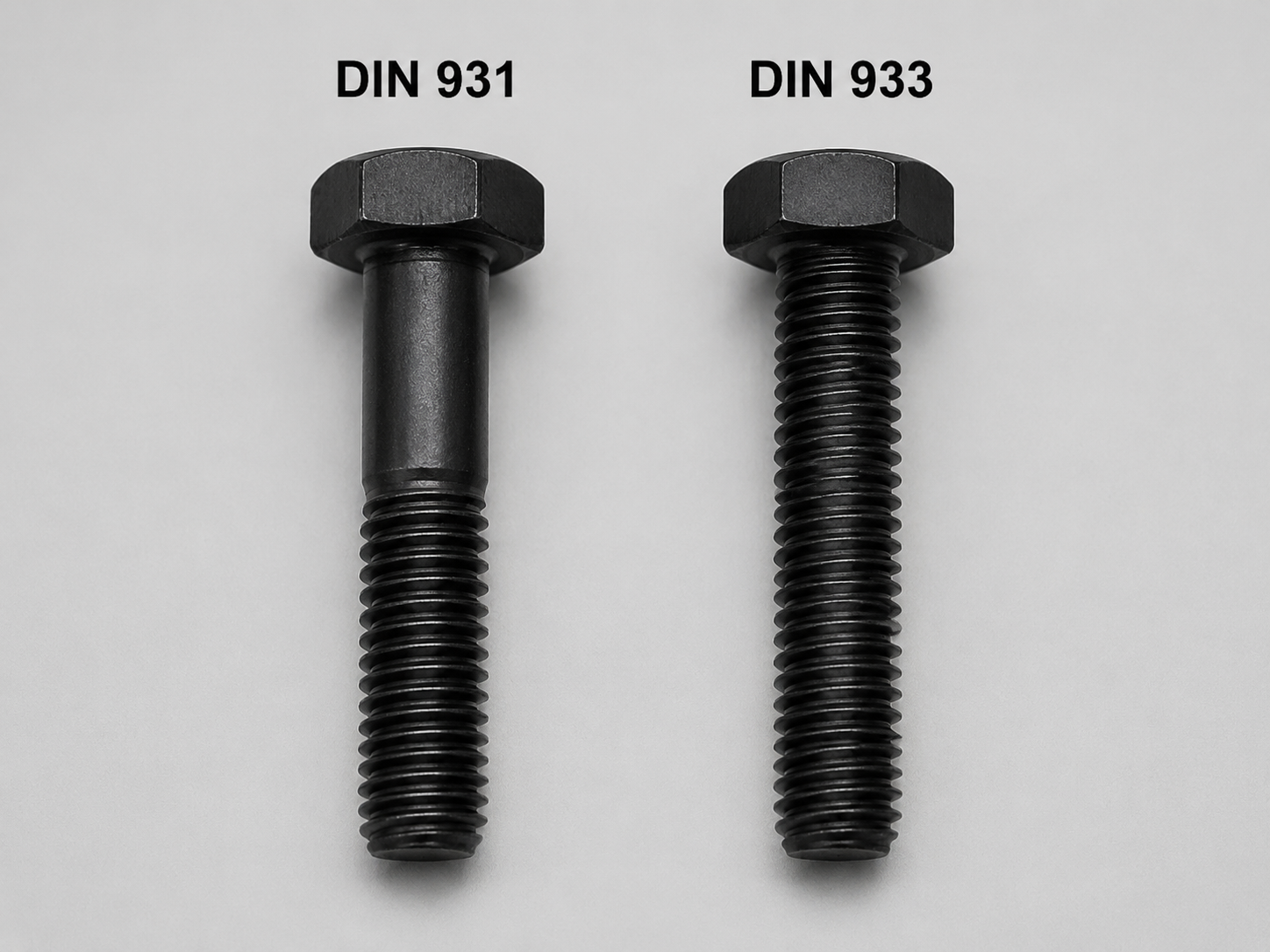
DIN 931 is a metric hexagon head bolt with a partially threaded shank. The section directly below the hexagonal head is smooth, while the remaining part of the shank has a metric thread.
The smooth section is commonly called the unthreaded shank or grip section. It passes through part of the connected materials, while the threaded section is used for nut engagement.
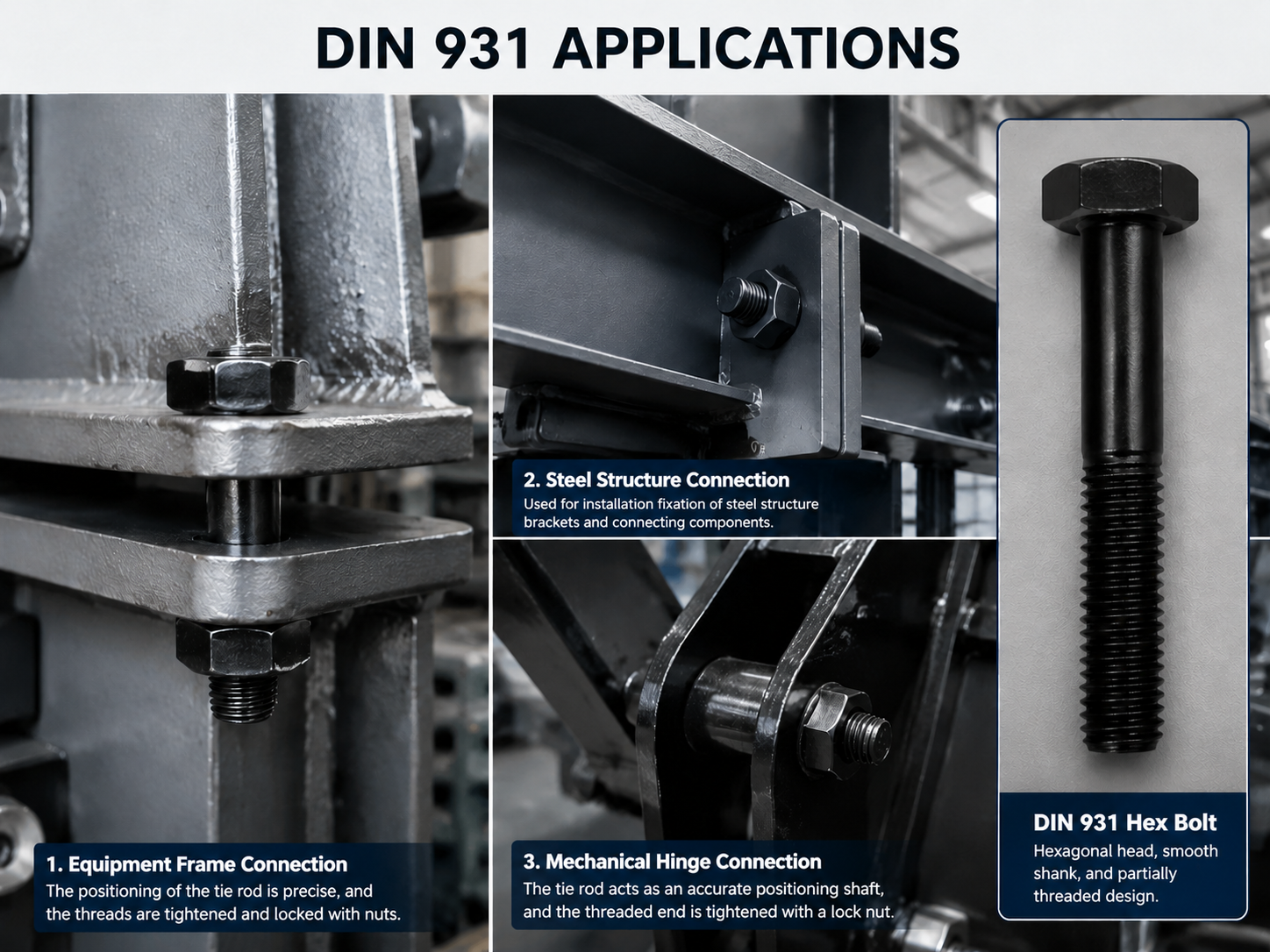
DIN 931 bolts are commonly considered for:
- Machinery frames
- Steel structure connections
- Equipment bases and supports
- Industrial brackets
- Mechanical assemblies with a fixed thickness
- Applications requiring a defined grip length
- Connections where the thread should not pass through the main joint area
The exact thread length of a DIN 931 bolt depends on the bolt diameter and nominal length. Therefore, buyers should not assume that two DIN 931 bolts with the same diameter will always have the same unthreaded section.
What Is a DIN 933 Hex Bolt?
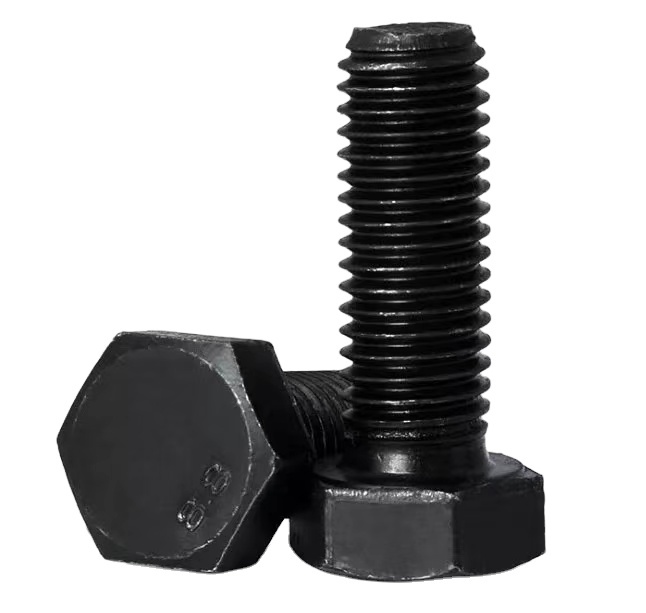
DIN 933 is a metric hexagon head bolt with a thread along almost the entire nominal length. This design is commonly described as a fully threaded hex bolt.
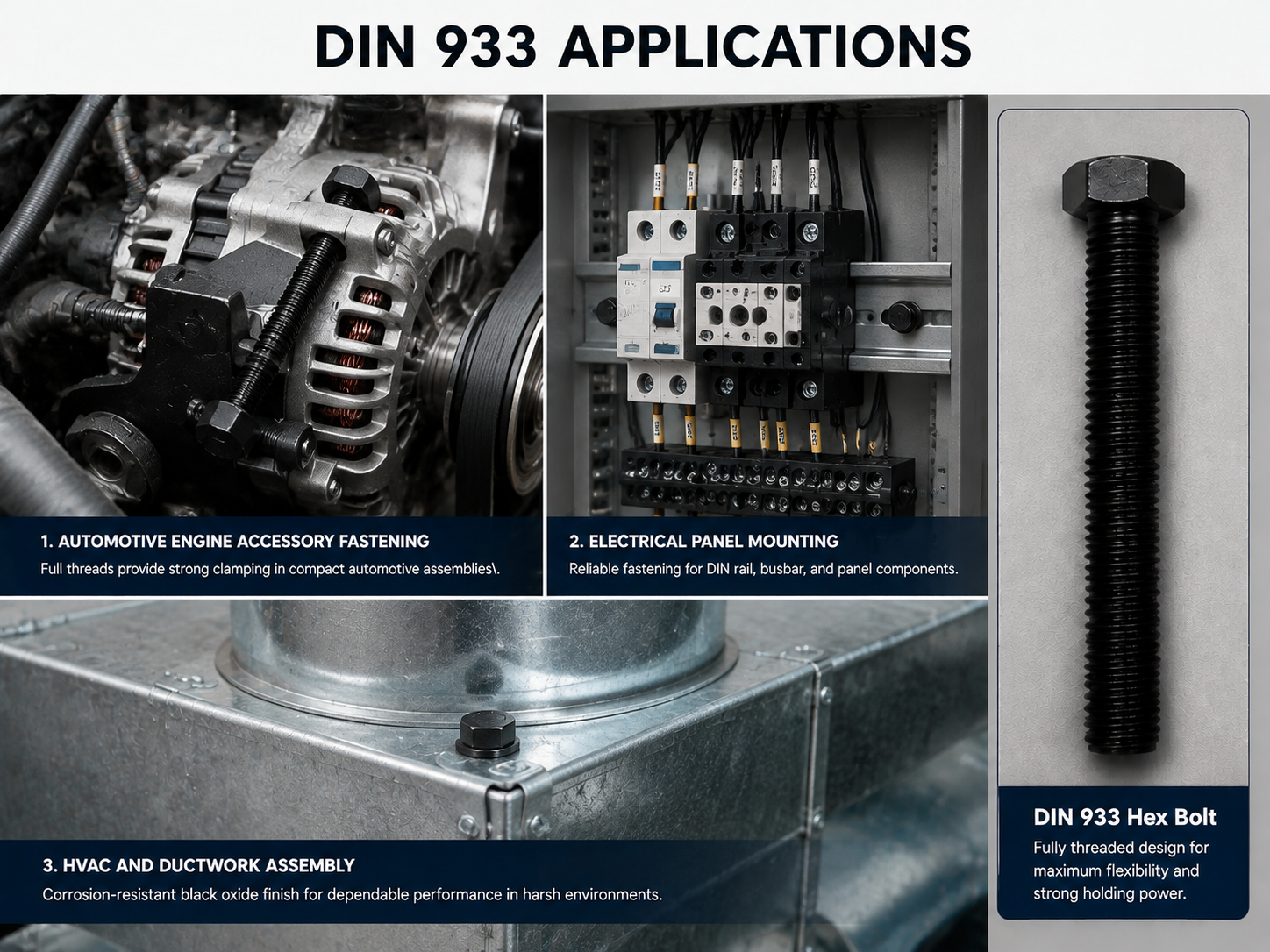
DIN 933 bolts may be suitable for:
- General machinery assembly
- Equipment covers
- Mounting brackets
- Thin plates and sheet metal
- Maintenance and repair work
- Connections with variable material thickness
- Standard hardware distribution
- Assemblies requiring more adjustment flexibility
Because the bolt is threaded along most of its length, the nut can be positioned at different points on the shank. This can be useful when the material thickness varies or when one bolt length is used for several similar assembly positions.
However, the fully threaded design also means that the threads may pass through the connection area. For high‑load or engineered joints, this should be checked against the project drawing or applicable design standard.
DIN 931 vs DIN 933: Main Differences
| Feature | DIN 931 | DIN 933 |
|---|---|---|
| Thread design | Partially threaded | Fully threaded |
| Unthreaded shank | Yes | No significant unthreaded shank |
| Common ISO equivalent | ISO 4014 | ISO 4017 |
| Main selection factor | Grip length and thread position | Overall length and continuous thread |
| Typical use | Machinery, steel structures, engineered joints | General assembly, maintenance, brackets |
| Installation flexibility | Limited by the thread position | Higher flexibility |
| Thread inside joint | Can often be avoided | May pass through the joint |
| Common materials | Carbon steel, alloy steel, stainless steel | Carbon steel, alloy steel, stainless steel |
The two standards are not automatically interchangeable. A DIN 931 bolt and a DIN 933 bolt with the same diameter and nominal length may have different thread positions inside the assembly.
When Should You Choose DIN 931?
DIN 931 is often the better choice when the connection requires a defined smooth grip section.
It may be appropriate when:
- The connected material thickness is fixed
- The bolt passes through several aligned parts
- The unthreaded shank is required inside the joint
- The drawing specifies a partially threaded bolt
- The assembly is exposed to repeated mechanical loading
- The connection requires controlled thread engagement
- The bolt is used in a structural or engineered assembly
For example, in a steel bracket connection, the designer may want the smooth shank to pass through the connected plates while the threaded section remains outside the main bearing area. In this case, a DIN 931 bolt may be more suitable than a fully threaded DIN 933 bolt.
The bolt must still be selected according to the actual joint design. A partially threaded bolt is not automatically suitable for every structural application.
When Should You Choose DIN 933?
DIN 933 is often a practical option when continuous threading and installation flexibility are important.
It may be considered for:
- Thin metal assemblies
- Equipment covers and guards
- General‑purpose machinery
- Repair and replacement work
- Brackets with different material thicknesses
- Standard hardware inventory
- Applications where the bolt position needs to be adjusted
For distributors and maintenance buyers, DIN 933 can be convenient because the continuous thread allows the same bolt length to work across several non‑critical applications.
However, it should not be selected only because it is easy to stock. If the connection is exposed to vibration, shear, movement, or high mechanical loads, the thread position should be reviewed before ordering.
For projects requiring corrosion resistance in outdoor or exposed steelwork, buyers can specify hot dip galvanized hex bolts. Our M16 hot dip galvanized DIN 931 / DIN 933 carbon steel hex bolts are available for applications where thread length, bolt strength and coating suitability need to be confirmed together.
How to Select the Correct Bolt Length
For hex head bolts, the nominal length is generally measured from the bearing surface under the head to the end of the bolt. The head height is not included in the stated bolt length.
A simple selection process is:
- Measure the total thickness of all connected materials.
- Add the thickness of the required washer or washers.
- Add the nut height.
- Allow enough thread projection beyond the nut.
- For DIN 931, check the position and length of the unthreaded shank.
- Confirm that the nut can fully engage with the thread.
For example, if the connected parts have a combined thickness of 30 mm, the washer is 3 mm thick, and the nut is 13 mm high, the bolt must be longer than 46 mm. Additional length is usually required to ensure complete thread engagement and a small amount of thread projection beyond the nut.
The final bolt length should be checked with the actual nut, washer, material thickness, and installation method. Selecting a bolt based only on diameter may result in insufficient thread engagement or an unsuitable grip length.
Material, Strength Grade, and Surface Finish
DIN 931 and DIN 933 bolts are available in different material and finish options.
Common choices include:
- Carbon steel
- Alloy steel
- Stainless steel
- Grade 4.8
- Grade 6.8
- Grade 8.8
- Grade 10.9
- Grade 12.9
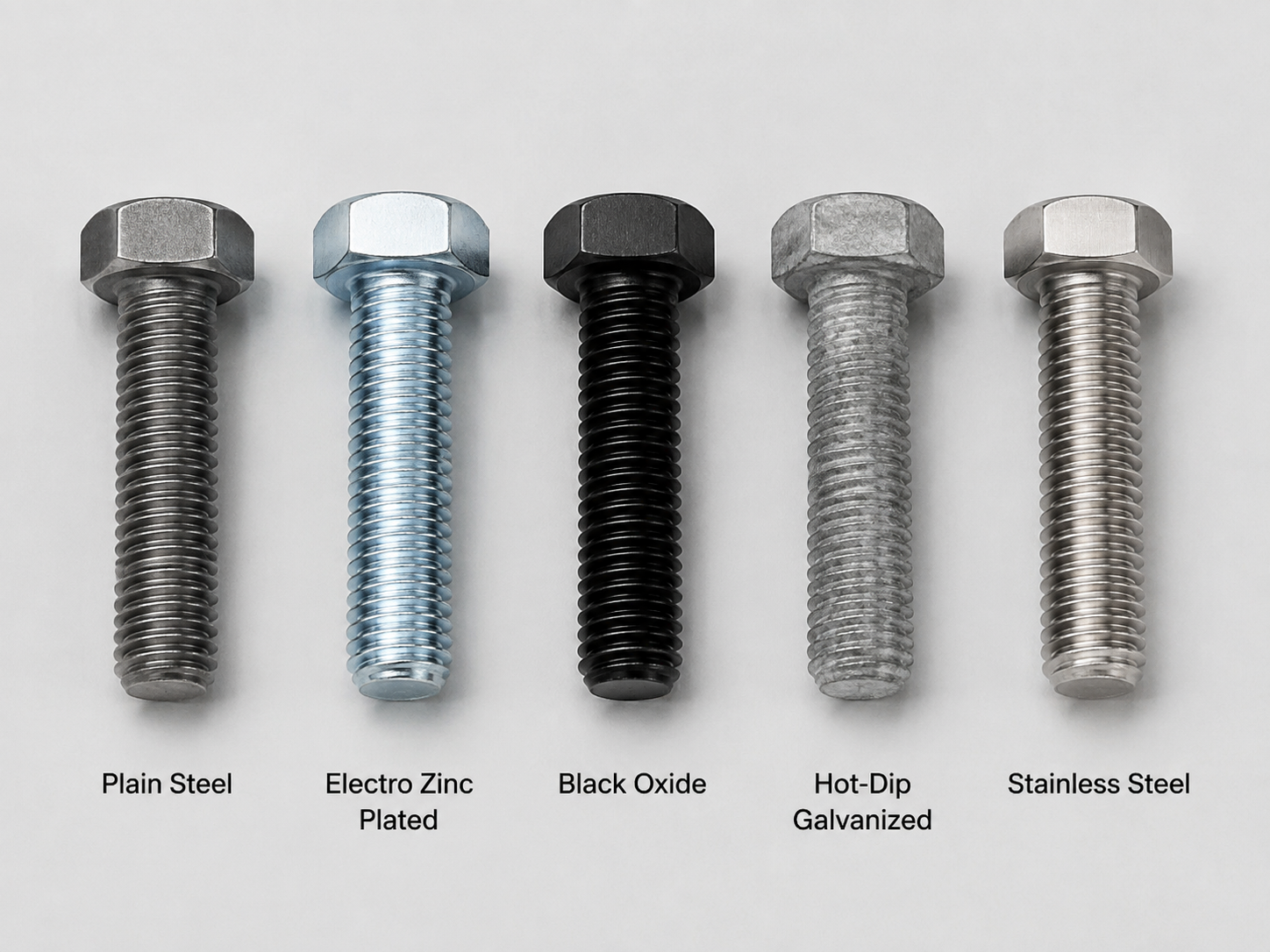
- Plain finish
- Zinc‑plated finish
- Black oxide or black finish
- Hot‑dip galvanized finish
The strength grade and surface finish serve different purposes. The strength grade relates to the mechanical performance of the bolt, while the surface finish mainly affects corrosion protection and appearance.
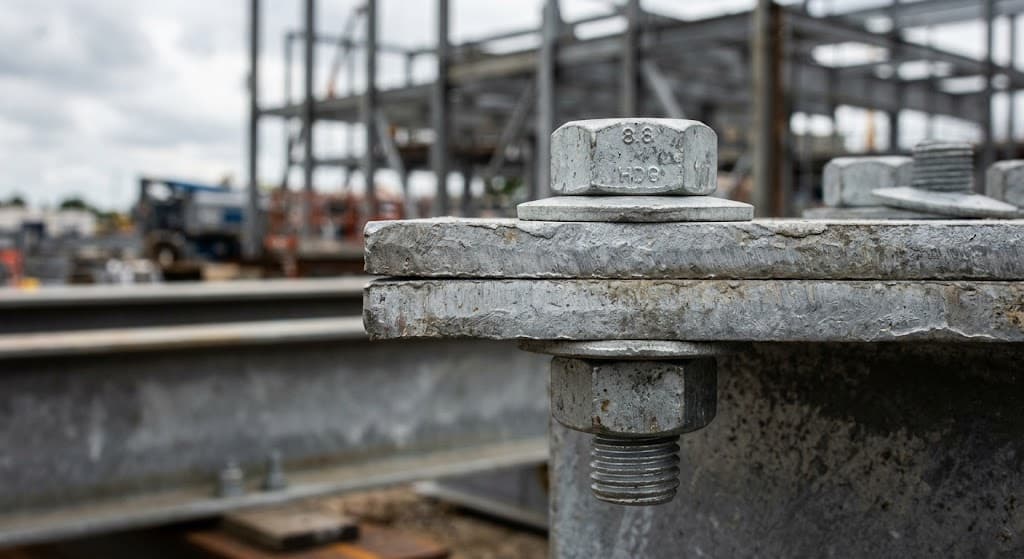
For outdoor steel structures, agricultural equipment, power projects, and other exposed applications, hot‑dip galvanized carbon steel bolts may be considered when corrosion protection is required.
For indoor machinery and general assembly, zinc‑plated or black‑finished bolts may be suitable depending on the operating environment. Stainless steel options such as SS304 or SS316 may be considered where material corrosion resistance is a priority.
Nuts and washers should be selected as compatible components. Buyers should confirm the thread diameter, thread pitch, nut grade, washer dimensions, and surface finish before placing a bulk order.
What Should Buyers Include in an RFQ?
To receive an accurate quotation for DIN 931 or DIN 933 hex bolts, buyers should provide:
| Required Information | Example |
|---|---|
| Bolt standard | DIN 931 or DIN 933 |
| Diameter | M8, M10, M12, M16, M20 |
| Length | 40 mm, 60 mm, 100 mm |
| Thread pitch | Standard metric or specified fine pitch |
| Strength grade | 4.8, 8.8, 10.9, 12.9 |
| Material | Carbon steel, alloy steel, SS304, SS316 |
| Surface finish | Plain, zinc plated, black, HDG |
| Matching components | Hex nut, flange nut, flat washer |
| Quantity | Project quantity or bulk order |
| Documents | Inspection report or material certificate |
If the required thread length is uncertain, the buyer can provide the total connected thickness, a previous purchase specification, a sample, or a technical drawing.
Frequently Asked Questions
1.Is DIN 931 fully threaded?
No. DIN 931 is generally a partially threaded hex head bolt with a smooth section below the head.
2.Is DIN 933 partially threaded?
No. DIN 933 is generally a fully threaded hex head bolt with a thread along almost the entire nominal length.
3.Which one is stronger, DIN 931 or DIN 933?
Neither is automatically stronger based only on the thread design. Strength depends on the material, strength grade, diameter, manufacturing quality, and application design.
4.Can DIN 931 replace DIN 933?
Not always. The replacement should be checked for grip length, thread position, nut engagement, strength grade, and the requirements of the assembly.
5.Can DIN 931 and DIN 933 use the same nut?
When the diameter and thread pitch are the same, they can often use the same matching nut. The nut grade and surface finish should still be confirmed for the application.
---
Before ordering, also review how to check thread fit for galvanized bolts on site.
Related News
Other news you might be interested in
How to Select Hot Dip Galvanized Washers for Steel Structures
Learn how to select hot dip galvanized flat, square and beveled washers for steel structures. Compare washer functions, bolt compatibility, corrosion protection and RFQ requirements.
Can Stainless Steel Bolts Be Used with Galvanized Steel? Galvanic Corrosion Guide
Can stainless steel bolts be used with galvanized steel? Learn how galvanic corrosion occurs, which conditions increase risk, and how to specify compatible fasteners for outdoor and coastal projects.
Want to know more?
Get in touch with us for more information about our services and products.