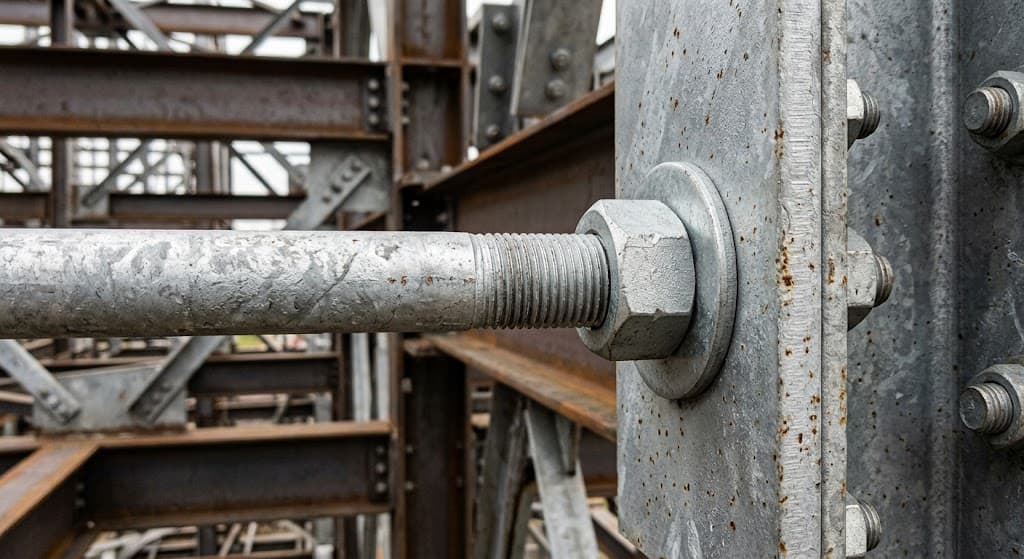
How to Specify Hot Dip Galvanized Tie Rods for Steel Bracing: Diameter, Thread Length and RFQ Checklist

Annie Z
AuthorWith over 25 years of experience in fastener production and export sales, we operate our own manufacturing plant and our products are exported to over 50 countries. We are professional experts in bolts, nuts, washers, anchor bolts, and customized fasteners.
Tie rods are used in steel structures where a connection needs to resist tension, support bracing arrangements or help stabilize a fabricated assembly. They may be found in structural bracing systems, industrial frames, equipment supports, outdoor steelwork, utility structures and other tension-member applications.
For outdoor or exposed steel structures, hot dip galvanized tie rods are often selected as part of a corrosion-protection system. However, buyers should not request only "galvanized tie rods" without defining the actual connection requirements. The rod diameter, overall length, threaded length, material requirement, matching components and installation environment all affect the final specification.
This guide explains how buyers can specify hot dip galvanized tie rods for steel bracing projects and what information should be included in an RFQ.
What Is a Tie Rod in a Steel Structure?
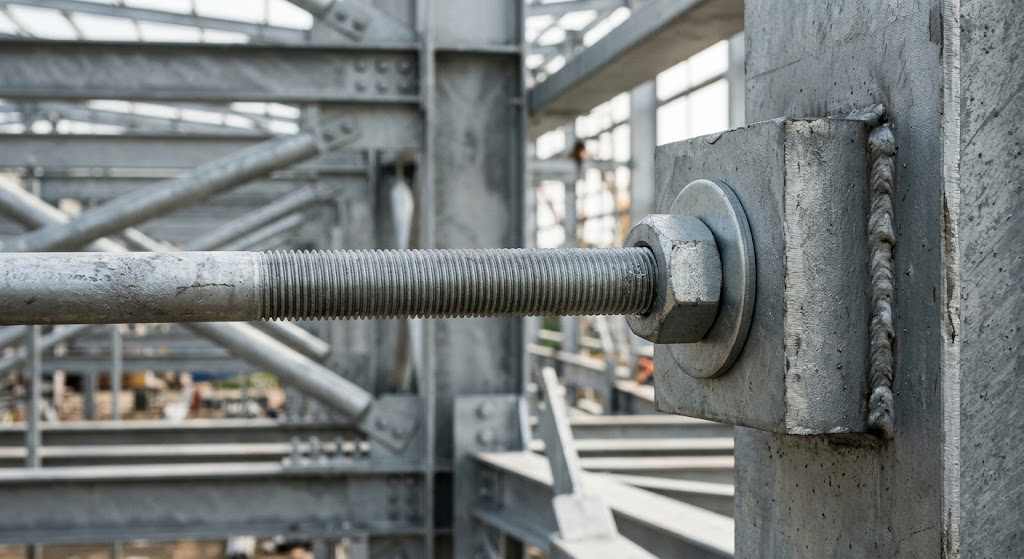
A tie rod is a tension member used to connect, support or stabilize structural components. Unlike a standard short bolt, a tie rod is commonly selected when a longer threaded connection or a tension-bracing arrangement is required.
Tie rods may be used in:
- Steel frame bracing
- Cross-bracing systems
- Outdoor support structures
- Equipment support frames
- Fabricated steel assemblies
- Building and warehouse steelwork
- Pipe support structures
- Utility and infrastructure steel components
- Custom tension connections based on drawings
The exact form of the tie rod depends on the project. Some applications use a straight threaded rod with matching nuts. Other applications may require custom lengths, connection plates, special threads or complete fastening assemblies.
Tie Rods, Threaded Rods and Bolts: What Is the Difference?
Tie rods, threaded rods and bolts may all be used in steel structures, but they serve different connection needs.
| Product Type | General Form | Typical Use | Key Purchasing Information |
|---|---|---|---|
| Hex bolt | Headed fastener with a defined length | Joining plates, brackets and structural components | Diameter, length, grade, thread type and finish |
| Threaded rod | Straight bar with continuous or long threaded sections | Adjustable fastening, hangers, support systems and assemblies | Diameter, total length, thread form, finish and cut length |
| Tie rod | Tension-oriented rod used in bracing or structural connections | Steel bracing, tension members and project-specific assemblies | Diameter, overall length, effective thread length, connection detail and finish |
A tie rod may use a threaded form, but its selection should focus on the complete tension connection rather than only the rod itself.
For longer threaded fastening and project supply requirements, view our hot dip galvanized threaded rods and studs category.
Why Hot Dip Galvanizing Is Used for Tie Rods
Steel bracing and tension assemblies may be installed in outdoor or exposed environments. Rainwater, humidity, industrial pollution, coastal air and repeated wet-dry cycles can affect unprotected steel components over time.
Hot dip galvanizing adds a zinc coating to the steel surface and is commonly specified for corrosion protection in exposed steelwork applications. For a tie rod assembly, the corrosion-protection requirement should consider the rod, nuts, washers and connected steel structure together.
A complete project specification may include:
- Required tie rod material
- Required surface finish
- Galvanizing requirement
- Applicable coating standard or project requirement
- Matching nut and washer arrangement
- Required corrosion environment
- Inspection or documentation requirement
- Packaging and shipment requirement
The selected finish should match the expected installation environment and the project's intended service conditions.
Key Dimensions Buyers Should Specify
Tie rod quotations become more accurate when buyers provide the full dimensional requirement instead of only a nominal diameter.
| Specification Item | Why It Matters |
|---|---|
| Diameter | Determines the required rod size for the connection design |
| Overall length | Defines the full required rod length from end to end |
| Effective thread length | Identifies how much usable threaded area is needed for assembly |
| Thread type | Ensures compatibility with matching nuts and related components |
| End condition | Clarifies whether the rod needs plain ends, threaded ends or another specified form |
| Material requirement | Helps define the required steel grade or project material requirement |
| Surface finish | Identifies whether hot dip galvanizing or another finish is required |
| Matching components | Confirms whether nuts, washers or other connection parts are included |
| Quantity | Supports production, packing and shipment planning |
| Drawing or connection detail | Clarifies the actual structural arrangement and special requirements |
When a tie rod is used for a custom steel bracing arrangement, the drawing is often the most useful document. It can show the rod position, connected plates, nuts, washers, thread engagement area and required overall assembly length.
Understanding Overall Length and Effective Thread Length
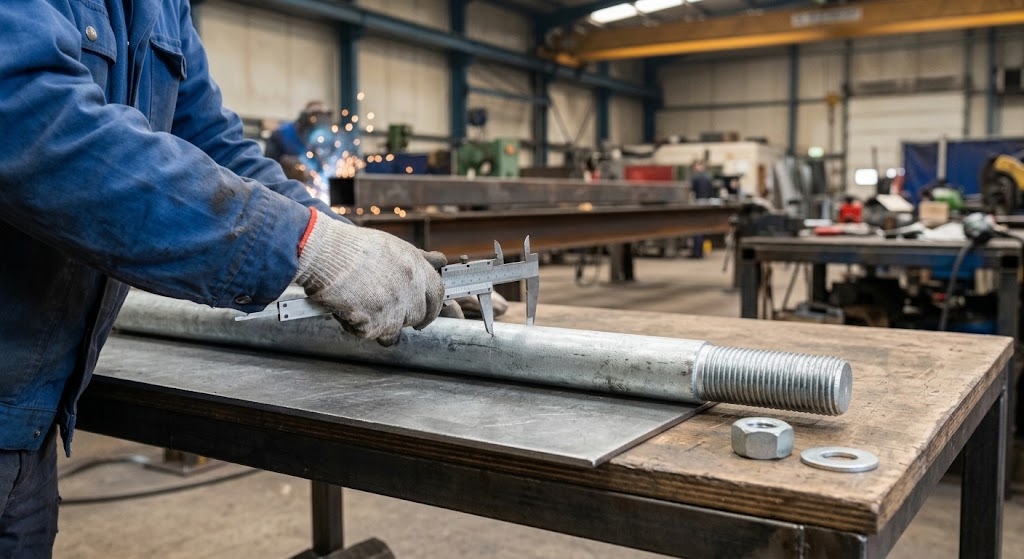
Overall length and effective thread length are not the same.
The overall length is the full length of the tie rod. Effective thread length is the portion of thread available for assembly with nuts or other threaded components.
A buyer may need to specify:
text Tie rod diameter:
Overall length:
Thread length at each end:
Thread type: Required nut and washer arrangement:
Hot dip galvanizing requirement:
Quantity:
For example, a steel bracing connection may require enough thread length to allow adjustment, nut installation and washer placement. If the thread is too short, the connection may not assemble as intended. If the required thread length is not stated in the RFQ, the supplier may not understand the full installation requirement.
Matching Nuts and Washers for Tie Rod Assemblies
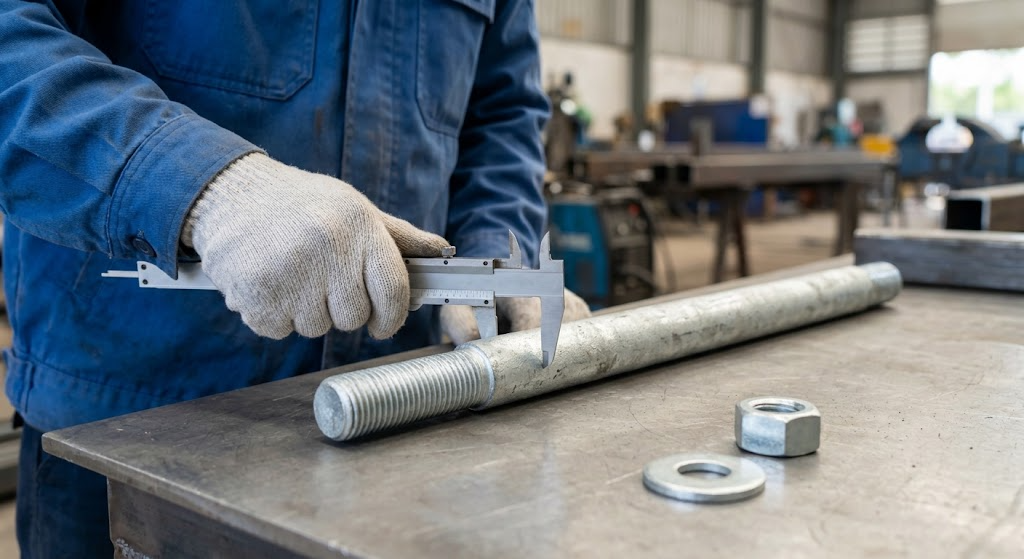
Tie rods are normally part of a complete connection. Buyers should consider the matching nut, washer and connection plate arrangement when preparing an inquiry.
The washer type can affect bearing area and support under the nut or bolt head. In steel structure connections, the drawing may specify flat washers, square washers, beveled washers or another required washer form.
For washer selection in galvanized steel assemblies, read How to Select Hot Dip Galvanized Washers for Steel Structures: Flat, Square and Beveled Types.
The RFQ should clarify whether matching components are included: Tie rods only or Tie rods with matching nuts and washers or Complete tie rod assembly according to project drawing
This distinction helps prevent incomplete quotations and makes it easier to compare supplier offers.
Tie Rod Applications in Steel Bracing
Tie rods may be used in many different steelwork arrangements. The required dimensions and finish can vary depending on the connection location and project environment.
| Application | Common Tie Rod Consideration |
|---|---|
| Steel frame bracing | Diameter, overall length and connection plate detail |
| Outdoor support structure | Hot dip galvanizing and matching corrosion-resistant components |
| Industrial equipment support | Alignment, threaded engagement and nut arrangement |
| Cross-bracing assembly | Tension connection detail and rod length |
| Fabricated steel frame | Custom dimensions based on drawing |
| Utility structure | Exposure environment, coating requirement and project documentation |
| Warehouse or building steelwork | Connection design, fastening components and installation detail |
The tie rod itself should be selected as part of the full structural connection. The project drawing, design load and installation arrangement determine the appropriate dimensions and assembly requirements.
Common RFQ Mistakes to Avoid
| Common Mistake | Possible Result |
|---|---|
| Requesting only "galvanized tie rods" | The supplier lacks the information needed to quote the correct product |
| Providing diameter but not overall length | The rod may not match the installation requirement |
| Omitting effective thread length | Nut engagement and assembly adjustment may be insufficient |
| Not specifying matching components | Nuts and washers may be excluded from the quotation |
| Not providing a connection drawing | Custom end details and assembly requirements may be unclear |
| Mixing finishes in an exposed assembly | Corrosion protection may be inconsistent |
| Omitting the installation environment | The required coating and packaging may not match the project |
| Treating a tie rod as a standard bolt | The tension connection detail may be overlooked |
Frequently Asked Questions
1.Are tie rods and threaded rods the same product?
They can use similar threaded forms, but their intended application may differ. A tie rod is commonly specified as part of a tension or bracing connection, while threaded rods are also used in adjustable supports, hangers and general fastening applications.
2.Can hot dip galvanized tie rods be used outdoors?
Hot dip galvanized tie rods are commonly selected for outdoor steelwork where corrosion protection is required. The required coating system should match the project environment and specification.
3.Should nuts and washers be ordered with the tie rods?
For project-based steel bracing assemblies, buyers should clarify whether matching nuts and washers are required. This helps ensure that the complete fastening arrangement is included in the quotation.
4.What drawing information is most useful for a tie rod quotation?
A drawing should show the tie rod location, required diameter, overall length, thread length, connection plates, nut and washer arrangement, material requirement and surface finish.
---
Related News
Other news you might be interested in
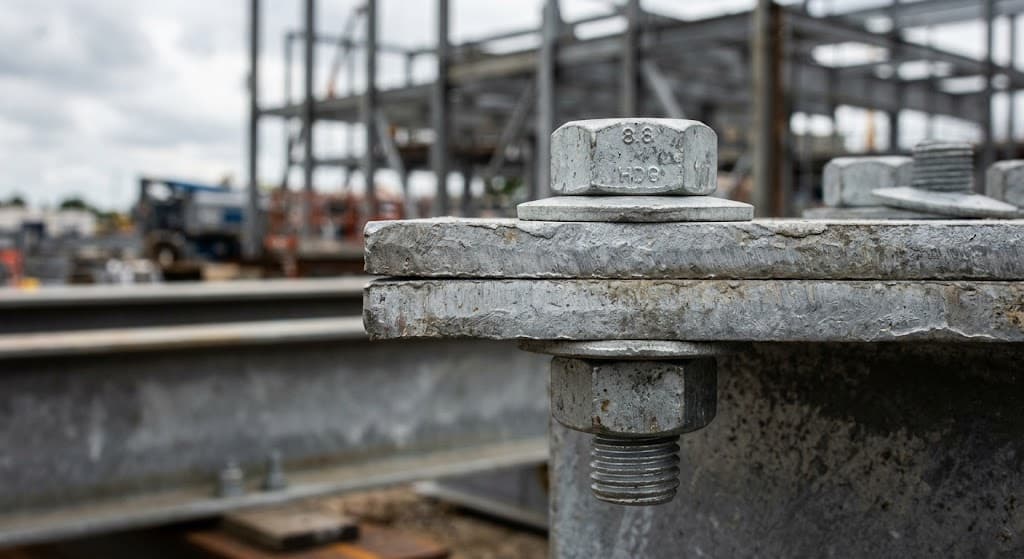
How to Select Hot Dip Galvanized Washers for Steel Structures
Learn how to select hot dip galvanized flat, square and beveled washers for steel structures. Compare washer functions, bolt compatibility, corrosion protection and RFQ requirements.
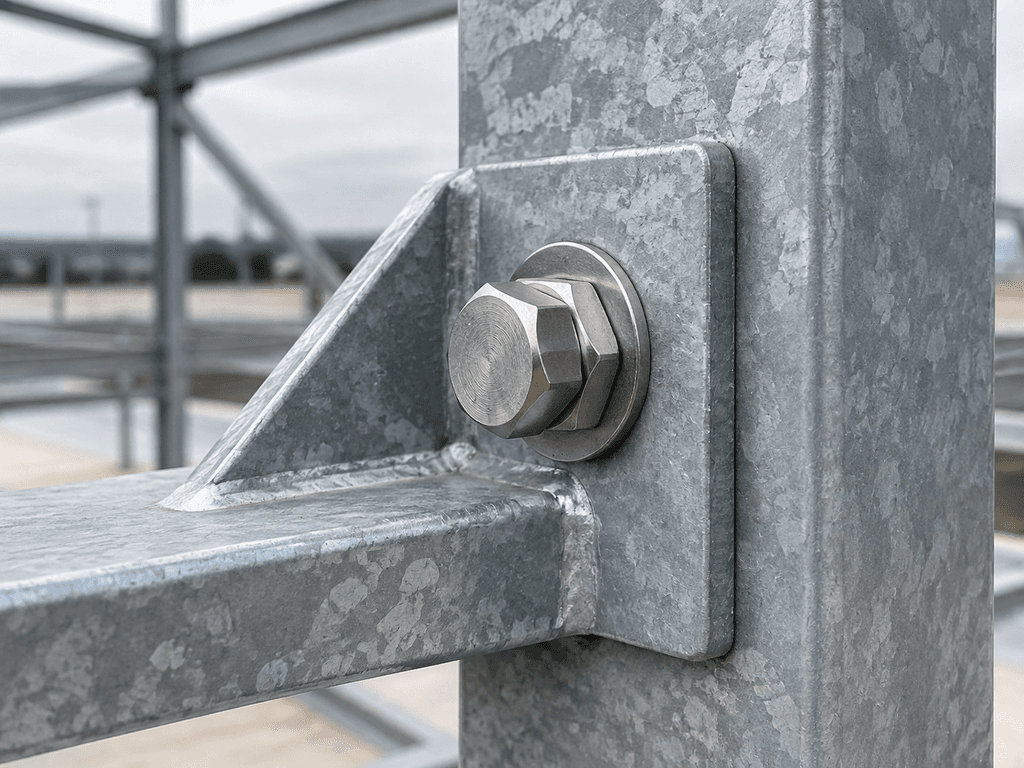
Can Stainless Steel Bolts Be Used with Galvanized Steel? Galvanic Corrosion Guide
Can stainless steel bolts be used with galvanized steel? Learn how galvanic corrosion occurs, which conditions increase risk, and how to specify compatible fasteners for outdoor and coastal projects.
Want to know more?
Get in touch with us for more information about our services and products.