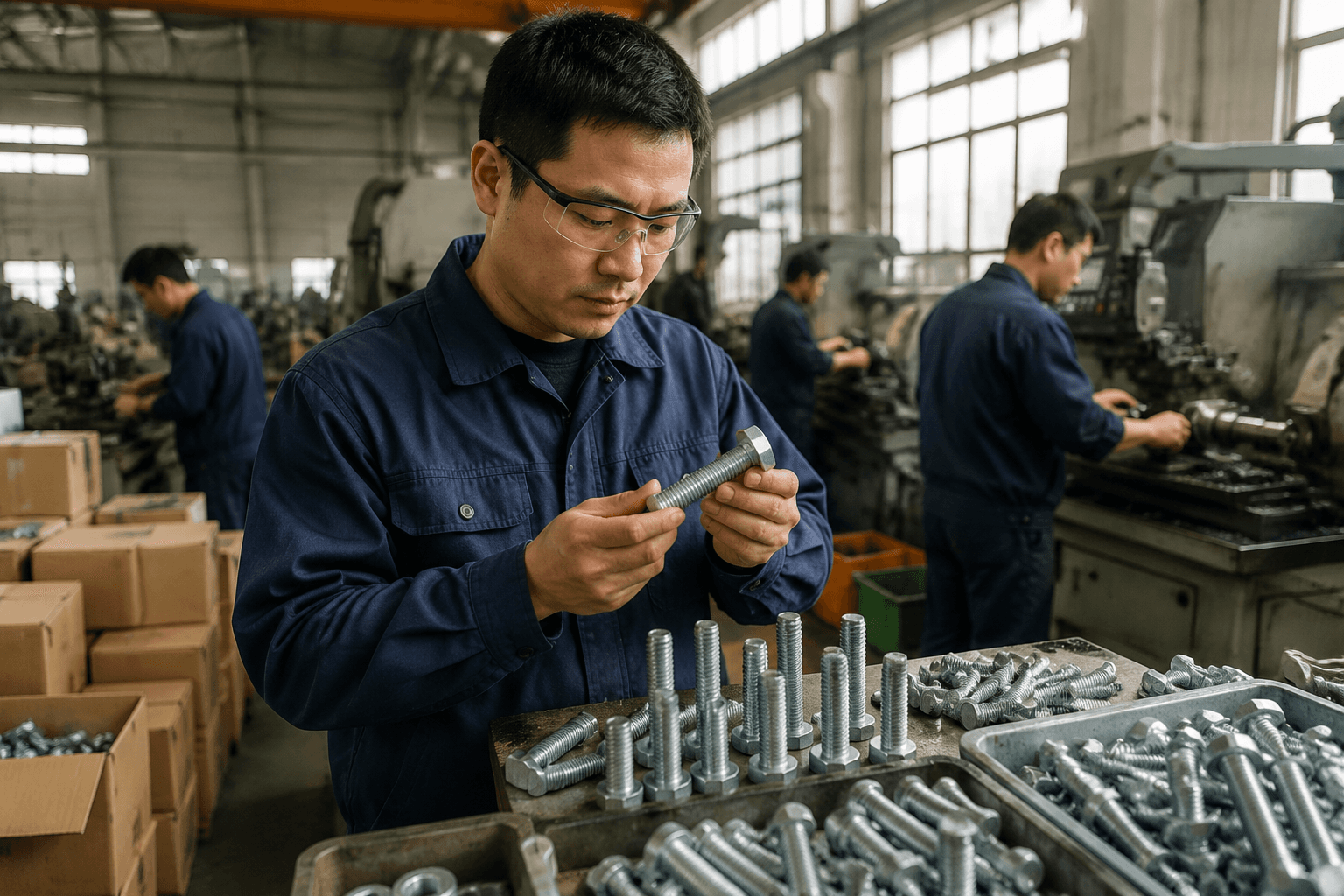
Industrial Fastener Sourcing: A Strategic Guide for Global B2B Buyers

Annie Z
AuthorWith over 25 years of experience in fastener production and export sales, we operate our own manufacturing plant and our products are exported to over 50 countries. We are professional experts in bolts, nuts, washers, anchor bolts, and customized fasteners.
Introduction: Navigating the Global Industrial Fasteners Market
The global industrial fasteners market, currently valued at $30.9 billion, continues its steady expansion with projections indicating sustained growth through 2034. For procurement teams managing industrial procurement across borders, this growth brings both opportunity and complexity. Raw material price volatility, persistent supply chain disruptions, and increasingly stringent quality demands have transformed fastener sourcing from a commodity transaction into a strategic function. Every threaded fastener that enters your assembly line directly impacts operational efficiency, product safety, and total cost of ownership. Selecting a capable fastener supplier is not merely a purchasing decision—it is an engineering and risk management decision. This guide distills decades of sourcing expertise into actionable insights for B2B buyers sourcing standard and custom manufacturing fasteners globally.
Decoding Fastener Specifications: Standards, Grades, and Materials
Global sourcing demands fluency in multiple standards. DIN, ISO, EN, and GB specifications each define dimensional tolerances, thread profiles, and mechanical properties differently. A hex bolt manufactured to DIN 931 may not be interchangeable with one produced under ISO 4014 in all applications—subtle differences in head height or thread run-out can create assembly issues. Procurement professionals must specify the correct standard for each application and verify supplier capability against that standard before issuing a purchase order.
Material selection forms the foundation of fastener performance. Carbon steel fasteners provide cost-effective strength for general-purpose applications, while alloy steel delivers higher tensile and yield strength for demanding machinery fasteners. Stainless steel grades such as A2 and A4 offer corrosion resistance for chemical and marine environments. High-strength grades—particularly 10.9 and 12.9—are essential for heavy-duty machinery and structural applications where bolt failure is not an option. Global demand for Class 12.9 fasteners continues to rise, driven by construction equipment, automotive powertrains, and wind energy installations requiring high clamp loads in compact joint designs.
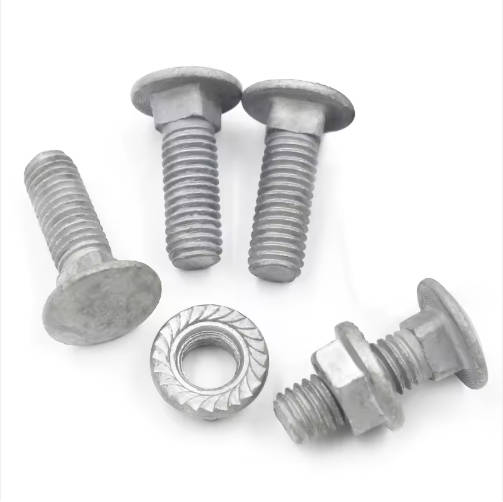
Product categories span a broad range: hex bolts (DIN 931 and DIN 933) with full-thread or half-thread configurations, threaded rods for tension applications, carriage bolts for wood-to-metal connections, and anchor bolts for concrete embedment. A representative product is the 12.9 Grade Black Zinc Plated Hex Head Bolt, available in both full-thread and half-thread variants, purpose-built for automotive drivetrain assemblies and heavy construction equipment where tensile strength and fatigue resistance are non-negotiable.
Quality Assurance: Certifications, Testing, and Traceability
ISO 9001 certification establishes the baseline for any global fastener supplier worth considering. It signals that the manufacturer operates under a documented quality management system with continuous improvement protocols. However, certification alone is insufficient. Buyers in critical industries require documented evidence of material and mechanical compliance. A Material Test Certificate (MTC) conforming to EN 10204 3.1 verifies that the supplied batch meets specified chemical composition and mechanical properties—an indispensable document for engineering fasteners used in pressure vessels, lifting equipment, or structural steelwork. Suppliers with robust ISO 9001 certification integrate these documentation processes directly into their production workflow rather than treating them as afterthoughts.
Laboratory testing translates specifications into verified performance. Tensile testing measures ultimate tensile strength and yield strength, confirming that industrial bolts meet their designated grade. Salt spray testing evaluates coating durability by exposing fasteners to controlled corrosive environments—critical for validating surface treatments before deployment in outdoor or marine applications. Hardness verification using Rockwell or Vickers methods ensures consistent heat treatment across production lots. Advanced metrology laboratories equipped with optical measurement systems and 3D inspection tools add another layer of dimensional confidence, catching deviations that conventional gauges might miss. Traceability from raw material batch to finished product reduces risk in critical applications, enabling rapid containment if a quality issue emerges downstream.
Surface Finishing and Coatings: Protecting Fasteners for Any Environment
Surface finishing transforms a bare cold forged fastener into an engineered component capable of withstanding harsh operating conditions. The portfolio of available coatings has expanded significantly: traditional zinc plating, hot-dip galvanizing (HDG), advanced zinc-nickel coating, PTFE coating, and titanium carbonitride (TiCN) each serve distinct performance profiles. The industry trend toward zinc-nickel coating reflects its superior salt spray resistance—often exceeding 1,000 hours to red rust—making it a preferred choice for automotive underbody and engine compartment fasteners where traditional zinc falls short. Nickel plating provides both corrosion protection and aesthetic appeal for visible fasteners in consumer-facing equipment.
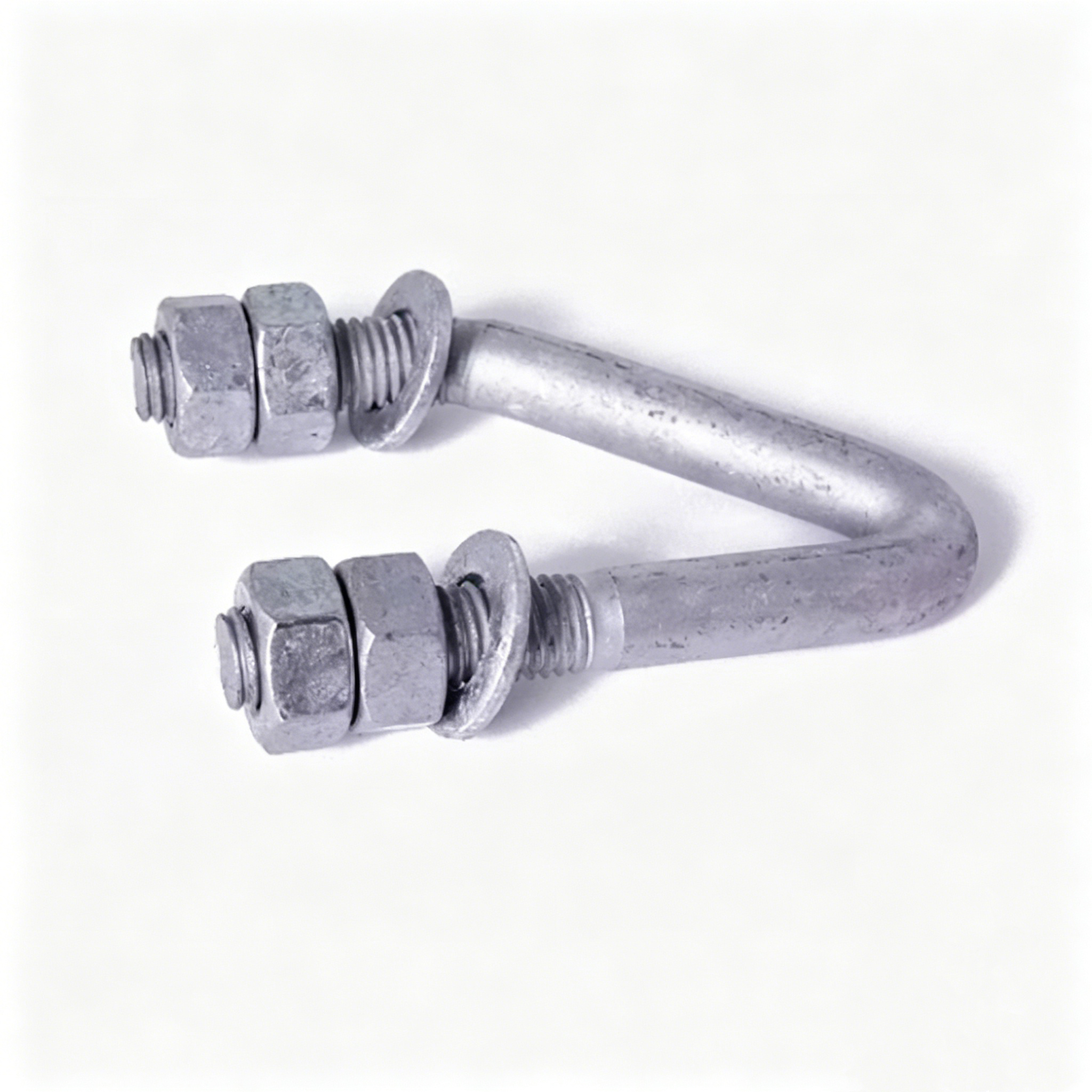
Black zinc plating delivers enhanced salt spray performance compared to standard clear zinc, meeting the durability expectations of automotive and industrial OEMs. Hot-dip galvanized (HDG) fasteners, with their thick bonded zinc layer, remain the definitive choice for outdoor infrastructure—transmission towers, bridge construction, guardrail systems—where decades of corrosion resistance are required without maintenance access. When specifying a coating, procurement teams must evaluate environmental exposure, potential for galvanic corrosion with mating materials, and the coating's effect on assembly torque. Surface finishing directly influences the friction coefficient and therefore the achievable preload in high-strength bolted connections. Representative products such as Hot Dip Galvanized U-Bolts and V-Bolts, along with HDG Round Head Guardrail Bolts, exemplify how the right coating selection prevents field failures in corrosion-prone installations.
Custom vs. Standard Fasteners: Strategic Considerations
Standard fasteners—DIN and ISO specification hex bolts, threaded rods, washers, and nuts—offer the advantages of lower unit cost, immediate availability from stock, and proven interchangeability. For most industrial applications, these off-the-shelf solutions meet all functional requirements with minimal procurement complexity. However, when dimensional constraints, material specifications, strength grades, or coating requirements exceed what catalog parts can deliver, custom fasteners become a strategic necessity rather than a cost premium to avoid.
Modern manufacturing technologies enable cost-effective production of complex custom fastening components. Cold forged fasteners deliver excellent grain flow and fatigue strength for high-volume custom requirements, while CNC machined components provide precision and flexibility for lower-volume or geometrically intricate parts. Buyers approaching a fastener manufacturer with custom technical drawings or physical samples can access OEM fasteners and ODM fasteners tailored to exact application specifications. An example is the Heavy Duty Wedge Expansion Anchor Bolt with optional TiCN coating—a product engineered for specialized anchoring systems where standard expansion anchors cannot achieve the required pull-out resistance or where aggressive chemical environments demand coating performance beyond conventional options.
Sourcing Strategies: Cost, Lead Time, and Global Logistics
Effective industrial procurement balances price competitiveness with quality assurance and delivery reliability. A capable B2B fastener supplier offers MOQ flexibility: competitive pricing on bulk orders of standard fasteners while accommodating lower minimum order quantities for custom prototypes or short production runs. This flexibility enables engineering teams to validate custom designs without committing to full-scale production volumes prematurely.
Lead time management separates reliable suppliers from transactional vendors. Monitoring supply chain dynamics and staying informed on lead time trends enables proactive inventory planning rather than reactive expediting. Suppliers with mature production planning systems, raw material buffer stocks, and transparent communication prevent the project delays that cascade through construction schedules and manufacturing lines. Global logistics competence—proper export packaging, clearly defined incoterms, and efficient customs handling—reduces the friction that erodes landed cost advantages. An experienced technical sourcing partner adds further value by recommending alternative materials or coating strategies that achieve performance targets while reducing per-unit cost, often identifying savings of 10–15% that would remain invisible to transaction-focused purchasing processes.
Success Stories: Real-World Impact of Strategic Sourcing
An automotive OEM sourcing 12.9 grade black zinc hex bolts with full MTC documentation achieved 99.8% on-time delivery across a 24-month program, eliminating the line stoppages that had previously cost an estimated $450,000 in downtime. The combination of rigorous quality documentation and logistics reliability transformed the supplier relationship from a recurring problem source into a competitive advantage.
A construction firm operating in coastal environments reduced corrosion-related fastener failures by over 80% after transitioning from standard zinc-plated fasteners to hot-dip galvanized anchor bolts and guardrail bolts. The initial unit cost increase was offset entirely by eliminated rework, warranty claims, and inspection costs within the first project cycle. A heavy machinery manufacturer collaborated on a custom heavy-duty wedge expansion anchor bolt design, incorporating geometric modifications and TiCN coating that reduced installation time by 30% while improving pull-out resistance by 22%—a quantifiable productivity gain that scaled across thousands of installations annually. Procurement leaders across these examples consistently emphasize that a dedicated global fastener supplier with technical depth delivers value far beyond transactional cost comparisons.
Conclusion: Your Next Step in Fastener Sourcing Excellence
Fastener sourcing excellence demands integrated expertise across materials science, international standards, coating technologies, and quality assurance frameworks. FastenersB2B delivers a comprehensive range of standard and custom industrial fasteners, supported by ISO 9001 certified manufacturing, EN 10204 3.1 Material Test Certificates, and in-house tensile testing and salt spray testing capabilities. Whether your requirements span high-strength hex bolts, corrosion-resistant threaded rods, heavy-duty anchor bolts, or precision CNC machined components, FastenersB2B provides the technical sourcing support and global logistics infrastructure that modern industrial procurement demands. Contact FastenersB2B today for a quote or technical consultation and experience partnership with a reliable B2B fastener supplier.
Related News
Other news you might be interested in
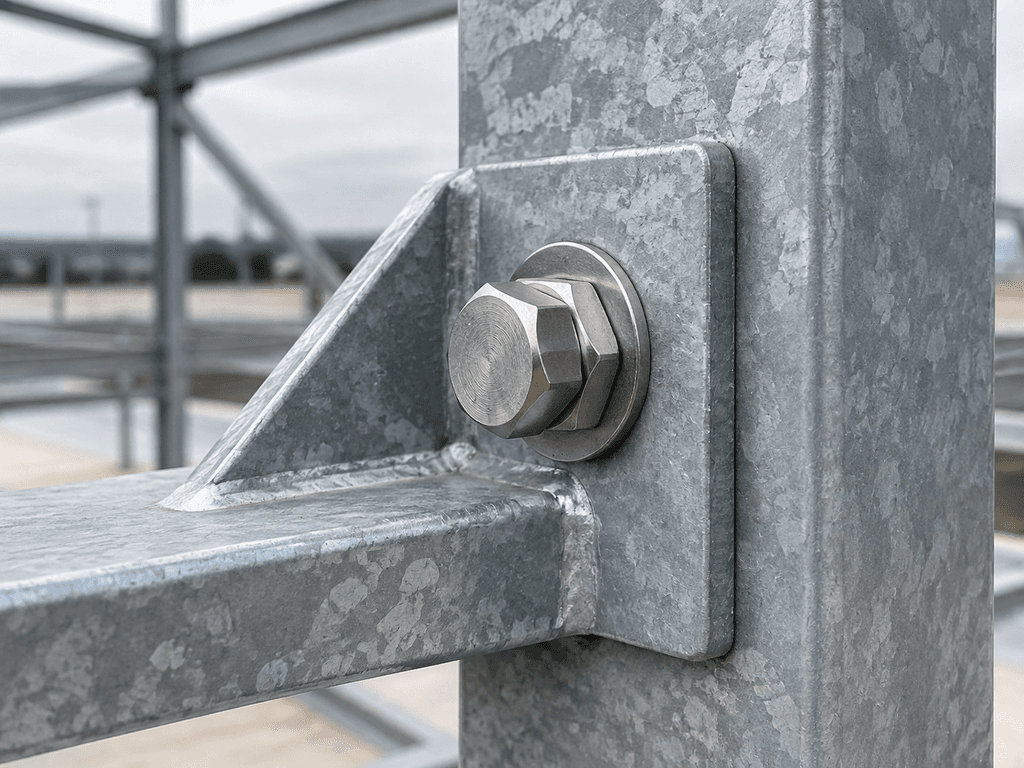
Can Stainless Steel Bolts Be Used with Galvanized Steel? Galvanic Corrosion Guide
Can stainless steel bolts be used with galvanized steel? Learn how galvanic corrosion occurs, which conditions increase risk, and how to specify compatible fasteners for outdoor and coastal projects.

Fastener Submittal Checklist: Drawings, MTC, Coating and Packaging
Use this fastener submittal checklist for steelwork projects. Learn what to confirm before ordering bolts, anchor bolts and threaded rods, including drawings, MTC, coating, thread fit, packaging and shipment labels.
Want to know more?
Get in touch with us for more information about our services and products.