Streamlining B2B Industrial Fastener Sourcing: Key Strategies for Quality, Cost, and Global Supply

Annie Z
AuthorWith over 25 years of experience in fastener production and export sales, we operate our own manufacturing plant and our products are exported to over 50 countries. We are professional experts in bolts, nuts, washers, anchor bolts, and customized fasteners.
Introduction: The Rising Complexity of Industrial Fastener Procurement
Industrial fasteners are the backbone of construction, automotive, heavy machinery, and infrastructure projects worldwide. Yet for procurement professionals, securing reliable sources of threaded fasteners has never been more demanding. Global supply chain disruptions, fluctuating raw material costs, and inconsistent quality standards create persistent friction in industrial procurement workflows. Buyers repeatedly face shipments with unreliable mechanical properties, unexplained lead time shifts, and insufficient traceability—making it impossible to operate with confidence.
When a single failed bolt can halt a production line or compromise structural integrity, the stakes are too high for guesswork. This article outlines proven, conversion-focused strategies to tighten your sourcing process, drawing on market data and the capabilities of a global fastener supplier committed to technical excellence.
Market Outlook: The Growing Demand for High-Quality Fasteners
The industrial fasteners market is on a strong growth trajectory, projected to reach $103.9–124.2 billion by 2034. Infrastructure renewal, accelerating vehicle production, and the renewable energy boom are all intensifying demand. For procurement teams, this means competition for reliable capacity is heating up, and demand for Class 12.9 and other high-grade fasteners is rising across sectors.
At the same time, specifications are tightening. Engineers now routinely require industrial bolts and machinery fasteners with enhanced corrosion resistance—hot-dip galvanizing, zinc-nickel coating, and specialized surface finishing are becoming standard. Procurement leaders who secure relationships with fastener manufacturers offering robust quality assurance and global distribution gain a decisive advantage in cost control and supply continuity.
Core Sourcing Challenges and How to Overcome Them
Quality Consistency: Material variability causes most sourcing failures. Insist that every fastener supplier provides a Material Test Certificate (MTC) and EN 10204 3.1 certification. These documents verify chemical composition, mechanical properties, and heat treatment conformance—turning quality from an assumption into a verifiable data point. Without them, even visually identical standard fasteners can behave unpredictably under load.
Corrosion Resistance: Offshore wind farms, chemical plants, and outdoor structures demand fasteners that withstand aggressive environments. Specify the correct surface finishing upfront: hot-dip galvanizing for heavy-duty outdoor use, zinc-nickel coating for automotive and aerospace applications, or PTFE coating for chemical resistance. Validate performance with salt spray testing—a non-negotiable step that separates cosmetic plating from genuine protection. For a deeper analysis, see how zinc-nickel protection has become the dominant trend in corrosion-critical industries.
Customization Needs: Off-the-shelf fasteners cannot solve every engineering challenge. When your project demands parts based on custom technical drawings, partner with a manufacturer offering ODM fasteners and CNC machining. This eliminates the costly workaround of adapting standard parts and ensures dimensional accuracy from prototype through production.
Supply Chain Reliability: Late deliveries trigger missed deadlines and penalty clauses. Vet suppliers on their logistics track record—proven global freight partnerships, transparent lead time commitments, and flexible MOQ terms are the marks of a dependable partner. A supplier that manages OEM fasteners to specialized carbon steel fasteners under one roof simplifies your supply base and reduces coordination overhead.
The Role of Technical Sourcing and Custom Fasteners
Technical sourcing transforms procurement from transactional to strategic. Instead of simply matching part numbers, skilled teams evaluate fastener performance against application requirements—navigating standards like DIN933 hex bolts while identifying opportunities for consolidation and cost reduction.
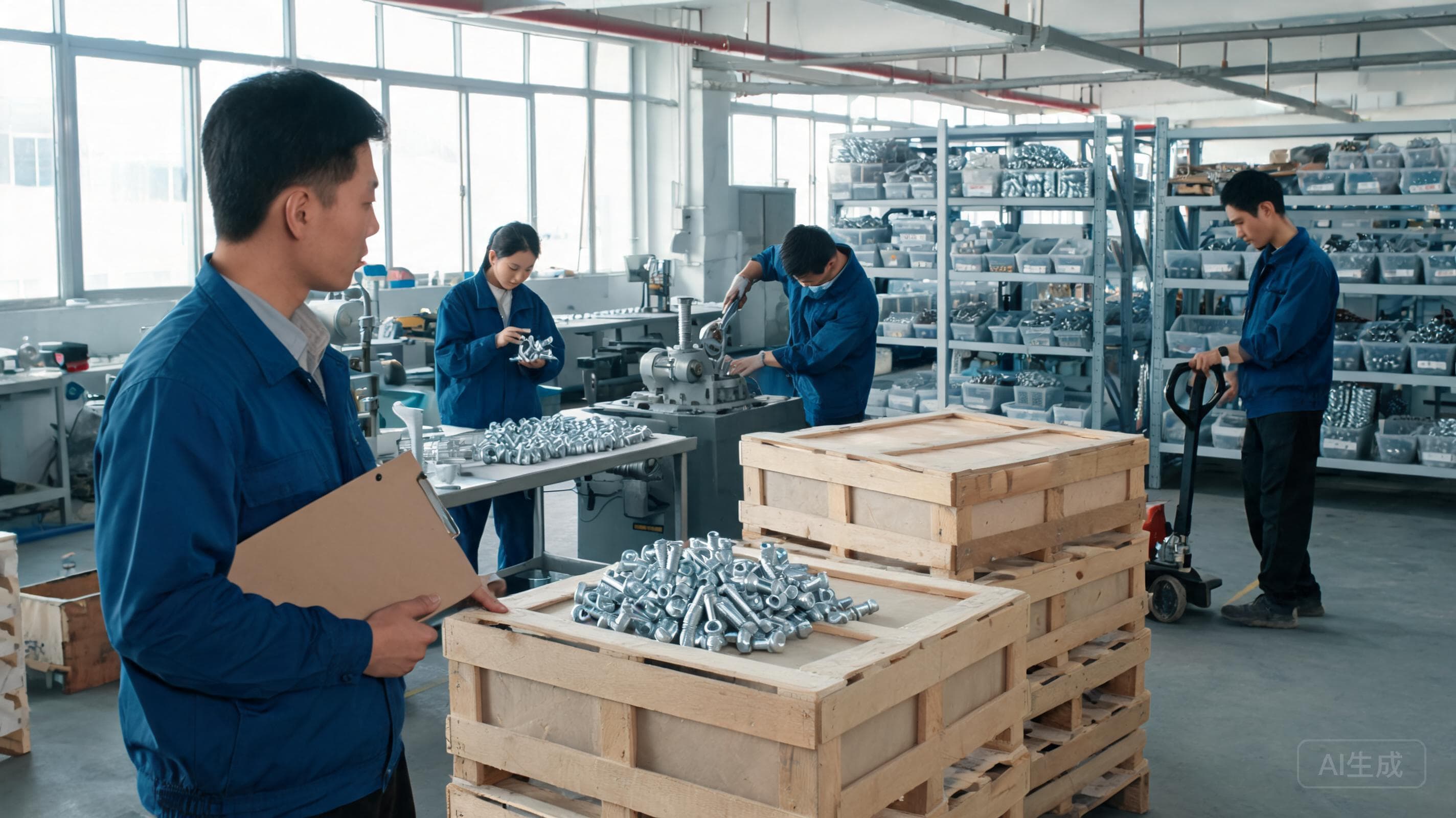
Cold forging produces superior grain flow and fatigue resistance compared to machining, especially for high-volume hex bolts. Thread rolling further enhances tensile strength by compressing material rather than cutting. For complex geometries beyond cold forming limits, CNC machined components deliver the precision needed. Automated production lines integrating both processes give buyers access to the full spectrum of custom fasteners without quality inconsistencies found in manual operations.
From heavy-duty structural bolts for steel frameworks to precision machinery fasteners for industrial equipment, custom solutions reduce assembly complications, extend service life, and lower total cost of ownership. The engineering investment in proper fastener specification pays dividends over the asset’s lifespan.
Featured Product Solutions: Performance and Durability You Can Rely On
The following solutions directly address the sourcing challenges outlined above. Each product category comes with full Material Test Certificate documentation and can be tailored to your project specifications.
High-Strength Grade 8.8 Full-Thread Carbon Steel Screw: Engineered for construction, petrochemical, and high-speed rail applications, these carbon steel fasteners are available in M6–M18 diameters with custom thread lengths and point configurations. Full-thread design maximizes clamping engagement in critical connections.
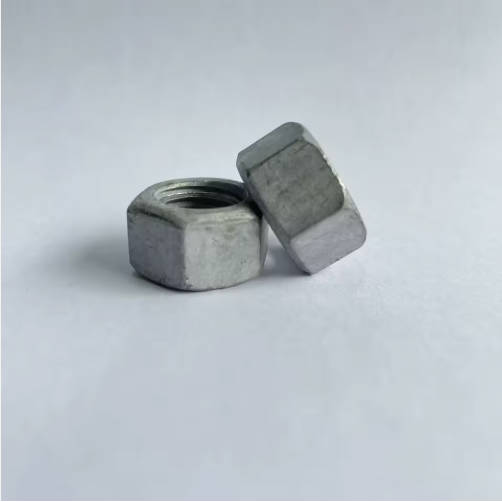
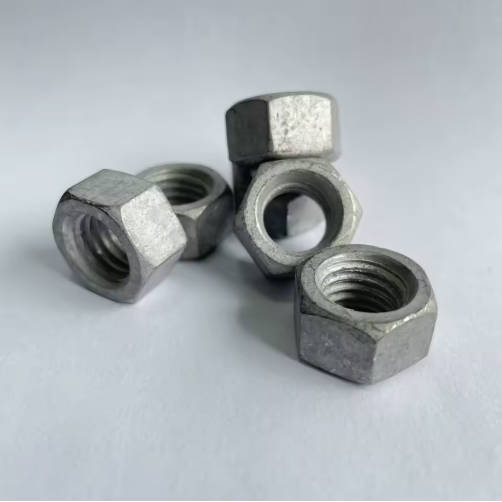
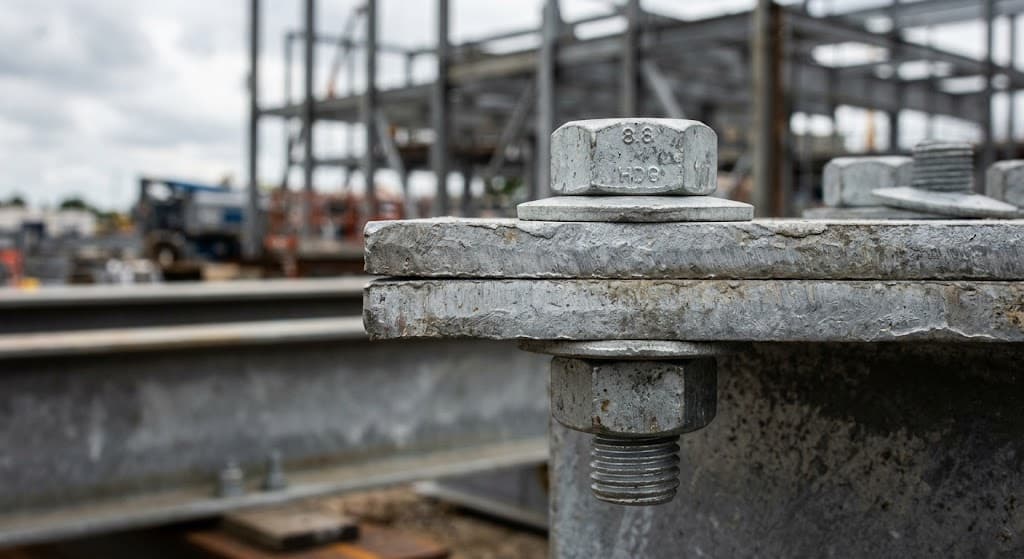
Grade 8 Hot Dip Galvanized Hex Nut: Combining high tensile strength with robust corrosion resistance, these nuts serve heavy machinery and new energy infrastructure. The hot-dip galvanized coating provides decades of outdoor service life, making them a reliable choice for engineering fasteners in exposed environments.
Hot Dip Galvanized DIN603 Carriage Bolt: The anti-rotation square neck eliminates secondary holding tools during assembly—a practical advantage in construction and agricultural equipment. These industrial bolts are purpose-built for timber connections and outdoor structures where galvanic protection is essential.
12.9 Grade Black Zinc Plated Hex Head Bolts (DIN931 & DIN933): Offered in grades 10.9 and 12.9 from M4 to M52, these hex bolts deliver the high clamp loads required by automotive powertrains, steel structures, and heavy equipment. Black zinc plating provides clean aesthetics with reliable corrosion protection.
HDG Round Head Guardrail Splicing Bolt: Tailor-made for fencing and traffic infrastructure, these bolts feature a burr-free design that prevents installation injuries and ensures consistent torque values. Hot-dip galvanizing guarantees decades of outdoor durability.
Grade 8 High-Strength Hot-Dip Galvanized Hex Head Bolt Set: Complete with matched nuts, available M8–M20 with standard UNEF threads. This system simplifies procurement for machinery assembly and construction projects where machinery fasteners must perform under dynamic loads.
Quality Assurance and Certification: Your Safety Net
Documentation separates professional fastener manufacturers from commodity traders. ISO 9001 certification confirms that manufacturing processes are controlled, audited, and continuously improved—and for critical applications, it should be a baseline requirement.
Beyond the quality management system, material-specific documentation matters. MTC reports and EN 10204 3.1 certificates establish full traceability from raw material heat number to finished product—essential for regulated industries where audit trails are mandatory. Comprehensive mechanical testing, including tensile strength verification and salt spray testing, validates that your threaded fasteners will perform as specified. A fastener supplier that performs these tests in-house minimizes your exposure to field failures and the consequential costs that follow.
Global Logistics and Order Fulfillment
Bulk orders of industrial bolts, hex bolts, and custom fasteners require disciplined logistics planning. Standard products typically ship within 15–30 days, while custom-manufactured components may extend lead times depending on tooling and finishing complexity. Understanding these timelines before placing orders prevents production gaps. Monitoring lead time trends across the fastener supply chain helps procurement teams anticipate bottlenecks and adjust safety stock accordingly.
Established global fastener suppliers leverage freight partnerships across ocean, air, and land routes to handle international shipments of construction, automotive, and specialized manufacturing fasteners. Flexible warehousing options—including vendor-managed inventory and consignment stock—enable B2B buyers to maintain just-in-time availability without tying up working capital.
Conclusion: Partner with FastenersB2B for Reliable, Cost-Effective Sourcing
Navigating the complexities of industrial procurement demands more than a transactional vendor relationship. It requires a partner with deep technical knowledge, an extensive catalog spanning standard and custom fasteners, verifiable certifications, and the global logistics infrastructure to deliver on time, every time. FastenersB2B brings together cold forging, CNC machining, comprehensive surface finishing, and full material traceability—all through a single, accountable global fastener supplier. Contact our team today to discuss your requirements and secure a competitive quote for 2025 and beyond.
Related News
Other news you might be interested in
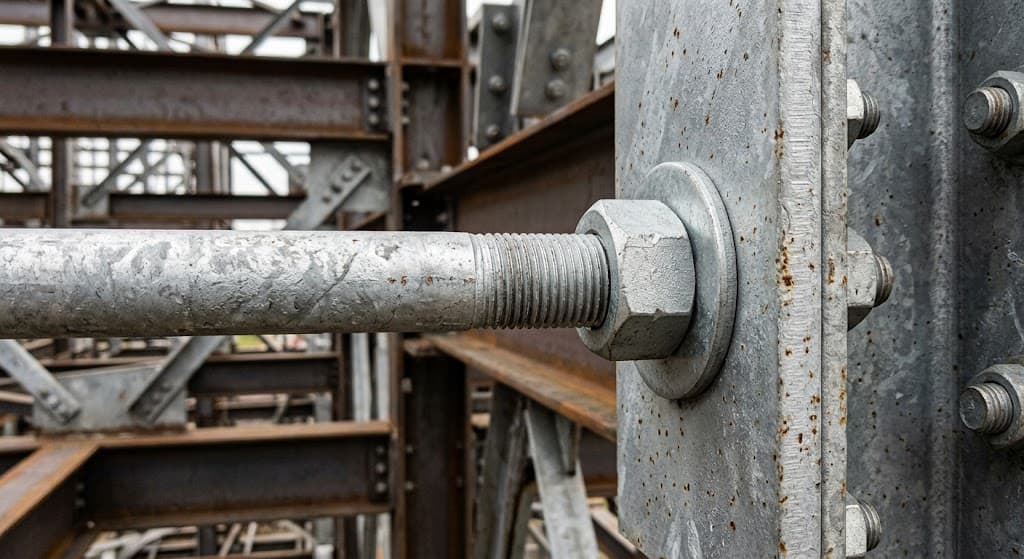
How to Specify Hot Dip Galvanized Tie Rods for Steel Bracing: Diameter, Thread Length and RFQ Checklist
Learn how to specify hot dip galvanized tie rods for steel bracing and tension applications. Check diameter, thread length, coating, matching components and RFQ requirements.
How to Select Hot Dip Galvanized Washers for Steel Structures
Learn how to select hot dip galvanized flat, square and beveled washers for steel structures. Compare washer functions, bolt compatibility, corrosion protection and RFQ requirements.
Want to know more?
Get in touch with us for more information about our services and products.