
Ouvrages en acier maritimes et côtiers : Fixations galvanisées à chaud vs acier inoxydable

Annie Z
AuteurAvec plus de 25 ans d'expérience dans la production et l'exportation de fixations, nous exploitons notre propre usine de fabrication et nos produits sont exportés vers plus de 50 pays. Nous sommes des experts professionnels des boulons, écrous, rondelles, boulons d'ancrage et fixations sur mesure.
Ouvrages métalliques maritimes et côtiers : Quand choisir les fixations galvanisées à chaud et quand l'inox est préférable
Les fixations utilisées près de la mer sont confrontées à un environnement plus exigeant que celles utilisées dans les constructions intérieures normales. L'air chargé de sel, l'humidité, l'eau de pluie, les zones de projections et les conditions de maintenance difficiles peuvent accélérer la corrosion et réduire la durée de vie d'un assemblage en acier.
Pour les ouvrages métalliques côtiers, la question d'achat la plus courante est de savoir s'il faut choisir des fixations galvanisées à chaud ou des fixations en acier inoxydable. Il n'existe pas de réponse unique pour chaque projet. Le choix correct dépend de l'emplacement de la structure, de l'exposition à la corrosion, de la durée de vie requise, de l'accessibilité pour la maintenance, de la compatibilité des matériaux et du cahier des charges du projet.
Ce guide compare les fixations galvanisées à chaud (HDG) et les fixations en acier inoxydable pour les ouvrages métalliques maritimes et côtiers, aidant les acheteurs à choisir une solution de fixation pratique avant la production et l'installation.

Pourquoi les environnements côtiers créent des risques de corrosion pour les fixations
Les environnements côtiers contiennent de l'humidité et du sel en suspension dans l'air. Lorsque les dépôts de sel restent à la surface d'une fixation, en particulier dans les zones humides ou mal ventilées, la corrosion peut se produire plus rapidement que dans les environnements intérieurs secs.
Les fixations utilisées dans les projets côtiers peuvent être exposées à :
- L'air chargé de sel près du rivage
- L'eau de pluie et la condensation
- Une humidité élevée
- Les zones de projections ou de marée
- La pollution industrielle près des ports
- Les interstices entre les surfaces en acier connectées
- Les poches d'eau autour des rondelles, écrous et supports
- Les endroits difficiles d'accès où la maintenance est limitée
Plus une structure est proche de l'eau de mer directe, des zones de projections ou d'un mouillage fréquent, plus le matériau et le revêtement de la fixation doivent être évalués avec soin.
Que sont les fixations galvanisées à chaud ?
Les fixations galvanisées à chaud sont des boulons en acier, écrous, rondelles, tiges filetées ou boulons d'ancrage revêtus de zinc par le processus de galvanisation à chaud. Le revêtement de zinc aide à protéger l'acier sous-jacent de la corrosion et est couramment utilisé pour la construction extérieure, les charpentes métalliques, les garde-corps, les structures utilitaires et de nombreux projets d'infrastructure.
Les fixations HDG sont souvent choisies car elles offrent une protection pratique contre la corrosion à un coût de matériau inférieur à celui de nombreuses options en acier inoxydable. Elles sont particulièrement courantes dans les structures en acier extérieures générales où l'environnement est exposé mais pas continuellement immergé dans l'eau de mer.
Pour les applications structurelles extérieures, explorez notre catégorie de boulons galvanisés à chaud. Les acheteurs peuvent spécifier la taille du boulon, la longueur, la nuance de matériau, les écrous et rondelles assortis, ainsi que les exigences de galvanisation selon le dessin du projet.

Que sont les fixations en acier inoxydable ?
Les fixations en acier inoxydable utilisent des nuances d'acier inoxydable résistantes à la corrosion plutôt qu'un revêtement de zinc sur de l'acier au carbone. Elles sont généralement envisagées pour les environnements corrosifs plus exigeants, où une longue durée de vie, une résistance à la corrosion du matériau ou des exigences spécifiques du projet sont importantes.
L'acier inoxydable peut convenir à certaines applications marines, côtières, chimiques, agroalimentaires et à haute humidité. Cependant, toutes les nuances d'acier inoxydable n'offrent pas la même résistance à la corrosion, et l'acier inoxydable n'est pas automatiquement le meilleur choix pour chaque assemblage côtier.
Pour les options disponibles, consultez notre catégorie de fixations en acier inoxydable.
Fixations HDG vs Fixations en acier inoxydable
| Élément de comparaison | Fixations galvanisées à chaud | Fixations en acier inoxydable |
|---|---|---|
| Matériau de base | Acier au carbone avec revêtement de zinc | Alliage d'acier inoxydable résistant à la corrosion |
| Application typique | Charpentes extérieures, structures de support, infrastructures générales | Applications à plus forte corrosion ou spécifiées |
| Protection contre la corrosion | Le revêtement de zinc protège le substrat en acier | La résistance dépend de la nuance d'inox et de l'environnement |
| Coût initial du matériau | Souvent plus économique pour les projets structurels | Généralement plus élevé que les options HDG en acier au carbone |
| Considération du filetage | La tolérance de filetage de l'écrou assorti doit être prise en compte | Doit correspondre à la nuance correcte du boulon et de l'écrou inox |
| Planification de la maintenance | Convient lorsque la protection du revêtement correspond au niveau d'exposition | Peut être préféré lorsque l'exposition à la corrosion est plus sévère ou la maintenance difficile |
| Sélection du projet | Basée sur les exigences de revêtement et l'environnement | Basée sur la nuance, les conditions de corrosion et la compatibilité |
Le tableau est un guide de sélection, pas un remplacement d'un cahier des charges d'ingénierie. Les fixations doivent être sélectionnées en fonction des conditions d'exposition réelles et des exigences du projet.

Quand les fixations HDG sont souvent un choix pratique
Les boulons, écrous et tiges filetées galvanisés à chaud sont couramment utilisés dans les structures en acier extérieures où une protection à long terme contre la corrosion est nécessaire et où les conditions ne sont pas équivalentes à une immersion continue dans l'eau de mer ou à une exposition sévère aux projections.
Les fixations HDG peuvent convenir pour :
- Bâtiments en acier côtiers situés à l'écart des projections directes de vagues
- Cadres de support extérieurs
- Structures utilitaires
- Garde-corps et barrières piétonnes
- Structures de support électriques et de transmission
- Plateformes et passerelles extérieures
- Charpentes d'entrepôts dans les régions côtières
- Supports extérieurs généraux et assemblages en acier fabriqués
- Structures de support de montage solaire
- Boulons d'ancrage extérieurs et connexions de fondation
L'acheteur doit spécifier l'environnement prévu, l'exigence de revêtement et l'attente de maintenance. Pour un assemblage structurel extérieur, il est également important de fournir des écrous et rondelles galvanisés assortis en tant qu'ensemble complet.
Pour un aperçu des choix de revêtement en zinc, lisez Boulons galvanisés à chaud vs boulons zingués.
Quand l'acier inoxydable peut être la meilleure option
L'acier inoxydable peut être envisagé lorsque l'exposition à la corrosion est plus exigeante, que l'emplacement de la fixation est difficile à inspecter, ou que le projet exige spécifiquement une nuance de matériau en acier inoxydable.
Les fixations en acier inoxydable peuvent être préférées pour :
- Les structures très proches de l'eau de mer
- Les équipements marins et la quincaillerie de quai
- Les zones avec un mouillage fréquent à l'eau salée
- Les zones d'équipement à haute humidité
- Les projets avec des exigences spécifiques de matériau en acier inoxydable
- Les assemblages où l'accès pour la maintenance est limité
- Les applications où la compatibilité des matériaux doit être étroitement contrôlée
- Les installations architecturales où l'apparence à long terme est importante
Le projet doit identifier la nuance d'acier inoxydable requise plutôt que de simplement mentionner « acier inoxydable ». La nuance correcte dépend de l'environnement, des matériaux connectés et des conditions de service requises.

Comment sélectionner les fixations pour un projet côtier
Le processus de sélection des fixations doit commencer par l'environnement du projet, pas seulement par le prix du produit. Une fixation moins chère peut générer un coût de maintenance plus élevé si elle n'est pas adaptée aux conditions d'exposition réelles.
| Question de sélection | Ce que les acheteurs doivent confirmer |
|---|---|
| À quelle distance le projet est-il de la mer ? | L'air côtier, les projections directes et les conditions d'immersion sont différents |
| La fixation sera-t-elle exposée à la pluie ou à l'humidité piégée ? | La rétention d'eau peut augmenter le risque de corrosion |
| L'assemblage est-il facile à inspecter et à entretenir ? | Les zones difficiles d'accès peuvent nécessiter une solution plus durable |
| De quel matériau est faite la structure connectée ? | La compatibilité des matériaux doit être examinée |
| L'application est-elle structurelle ou non structurelle ? | L'exigence de charge affecte la taille du boulon et le choix de la nuance |
| Quelle est la durée de vie requise du projet ? | Des attentes de durée de vie plus longues peuvent affecter le choix du revêtement ou du matériau |
| Existe-t-il des normes spécifiques au projet ? | Les dessins et spécifications doivent définir les matériaux et la finition requis |
| Des écrous et rondelles assortis sont-ils requis ? | Les composants de l'assemblage doivent être spécifiés ensemble |
Pour les bases en béton, les colonnes en acier et les structures de support d'équipement, les acheteurs peuvent également consulter Comment spécifier les boulons d'ancrage galvanisés à chaud pour les fondations en béton.
Évitez de mélanger des matériaux non spécifiés
Un assemblage de fixation comprend plus que le boulon. Il peut inclure un écrou, une rondelle, une plaque de base, un support, une tige filetée ou un composant en acier connecté. Les matériaux ne doivent pas être mélangés sans tenir compte de la compatibilité et des exigences du projet.
Des problèmes potentiels peuvent survenir lorsque :
- Un boulon galvanisé est assemblé avec un écrou inadapté
- Des fixations en acier inoxydable sont installées sur des métaux incompatibles
- Différents matériaux de fixation sont mélangés au sein d'un seul assemblage structurel
- Les fixations de remplacement ne correspondent pas au matériau ou à la finition d'origine
- Les dommages au revêtement sont ignorés lors de l'installation
- L'eau est autorisée à rester piégée autour de l'assemblage
Pour les assemblages boulon-écrou HDG, l'ajustement du filetage doit être clairement spécifié. Lisez Pourquoi les écrous HDG ont besoin de filetages surdimensionnés : Guide d'ajustement du filetage des boulons galvanisés.
Liste de contrôle d'approvisionnement pour les fixations côtières
Avant de demander un devis, préparez les informations suivantes :
- Type d'application et emplacement du projet
- Distance de la côte ou exposition au sel attendue
- Type de boulon, écrou, rondelle ou tige filetée
- Norme requise
- Diamètre, longueur et exigence de filetage
- Nuance du matériau
- Finition de surface requise ou nuance d'acier inoxydable
- Quantité requise pour chaque taille
- Exigence d'écrou et de rondelle assortis
- Dessin ou photo d'échantillon pour les produits personnalisés
- Exigence de documentation d'inspection
- Emballage et port de destination
Pour les projets impliquant des supports d'équipement, des chemins de câbles ou des structures utilitaires extérieures, voir La construction de centres de données est en expansion : Comment spécifier les boulons d'ancrage, les tiges filetées et les fixations galvanisées.

Questions fréquemment posées
1. Les fixations galvanisées à chaud conviennent-elles aux zones côtières ?
Elles peuvent convenir à de nombreuses applications extérieures côtières, en particulier lorsque les conditions du projet et la protection de revêtement requise sont appropriées. L'exposition directe à l'eau de mer, les projections fréquentes ou les conditions de sel sévères peuvent nécessiter un matériau différent ou une stratégie de corrosion plus spécifique.
2. L'acier inoxydable est-il toujours meilleur que les fixations HDG près de la mer ?
Pas toujours. L'acier inoxydable peut être approprié pour certains environnements exigeants, mais le choix final dépend de la nuance d'acier inoxydable, de l'exposition du projet, de la compatibilité des matériaux, des exigences de charge et du budget.
3. Les boulons HDG et les écrous en acier inoxydable peuvent-ils être utilisés ensemble ?
L'ensemble boulon, écrou et rondelle doit être sélectionné comme un ensemble compatible selon les exigences du projet. Ne mélangez pas les matériaux sans confirmer l'ajustement du filetage, la compatibilité des matériaux et l'environnement prévu.
4. Quelles informations sont nécessaires pour un devis de fixation côtière ?
Veuillez fournir le type de produit, la taille, la nuance du matériau, le revêtement ou l'exigence d'acier inoxydable, la quantité, l'environnement d'application et le port de destination. Les dessins techniques sont utiles pour les produits personnalisés.
---
Pour recevoir un devis précis pour les fixations d'ouvrages métalliques côtiers, veuillez envoyer le type de produit requis, la norme applicable, le diamètre, la longueur, la nuance du matériau, la finition de surface, la quantité et l'environnement du projet.
Related News
Other news you might be interested in
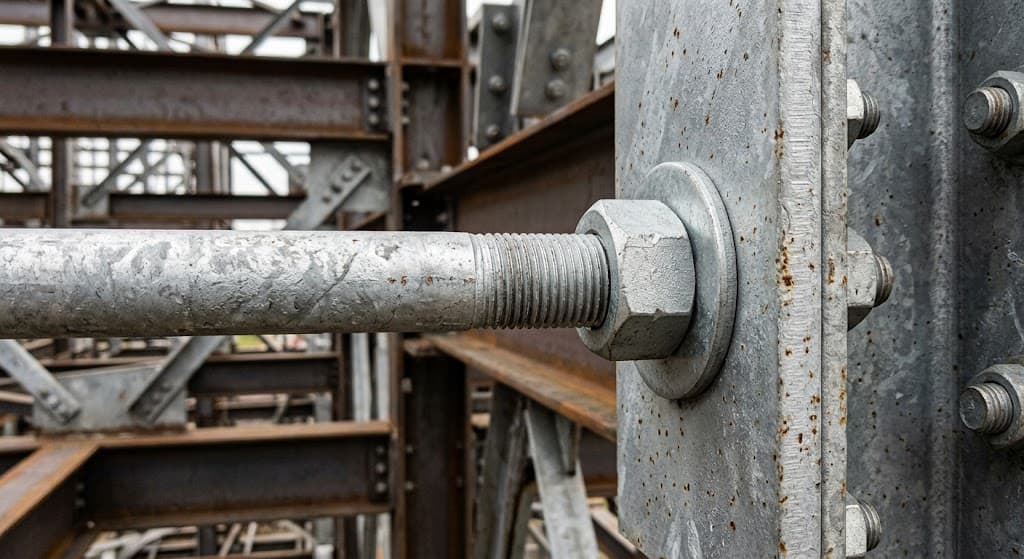
Comment spécifier les tirants galvanisés à chaud pour le contreventement en acier : diamètre, longueur de filetage et liste de contrôle RFQ
Apprenez à spécifier les tirants galvanisés à chaud pour le contreventement en acier et les applications de tension. Vérifiez le diamètre, la longueur du filetage, le revêtement, les composants correspondants et les exigences RFQ.
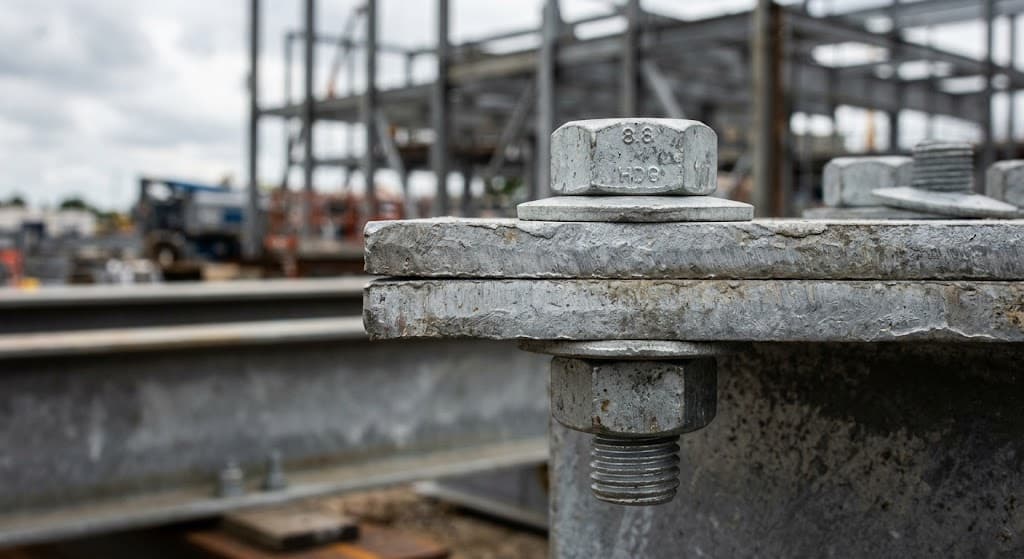
How to Select Hot Dip Galvanized Washers for Steel Structures
Learn how to select hot dip galvanized flat, square and beveled washers for steel structures. Compare washer functions, bolt compatibility, corrosion protection and RFQ requirements.
Want to know more?
Get in touch with us for more information about our services and products.