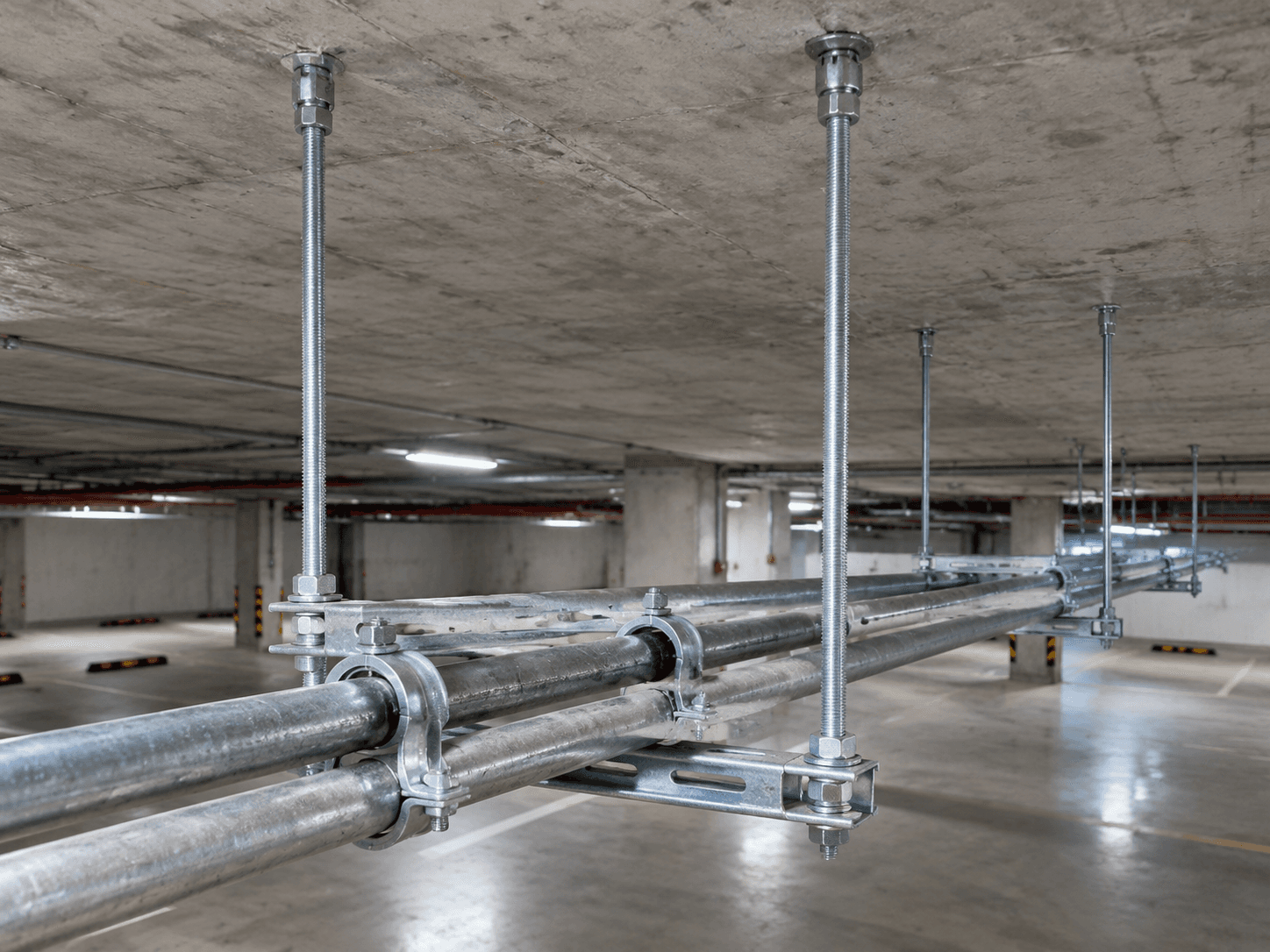
Why HDG Nuts Need Oversized Threads: Galvanized Bolt Thread Fit Guide

Annie Z
AutorCom mais de 25 anos de experiência na produção e exportação de fixadores, operamos nossa própria fábrica e nossos produtos são exportados para mais de 50 países. Somos especialistas profissionais em parafusos, porcas, arruelas, chumbadores e fixadores personalizados.
Hot dip galvanized bolts and nuts are widely used in outdoor steel structures, transmission projects, guardrails, bridges, pipe supports, industrial platforms and other applications where corrosion protection is required. However, one common assembly problem can occur when galvanized bolts and nuts are specified without considering thread fit.
Hot dip galvanizing adds a zinc coating to the steel surface. While this coating provides corrosion resistance, it also changes the effective dimensions of the bolt thread and nut thread. If a standard nut is used without the correct thread allowance, it may be difficult to assemble onto a galvanized bolt after coating.
For this reason, hot dip galvanized nuts are commonly produced with oversized internal threads. This allows the nut to fit correctly over the zinc-coated external thread of a galvanized bolt while maintaining a practical fastening assembly.
What Does “Oversized Thread” Mean for HDG Nuts?
An oversized thread nut has an internal thread that is tapped with additional allowance before or after the galvanizing process, depending on the production method and applicable requirement. The purpose is to accommodate the zinc coating that builds up on the bolt thread during hot dip galvanizing.
The phrase does not mean that the nut is loose or poorly manufactured. It means that the internal thread is intentionally adjusted so that it can match a galvanized bolt after the coating has been applied.
A galvanized bolt and nut assembly should provide:
- Smooth nut installation without excessive force
- Suitable thread engagement
- Correct assembly with the matching bolt size
- Reliable clamping after tightening
- Practical on-site installation
- Appropriate corrosion protection for the intended environment
For related products, visit our hot dip galvanized nuts category. A common option for general fastening applications is our DIN 934 carbon steel galvanized hex nut.
Why Hot Dip Galvanizing Affects Thread Fit
A bolt and nut are designed to work together through matching external and internal threads. Before coating, a standard bolt and standard nut may assemble normally. After hot dip galvanizing, zinc coating can increase the effective dimension of the external bolt thread.
If the nut thread is not adjusted to allow for this coating, several problems may appear:
- The nut may not start on the bolt thread.
- The nut may stop before reaching the required position.
- Installation may require excessive force.
- The zinc coating may be damaged during forced assembly.
- Field installation may be delayed.
- Workers may incorrectly assume that the bolt or nut is defective.
Thread fit is especially important for larger fasteners, structural bolts, anchor bolts, threaded rods and assemblies used in site installation. A bolt may look acceptable during visual inspection, but the practical test is whether the specified matching nut can be assembled correctly.
How HDG Bolts and Nuts Are Matched
The bolt, nut and washer should be treated as one fastening assembly, not as unrelated individual products. The correct combination depends on the bolt size, thread pitch, material grade, galvanizing method and applicable standard.
| Assembly Item | What Should Be Confirmed |
|---|---|
| Bolt size | Nominal diameter, such as M12, M16, M20 or another required size |
| Thread type | Metric coarse thread, fine thread or project-specific thread requirement |
| Bolt material grade | Required mechanical performance according to the project specification |
| Nut type | Hex nut, heavy hex nut, flange nut, lock nut or another specified nut type |
| Nut thread allowance | Suitable internal thread allowance for the galvanized bolt |
| Surface finish | Hot dip galvanized, zinc plated, plain or other required finish |
| Washer requirement | Matching washer type, size and finish |
| Assembly test | Practical bolt-and-nut fit check before shipment where required |
For matching structural fasteners, buyers can review our hot dip galvanized bolts category. The bolt and nut finish should be specified together so that the assembly requirement is clear from the beginning.
Common Problems Caused by Incorrect Nut Thread Fit
Incorrect thread fit can create unnecessary production, packing and installation problems. In B2B construction supply, the cost of a mismatched nut and bolt can be much higher than the cost of the fastener itself because it may delay installation work on site.
| Problem | Possible Cause | Practical Result |
|---|---|---|
| Nut cannot start on bolt | Internal nut thread has insufficient allowance | Assembly cannot begin |
| Nut becomes tight too early | Zinc coating affects thread clearance | Required clamping position cannot be reached |
| Zinc coating is scratched | Nut is forced onto the bolt | Corrosion protection may be damaged |
| Different lots assemble differently | Bolt and nut matching was not controlled consistently | Installation quality becomes difficult to manage |
| Site team uses incorrect replacement nuts | Replacement nuts are not specified for HDG bolts | Connection may not assemble as intended |
| Bolt is incorrectly rejected | Thread fit was not tested with the correct matching nut | Material may be unnecessarily returned or reworked |
A practical assembly test is useful for project orders. The supplied nut should be tested with the matching galvanized bolt size before shipment, especially when the order includes large quantities, structural sizes or special thread requirements.
When Is Oversized Thread Most Important?
Oversized thread allowance is particularly important when the bolt is hot dip galvanized after threading. The zinc coating can affect the external thread profile, so the matching nut must be selected and manufactured for the final galvanized condition.
Buyers should pay close attention to thread fit when ordering:
- Hot dip galvanized hex bolts and nuts
- Galvanized anchor bolts with nuts and washers
- Hot dip galvanized threaded rods
- Structural bolt assemblies
- Large-diameter bolts
- Foundation bolts for steel columns
- Outdoor support and bracket systems
- Bolts used in infrastructure or utility projects
- Custom bolts made from drawings
For threaded rod applications, see our hot dip galvanized threaded rods and studs category. Threaded rod assemblies often require multiple nuts, couplers and washers, making compatibility especially important.
How to Check HDG Bolt and Nut Thread Fit
Thread fit should be checked before installation rather than only after delivery to the construction site. A simple assembly test can help identify whether the matching nut is suitable for the galvanized bolt.
The inspection process may include:
- Confirm that the bolt and nut have the correct nominal size.
- Check the bolt thread for visible zinc build-up, damage or contamination.
- Start the matching nut by hand.
- Confirm that the nut can travel along the threaded section without abnormal resistance.
- Check that the nut can reach the required position for the washer and connected component.
- Verify that the final assembly matches the applicable drawing or installation requirement.
- Record any project-specific inspection result where required.
For a more detailed field inspection process
HDG Nuts and Zinc Plated Nuts Are Not Always Interchangeable
A zinc plated nut and a hot dip galvanized nut may look similar at first glance, but they are not necessarily interchangeable in a galvanized bolt assembly.
Zinc plating generally produces a thinner coating than hot dip galvanizing. A standard zinc plated nut may assemble with a zinc plated bolt under normal conditions. However, a hot dip galvanized bolt requires a matching nut arrangement that considers the thicker zinc coating on the threaded surface.
| Comparison Item | Hot Dip Galvanized Nut | Zinc Plated Nut |
|---|---|---|
| Typical matching application | Hot dip galvanized bolt assemblies | Zinc plated bolt assemblies |
| Thread consideration | Usually requires suitable internal thread allowance | Standard thread fit is more common |
| Corrosion application | Outdoor and more exposed environments | Indoor or lower-corrosion environments |
| Purchasing focus | Bolt-nut compatibility, coating and assembly test | Size, finish and general fastening requirement |
| Replacement risk | Incorrect replacement nut may not fit an HDG bolt | Must still match the bolt size and thread type |
When replacing nuts in the field, the replacement nut should match the bolt size, thread type, material requirement and galvanized assembly condition.
Frequently Asked Questions
1.Why does my galvanized nut not fit my galvanized bolt?
The nut may not have sufficient internal thread allowance for the zinc coating on the bolt thread. The bolt and nut should be specified and supplied as a matching galvanized assembly.
2.Are oversized thread nuts weaker than standard nuts?
Oversized internal threads are used to provide practical fit with a galvanized bolt. The required nut type and material grade should still match the applicable project specification.
3.Can a standard nut be used with a hot dip galvanized bolt?
A standard nut may not provide suitable fit after the bolt has been hot dip galvanized. The correct nut arrangement should be confirmed for the final coated bolt assembly.
4.Should nuts and bolts be ordered from the same supplier?
For project orders, sourcing matching bolts, nuts and washers together can help control thread fit, coating compatibility and assembly consistency.
---
To receive an accurate quotation for hot dip galvanized bolts, nuts and washers, please send the bolt size, length, material grade, thread type, nut type, galvanizing requirement, quantity and destination port.
For custom or structural fastening assemblies, include the drawing and required assembly details.
Related News
Other news you might be interested in
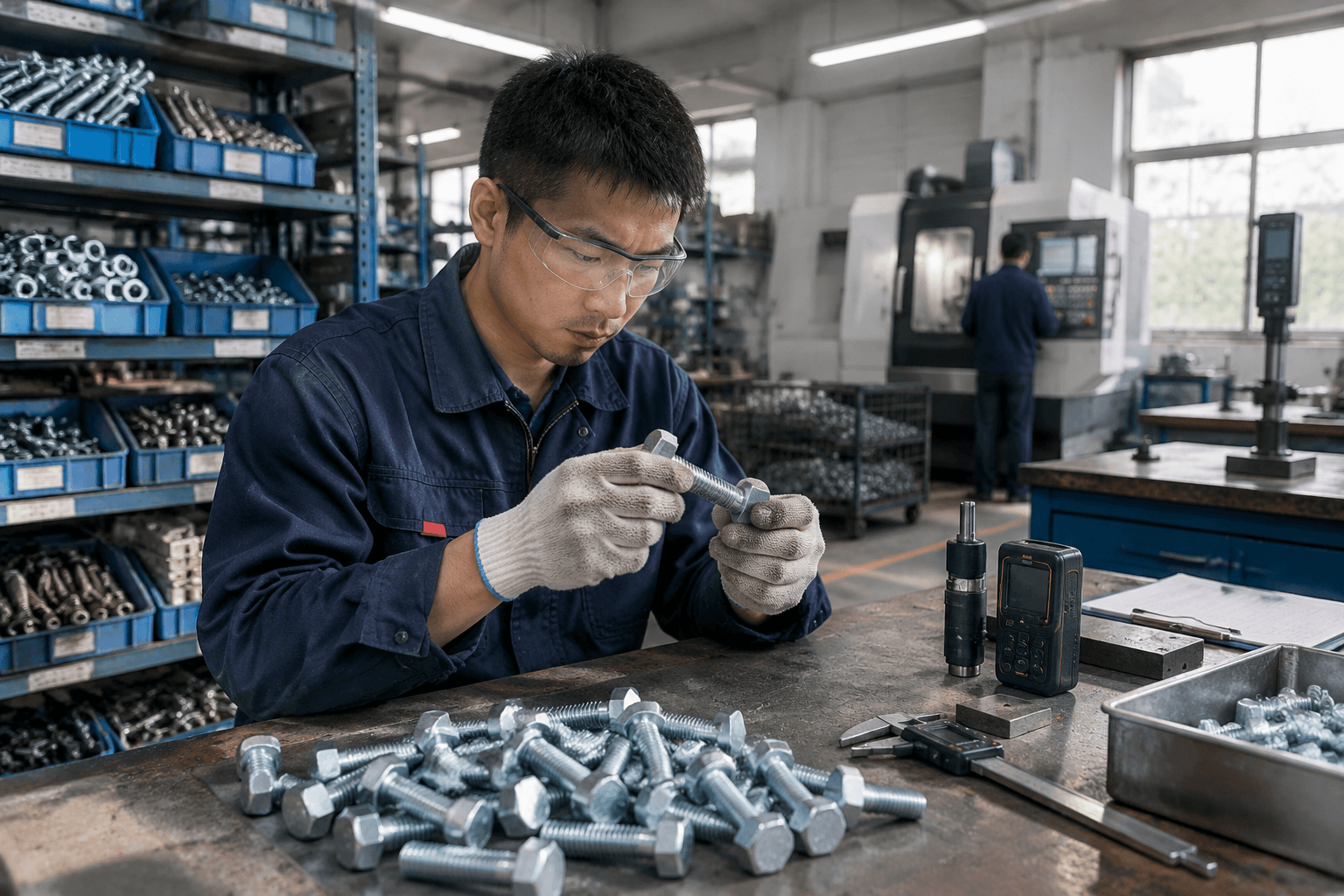
Fornecimento de Fixadores Industriais para Compradores B2B: Qualidade, Personalização e Logística Global
Descubra como compradores B2B adquirem fixadores industriais com confiança. Explore tendências de mercado, opções padrão versus personalizadas, revestimentos, conformidade de qualidade e logística global para projetos OEM.
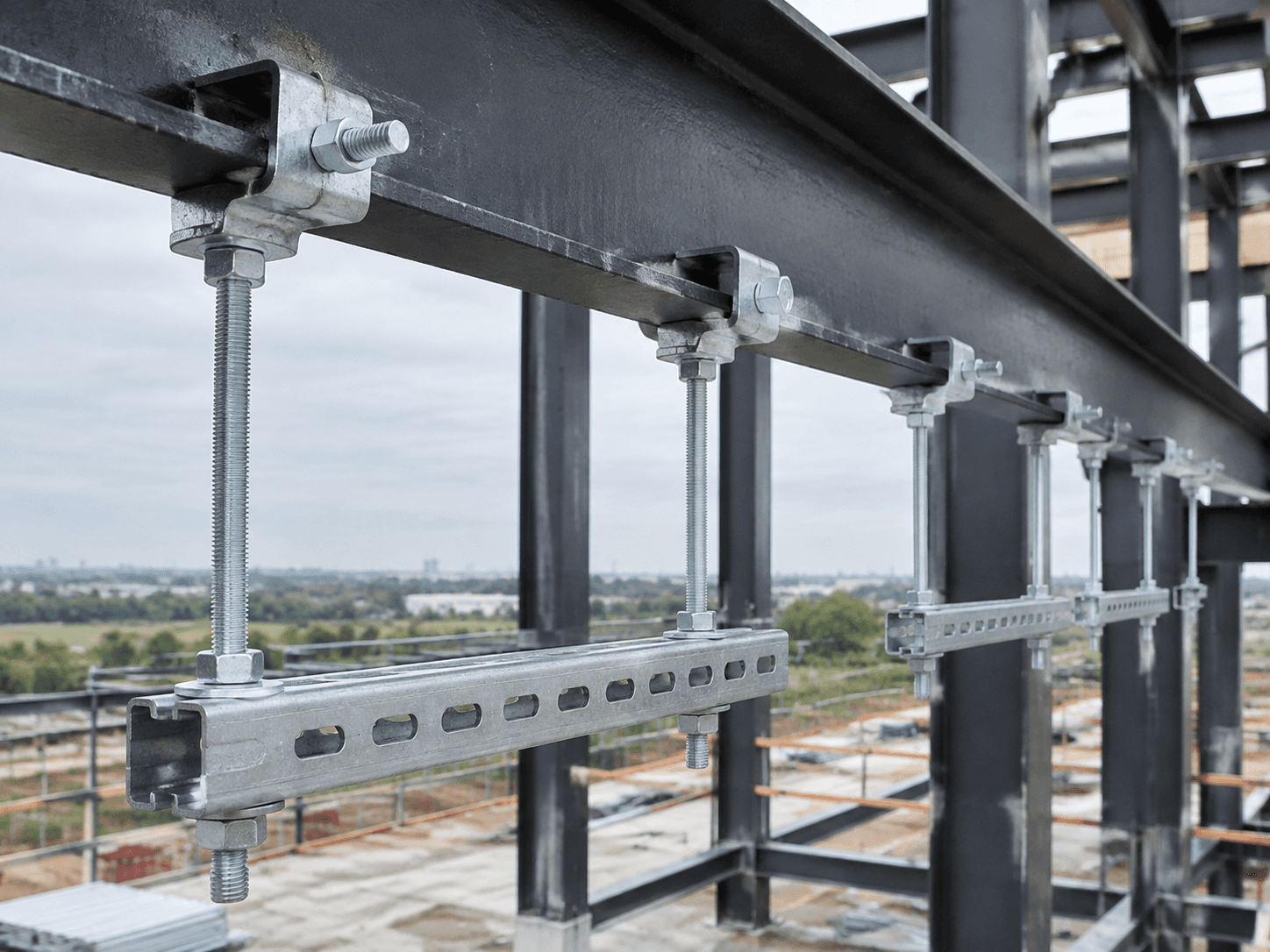
Haste Roscada Galvanizada por Imersão a Quente: Tamanhos, Graus e Usos DIN 975
Saiba como selecionar haste roscada galvanizada por imersão a quente para projetos de construção e estruturas metálicas, incluindo tamanhos DIN 975, graus de material, requisitos de rosca, aplicações e detalhes de RFQ.
Want to know more?
Get in touch with us for more information about our services and products.