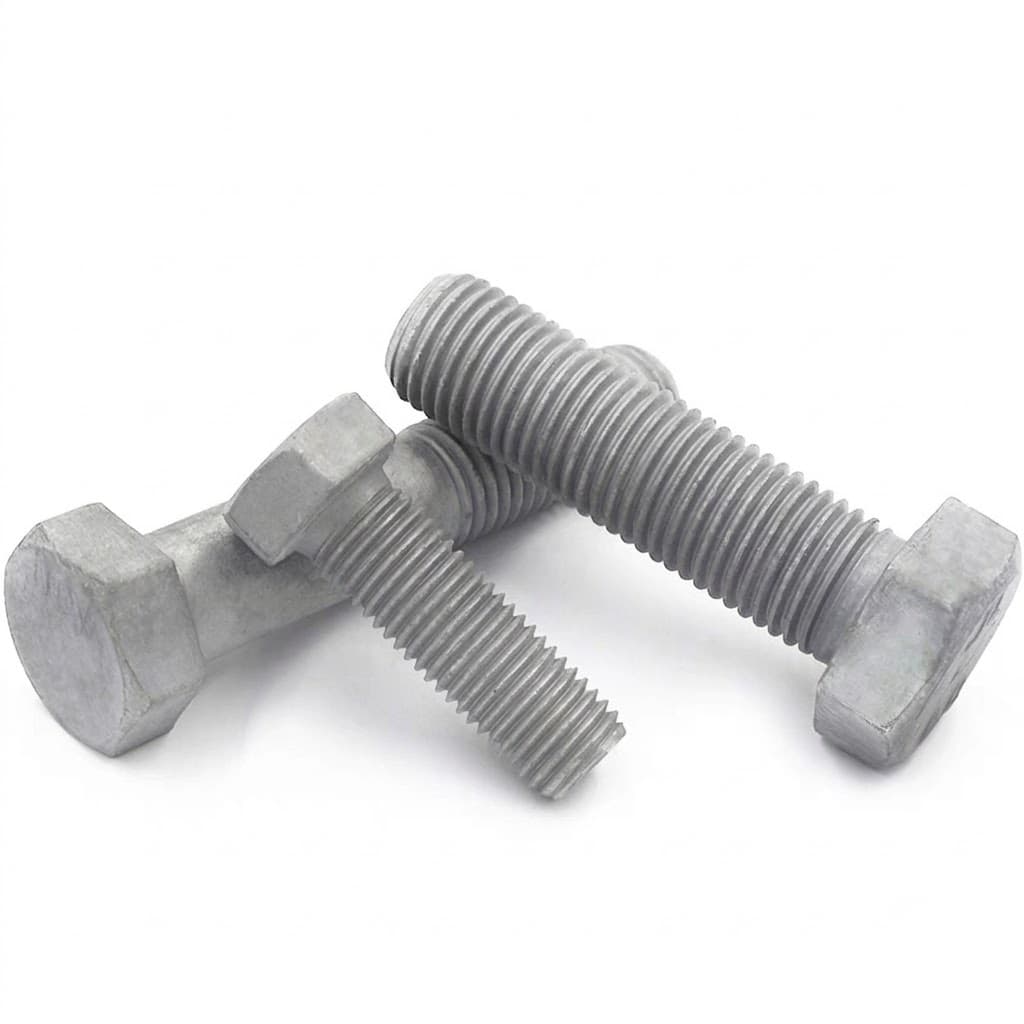
Fastener Procurement for the Middle East: Why Thick-Coating HDG is Essential for Desert Infrastructure

Annie Z
AuthorWith over 25 years of experience in fastener production and export sales, we operate our own manufacturing plant and our products are exported to over 50 countries. We are professional experts in bolts, nuts, washers, anchor bolts, and customized fasteners.
When procuring building materials for infrastructure projects in the Middle East—whether it's a structural steel warehouse in Saudi Arabia, a solar power plant in the UAE, or coastal developments in Qatar—fasteners often make up less than 1% of the total project budget. However, if the wrong surface treatment is selected, fastener failure can lead to severe structural risks and massive maintenance costs.
For buyers importing fasteners into the Middle East, the environment is the ultimate test. This guide explains why standard zinc plating is insufficient for this region and why Thick-Coating Hot Dip Galvanizing (HDG) is the mandatory standard for desert and coastal infrastructure.
1. The Triple Threat: The Middle Eastern Operating Environment
Fasteners in the Middle East face a unique combination of severe environmental challenges that easily destroy standard surface coatings:
- Sand Abrasion (Wind-Blown Sand): Desert winds carry fine sand particles at high speeds. This acts like natural sandblasting, physically stripping away thin protective coatings on exposed structural bolts and brackets.
- High Salinity and Humidity: Many major construction hubs (like Dubai, Doha, and Jeddah) are located near the coast. The combination of high ambient humidity and airborne sea salt creates a highly corrosive atmosphere.
- Extreme Temperature Fluctuations: Daytime temperatures can exceed 50°C (122°F), dropping significantly at night. This rapid expansion and contraction of the steel require a coating that will not crack or peel under thermal stress.
2. Why Electro-Galvanized (ZP) Bolts Fail in the Desert
Many procurement managers make the mistake of ordering "galvanized bolts" without specifying the process. They often receive Electro-Galvanized (Zinc Plated) bolts.
Zinc plating only deposits a very thin layer of zinc (usually between 5 to 15 microns). It relies on physical adhesion. In a Middle Eastern outdoor environment, wind-blown sand quickly wears away this thin layer. Once the bare steel is exposed to the salty coastal air or morning dew, red rust appears within months. Using zinc-plated fasteners for outdoor steel structures in the Middle East is a guaranteed route to project rejection and replacement costs.
3. The Thick-Coating HDG Advantage: Built for Harsh Environments
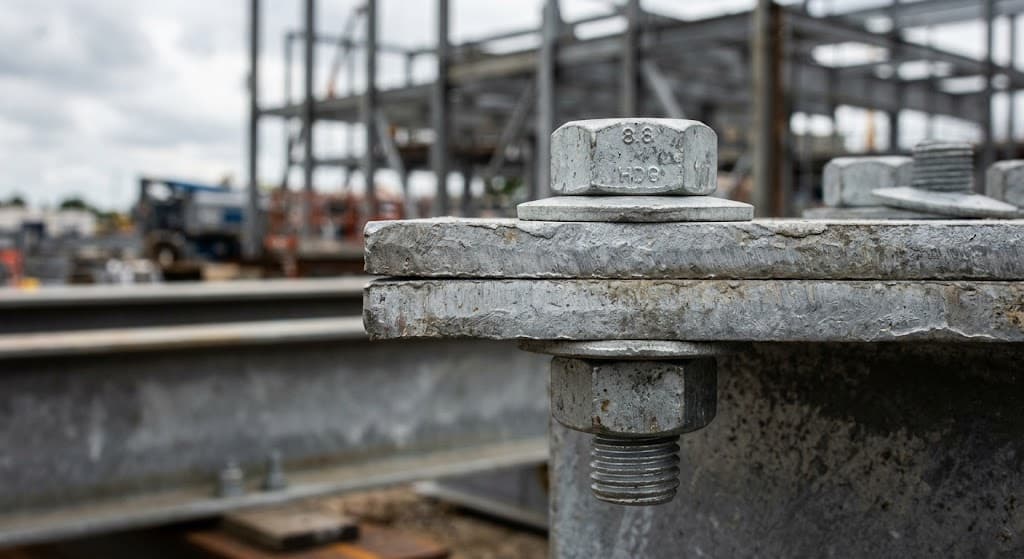
Hot Dip Galvanizing (HDG) is not just a coating; it is a metallurgical reaction. When the steel bolt is submerged in molten zinc at around 450°C, the zinc reacts with the iron to form a series of tightly bonded zinc-iron alloy layers.
Here is why it is essential for the Middle East:
- Exceptional Thickness: A standard HDG coating for fasteners typically exceeds 40 to 50 microns, providing a massive sacrificial barrier against rust.
- Abrasion Resistance: The inner zinc-iron alloy layers produced during hot dip galvanizing are actually harder than the base steel itself. This makes HDG fasteners highly resistant to the constant abrasive impact of desert sandstorms.
- Self-Healing Properties: If the fastener is slightly scratched during heavy construction, the surrounding zinc will act as a sacrificial anode, protecting the exposed steel from rusting.
4. Sourcing Tips for Middle East Procurement Managers
If you are importing fasteners from China for Middle Eastern projects, you must control the details before the goods are loaded into the container.
Specify the Standard Clearly
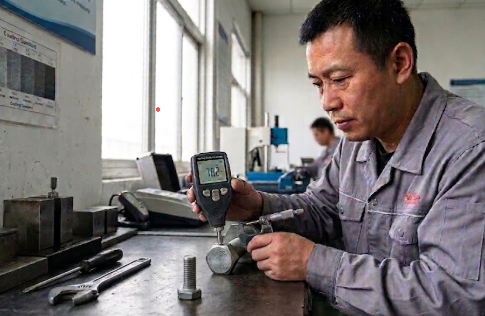
Do not just ask for "HDG". Clearly state international standards in your inquiry, such as ASTM A153, ISO 10684, or DIN EN ISO 1461. This legally binds the supplier to provide the correct coating thickness and process.
Demand Overtapped Nuts
Because the thick zinc coating changes the bolt's thread dimensions, standard nuts will not fit. Ensure your supplier provides overtapped heavy hex nuts and conducts physical thread-fit checks before packing.
Pay Attention to Sea Freight Packaging
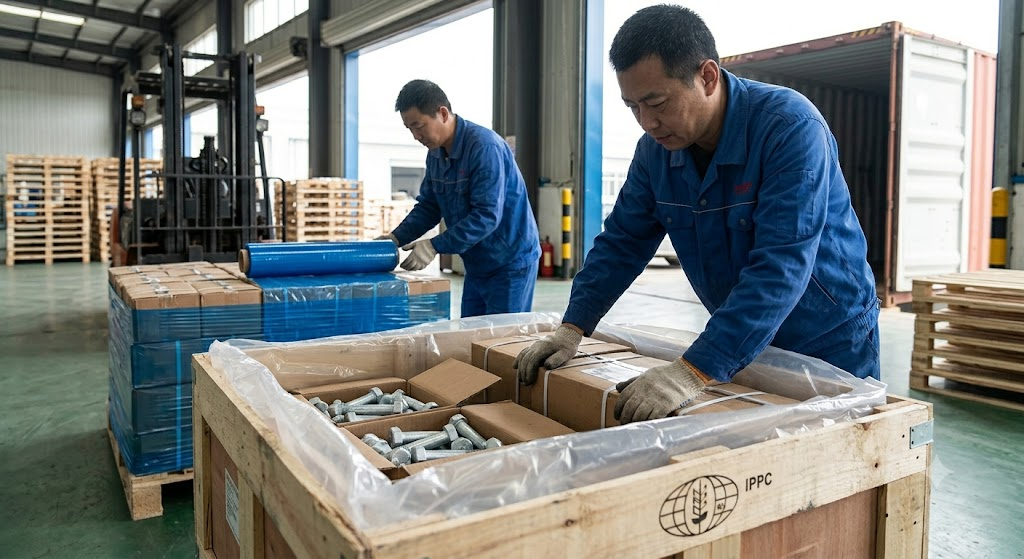
Shipping from China to the Middle East usually takes 15 to 25 days across the ocean. The temperature differences during the voyage can cause "container rain" (heavy condensation inside the shipping container). If fasteners are packed poorly, this moisture reacts with the zinc, causing "white rust" before the container is even opened.
Always request heavy-duty export packing: thick plastic liners inside the cartons, securely strapped onto fumigation-free wooden pallets, and wrapped in stretch film to block moisture.
Summary
For engineering projects in the Middle East, selecting the right fastener coating is a non-negotiable structural requirement. The abrasive sand, high temperatures, and coastal salinity demand the rugged, metallurgically bonded protection of Thick-Coating Hot Dip Galvanizing.
Looking for a Reliable HDG Fastener Source?
Hotop Fasteners is a professional fastener manufacturing base located in China, strictly producing heavy-duty fastening solutions for global infrastructure. We understand the stringent demands of Middle Eastern construction. Whether you need heavy hex structural bolts, U-bolts, threaded rods, or complete matching nut and washer assemblies, our team provides transparent quality control, real factory-direct pricing, and secure export packaging.
Related News
Other news you might be interested in
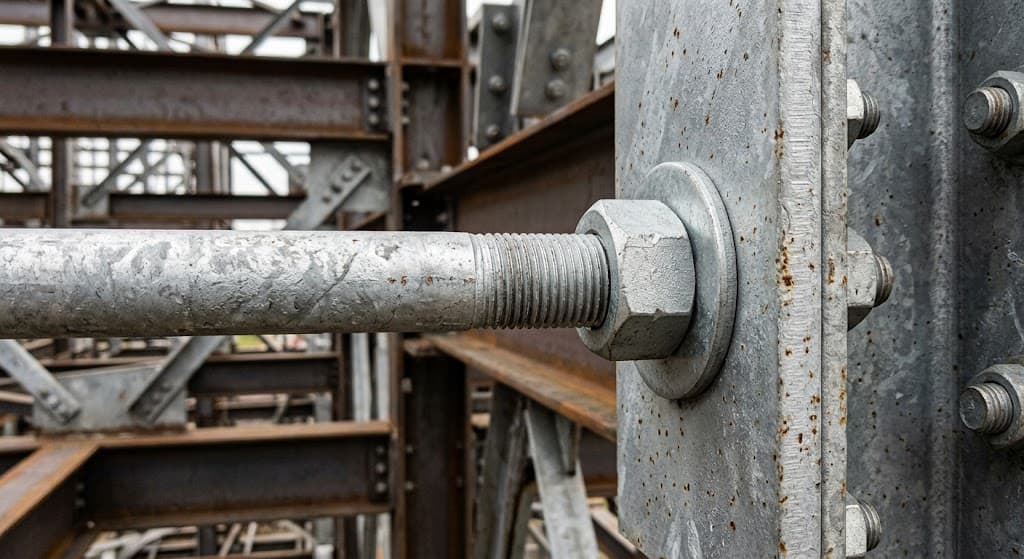
How to Specify Hot Dip Galvanized Tie Rods for Steel Bracing: Diameter, Thread Length and RFQ Checklist
Learn how to specify hot dip galvanized tie rods for steel bracing and tension applications. Check diameter, thread length, coating, matching components and RFQ requirements.
How to Select Hot Dip Galvanized Washers for Steel Structures
Learn how to select hot dip galvanized flat, square and beveled washers for steel structures. Compare washer functions, bolt compatibility, corrosion protection and RFQ requirements.
Want to know more?
Get in touch with us for more information about our services and products.