The Strategic Guide to Industrial Fastener Procurement: Quality, Compliance, and Global Sourcing

Annie Z
AuthorWith over 25 years of experience in fastener production and export sales, we operate our own manufacturing plant and our products are exported to over 50 countries. We are professional experts in bolts, nuts, washers, anchor bolts, and customized fasteners.
Introduction: The Hidden Challenges in Fastener Sourcing
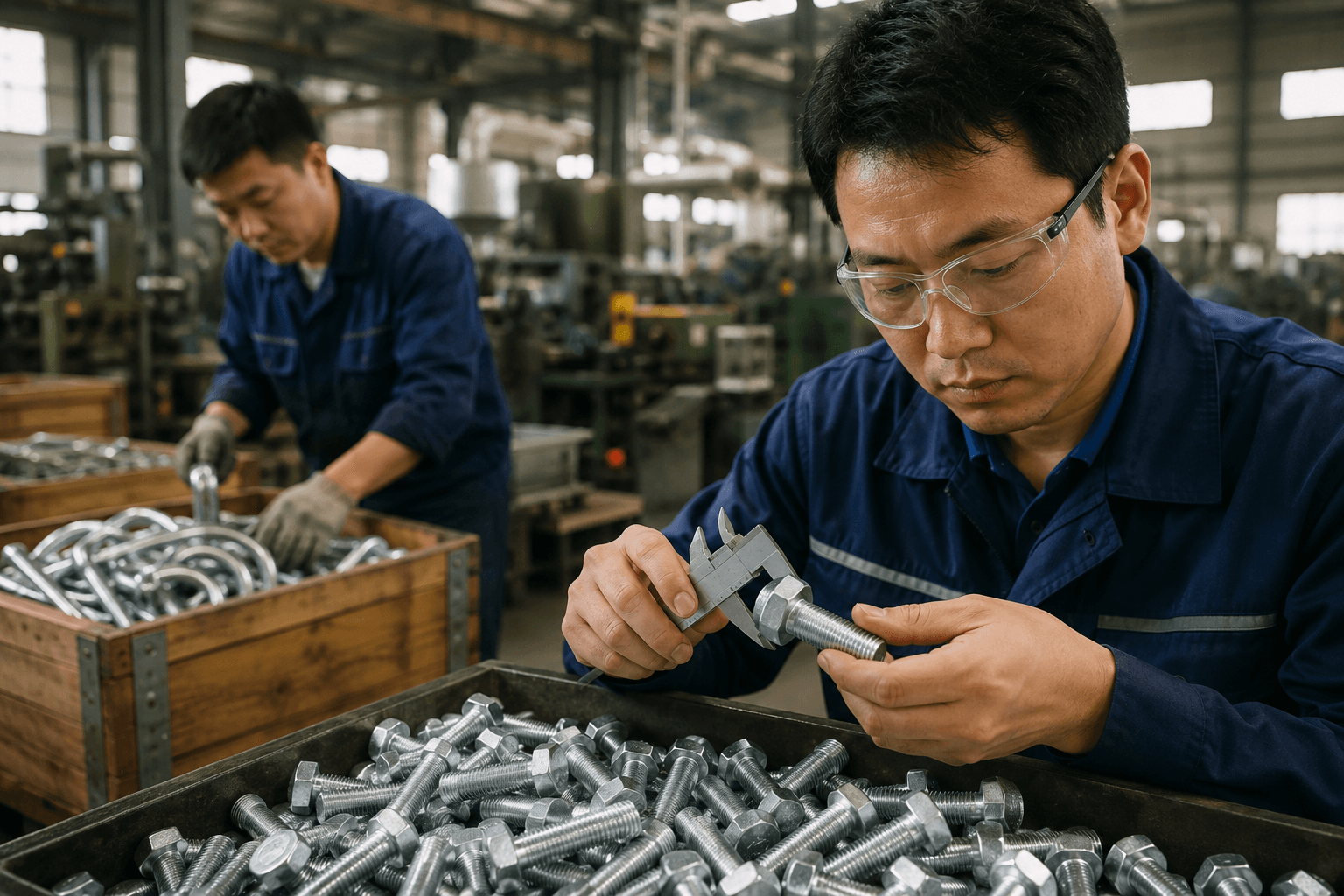
Sourcing industrial fasteners goes far beyond comparing unit prices. For procurement managers and engineers, the real cost of a fastener reveals itself only when a critical joint fails. Today’s manufacturing environment demands more than just a bin of machinery fasteners; it requires a supply chain built on verifiable quality, full material traceability, and zero room for guesswork. The most common pain points we hear from buyers are uncanny in their consistency: a batch of hex bolts that doesn't meet tensile strength specs, an MTC that can't be verified, or a shipment that sits in port while a production line stalls. These aren't just inconveniences—they’re threats to your product's integrity and your brand's reputation. With global supply chain volatility now a permanent factor, mastering the technical side of industrial procurement is the only sustainable way to avoid expensive, preventable failures. Understanding the nuances of standards, materials, and surface treatments is where real sourcing power begins.
The Role of Technical Sourcing and Quality Assurance
True technical sourcing means each threaded fastener is specified with laser focus on its end-use condition. This is not about ticking a catalog number; it’s about matching exact tensile strength requirements, corrosion resistance to a specific chemical environment, and even the thread-forming characteristics needed for an assembly. For any critical infrastructure or machinery component, the Material Test Certificate (MTC) to EN 10204 3.1 is your non-negotiable chain of custody—proof that the melt, the heat treatment, and the mechanical properties are exactly as claimed.
But a certificate alone isn't risk mitigation. Robust quality assurance demands physical validation: in-house tensile testing, salt spray testing to ASTM B117 standards, and microscopic verification of thread geometry after rolling. These are the processes that separate a transactional distributor from a global fastener supplier you can trust for engineering fasteners. Over time, we've learned that partnering with manufacturers that hold ISO 9001 certification and maintain advanced metrology capabilities inside their own facilities dramatically reduces your incoming inspection burden and virtually eliminates line-down situations caused by bad lots.
Essential Fastener Types and Surface Finishing Solutions
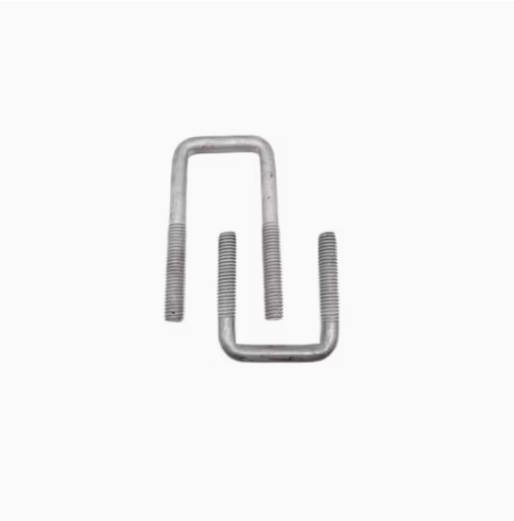
The range of standard fasteners available today is vast, but certain specifications consistently deliver value across demanding sectors. High-strength hex bolts (DIN931/DIN933) in 12.9 grade demand surging for heavy automotive and machinery assemblies, particularly when protected with a black zinc plating that balances cost and moderate corrosion resistance. For outdoor structural connections, hot-dip galvanized U-bolts remain the go-to for infrastructure projects that can't tolerate coating holidays. Where permanent anchoring in concrete is the challenge, wedge expansion anchor bolts with a TiCN coating deliver that high-hardness, low-friction installation and exceptional pull-out strength.
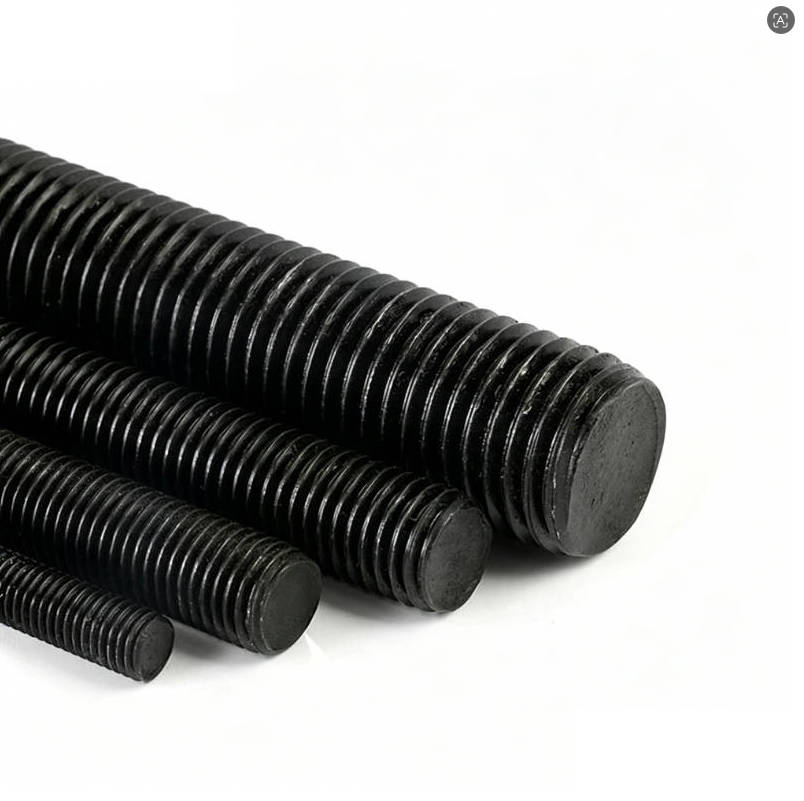
In underground engineering, the demands are extreme: arc tunnel segment bolts must shrug off moisture, soil acidity, and mechanical wear. That’s why dual-coating systems like hot-dip galvanizing plus Dacromet are specified. And across the board, high-volume construction, petrochemical, and rail projects rely on Grade 8.8 full-thread carbon steel fasteners—straightforward, dependable, and widely available. When your design departs from catalog standards, custom fasteners become a strategic lever. We routinely produce cold forged fasteners and precision CNC machined components from custom technical drawings, with flexible MOQs for OEM and ODM projects. And the surface finishing choice is often what turns a good design into a field-proven solution—zinc-nickel coating adoption continues to accelerate because it delivers up to 1,000 hours of salt spray protection without the hydrogen embrittlement risk of traditional cadmium.
Industry Trends Shaping Fastener Procurement
The conversation around manufacturing fasteners is shifting fast. Automated production lines and smart factory workflows are no longer differentiators—they are the baseline for achieving the lot-to-lot consistency that global OEMs demand. At the material level, we see a strong trend toward advanced corrosion resistant fasteners that eliminate the need for supplementary protective layers; systems like PTFE coating and zinc-aluminium flake are redefining what’s possible in harsh chemical settings.
On the commercial side, procurement leaders are reframing their thinking around total supply chain cost rather than piece price. A fastener supplier that can handle global logistics with visibility, consolidate bulk orders, and still offer competitive lead times becomes a direct contributor to your operational resilience. And interestingly, initial discovery and trend-watching have moved to unexpected channels—over 60 percent of industry professionals now use platforms like Instagram to monitor supplier capabilities and emerging nickel plating techniques or new industrial bolts designs before they hit traditional catalogs. Staying ahead means tuning into these signals and partnering with a global fastener supplier that invests proactively in both capacity and coating innovation.
Success Story: How Technical Sourcing Reduced Costs and Improved Quality
A recent example illustrates exactly how this shift plays out. A heavy machinery OEM was hemorrhaging money—not on the purchase price of hex bolts, but on field failures traced to substandard heat treatment and delayed, fragmented shipments from multiple regional stockists. Their average in-plant rework hours were climbing, and warranty claims were beginning to outpace profit on certain product lines.
The turnaround came when they consolidated with a single, certified fastener manufacturer that bundled in-house metallurgical testing and full EN 10204 3.1 documentation with every lot. Immediately, the guesswork disappeared. Defect rates on critical joints dropped by 40 percent within two production cycles. Together, we moved beyond catalog parts: their engineering team provided custom technical drawings, and we dialed in a zinc-nickel coating specification that extended the functional life of their assemblies in moist, corrosive worksites by nearly two years. The combined effect of just-in-time global logistics and zero-defect quality trimmed their overall procurement lead time by 25 percent, and more importantly, freed their engineers to focus on new product development instead of firefighting supplier issues. This is the tangible outcome when industrial procurement is treated as a strategic function, not a transactional one.
Partner with FastenersB2B: Your Global Fastener Supplier
FastenersB2B delivers a complete range from standard fasteners to exotic ODM fasteners, all backed by verifiable quality. Whether you need carbon steel fasteners for mass production, precision CNC machined components for a prototype, or cold forged fasteners with specialized surface finishing, our technical team supports every stage—from reviewing custom technical drawings to validating salt spray testing results and full MTC traceability. With ISO 9001 certified processes and a logistics network geared for bulk orders, we function as your embedded global fastener supplier, optimizing your supply chain so you can build without compromise. Contact our technical sourcing team today for a quote and start transforming your fastener procurement into a genuine competitive advantage.
Related News
Other news you might be interested in
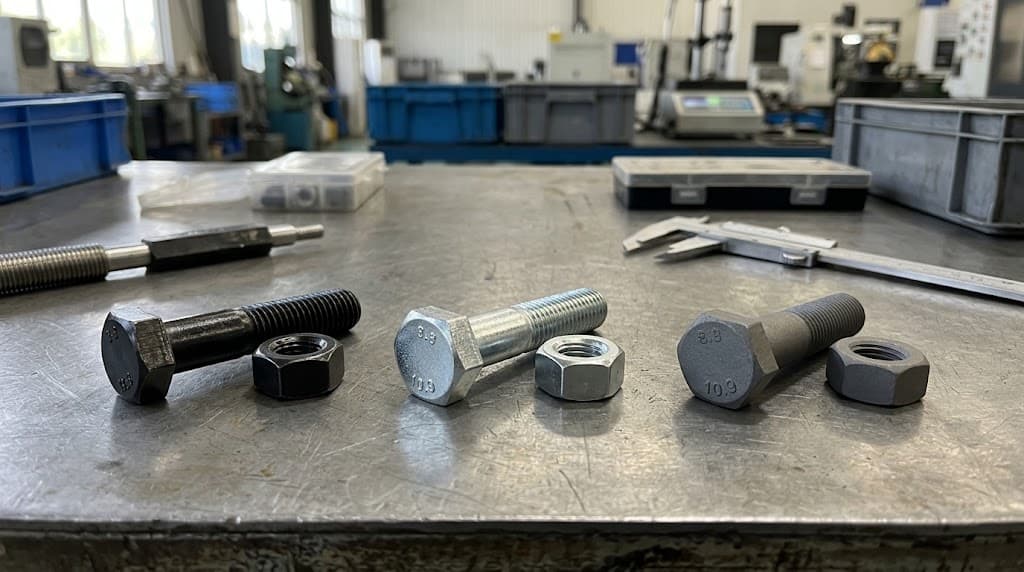
Are Black Oxide Fasteners Suitable for Outdoor Use?
Compare black oxide, electro galvanized, and hot dip galvanized fasteners by corrosion protection, cost, and application. Learn what to specify before requesting a bulk quote.
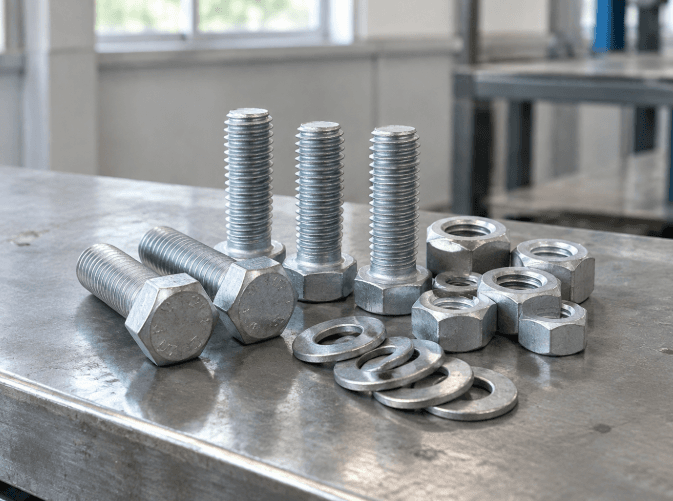
Hot-Dip Galvanized Bolts at Canton Fair 2026: What Bulk Buyers Should Check
Sourcing hot-dip galvanized bolts and nuts for a construction or steel structure project? Learn what bulk buyers should check for standards, grades, coating, thread fit, inspection and supply before placing an order.
Want to know more?
Get in touch with us for more information about our services and products.