The Truth About Anchor Bolt Pull-Out Strength: A Sourcing Guide from a Chinese Manufacturer

Annie Z
AuthorWith over 25 years of experience in fastener production and export sales, we operate our own manufacturing plant and our products are exported to over 50 countries. We are professional experts in bolts, nuts, washers, anchor bolts, and customized fasteners.
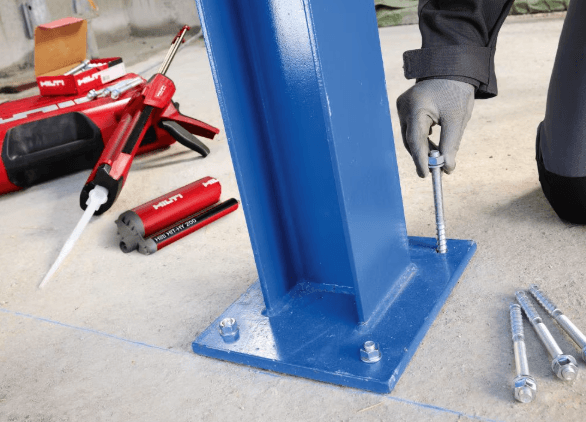
If you are buying heavy-duty concrete anchors—such as Wedge Anchors (Through Bolts) or Heavy-Duty Sleeve Anchors—from China, you are not just buying pieces of steel. You are buying safety.
Whether your anchors are securing a 2-ton steel column to a warehouse floor or mounting heavy HVAC equipment to a ceiling, the only metric that truly matters is the Pull-Out Strength (Tensile Capacity).
A cheap anchor looks exactly the same as a high-quality anchor when it is sitting in a cardboard box. You only find out it’s a fake when you apply torque on the job site and it rips straight out of the concrete. As a direct fastener manufacturer in Handan, China, the Hotop Fasteners engineering team wants to show you exactly how pull-out strength works, why cheap anchors fail, and how we test them in our factory.
1. What Exactly is Pull-Out Strength?
In structural engineering, pull-out strength refers to the maximum axial tension (pulling force) an anchor bolt can withstand before failure occurs. When an anchor fails a pull-out test, it usually happens in one of three ways:
- Anchor Pull-Out (Slip): The anchor loses its grip and slides completely out of the concrete hole. (This is a fastener manufacturing failure).
- Steel Breakage: The steel bolt itself snaps under the tension. (This means the steel grade was too low).
- Concrete Cone Failure: A massive chunk of concrete rips out along with the anchor. (This actually means the anchor did its job perfectly—the anchor was stronger than the concrete itself!).
2. The "Expansion Clip" Secret: Why Cheap Anchors Fail
Here is a dirty secret in the Chinese fastener export market. When overseas buyers force trading companies to drop their prices to impossibly low levels, the supplier has to cut corners.
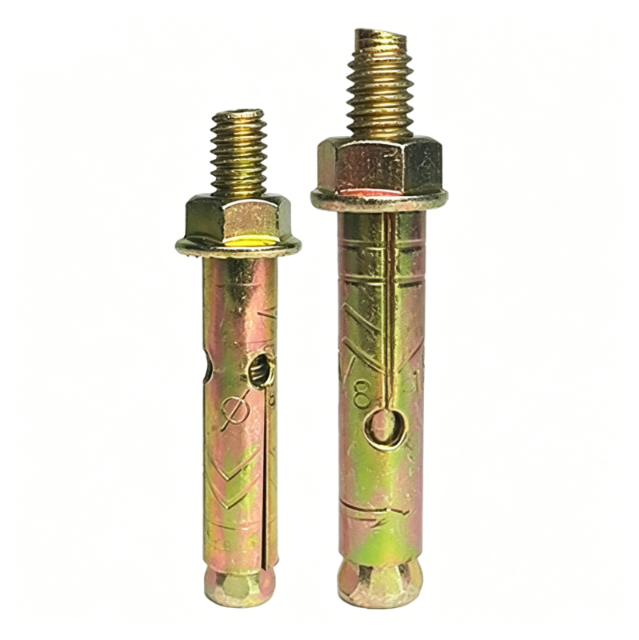
With wedge anchors, the most common way to cut costs is by thinning the expansion clip (the small metal collar near the bottom of the bolt).
When you tighten the nut on a wedge anchor, the bolt pulls upward, forcing the expansion clip to expand and bite aggressively into the concrete walls.
- The Quality Factory Way: At Hotop Fasteners, we stamp our clips from thick, high-quality stainless steel or hardened carbon steel. When expanded, they lock into the concrete like a vault.
- The Cheap Trading Company Way: They use extremely thin, cheap iron for the clip. When the bolt is tightened, the thin clip simply bends, folds, or crushes. It never bites into the concrete. The result? The anchor pulls straight out of the hole with almost zero resistance.
3. Steel Grades: Don't Buy Blind
Pull-out strength isn't just about the clip; it’s about the steel rod itself. For heavy structural applications, the anchor bolt must have high tensile strength to resist breaking.
If you are buying standard ETA-approved style wedge anchors, the bolt body should ideally be forged from carbon steel (like 1035 or 1045 steel) and properly heat-treated to achieve Class 5.8 or Class 8.8 strength.
If your current supplier is using the cheapest mild steel (like Q195) to manufacture heavy-duty anchors, the threads will strip or the bolt will stretch and snap long before it reaches a safe working load.
4. How We Test Pull-Out Strength at Hotop Fasteners
We don't guess our numbers; we destroy steel to prove them. Inside our QC laboratory, we use a heavy-duty Hydraulic Tensile Testing Machine.
- We drill a standard hole into a block of high-PSI reinforced concrete (e.g., C20/C25 concrete).
- We install the wedge anchor and torque it to the exact specified installation torque.
- We connect the hydraulic machine to the bolt head and apply upward pulling force until something breaks.
- The digital readout gives us the exact Kilonewtons (kN) of force required to achieve ultimate failure.
By testing random batches from our production lines, we guarantee that the Working Load Limit (WLL) printed on our specification sheets is mathematically backed by physical destruction tests.
Advice for Overseas Procurement Managers
Next time you are comparing quotes for Wedge Anchors or Sleeve Anchors, don't just look at the price per piece. Ask your Chinese supplier these three questions:
- "What is the thickness of the expansion clip on your M12 wedge anchor?"
- "What carbon steel grade are you using for the main bolt?"
- "Can you send me a raw video of a tensile pull-out test from your factory floor?"
If they cannot answer these questions, you are talking to a middleman who doesn't understand engineering safety.
---
Stop gambling with your construction safety.
At Hotop Fasteners, we manufacture our concrete anchors with thick, aggressive expansion clips and high-tensile steel, backed by real laboratory pull-out data.
We will provide you with a transparent quotation and the physical test reports to back it up.
Related News
Other news you might be interested in
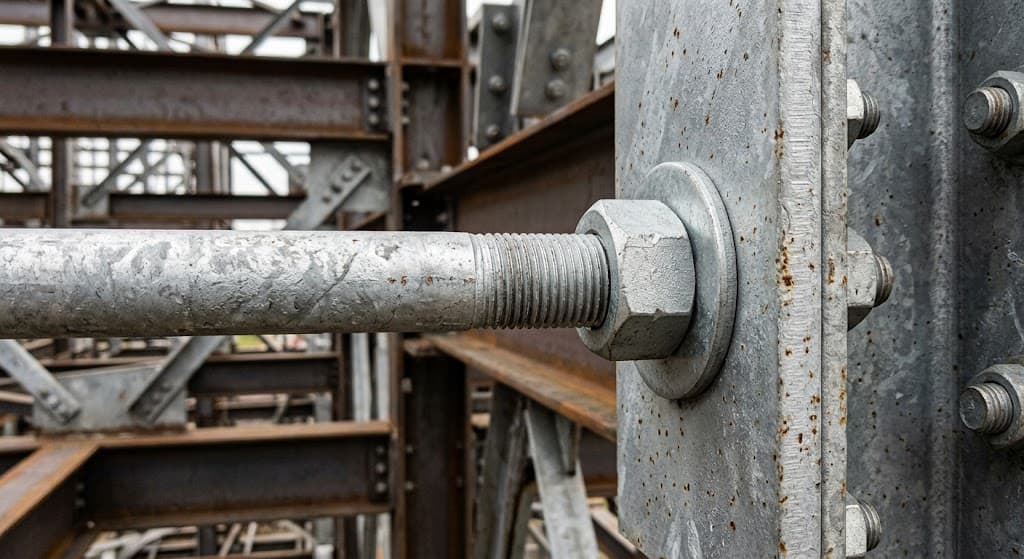
How to Specify Hot Dip Galvanized Tie Rods for Steel Bracing: Diameter, Thread Length and RFQ Checklist
Learn how to specify hot dip galvanized tie rods for steel bracing and tension applications. Check diameter, thread length, coating, matching components and RFQ requirements.
How to Select Hot Dip Galvanized Washers for Steel Structures
Learn how to select hot dip galvanized flat, square and beveled washers for steel structures. Compare washer functions, bolt compatibility, corrosion protection and RFQ requirements.
Want to know more?
Get in touch with us for more information about our services and products.