Wedge Anchor vs Sleeve Anchor for Concrete: Selection and Installation Guide

Annie Z
AuthorWith over 25 years of experience in fastener production and export sales, we operate our own manufacturing plant and our products are exported to over 50 countries. We are professional experts in bolts, nuts, washers, anchor bolts, and customized fasteners.
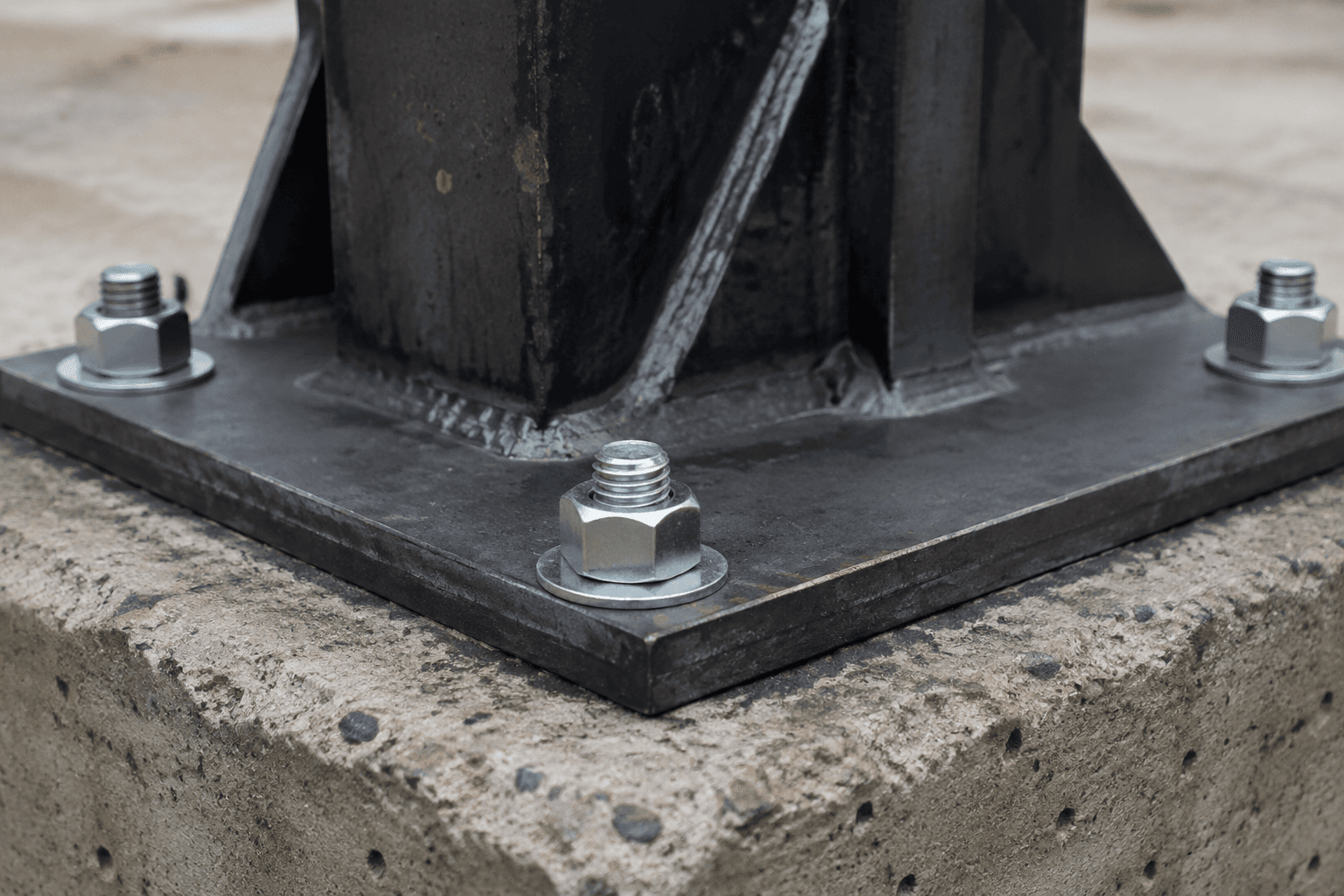
Wedge expansion anchors and sleeve anchors are both mechanical fasteners designed for fixing fixtures to concrete. They are commonly used for steel brackets, base plates, guardrails, machinery supports, handrails, pipe supports and other construction assemblies.
Although both anchor types expand inside a drilled hole, they use different expansion mechanisms and suit different installation conditions. Selecting the right anchor depends on the concrete condition, required load, fixture thickness, installation method, corrosion exposure and project specification.
This guide compares wedge expansion anchors and sleeve anchors to help buyers choose the most suitable concrete fastening solution.
What Is a Wedge Expansion Anchor?
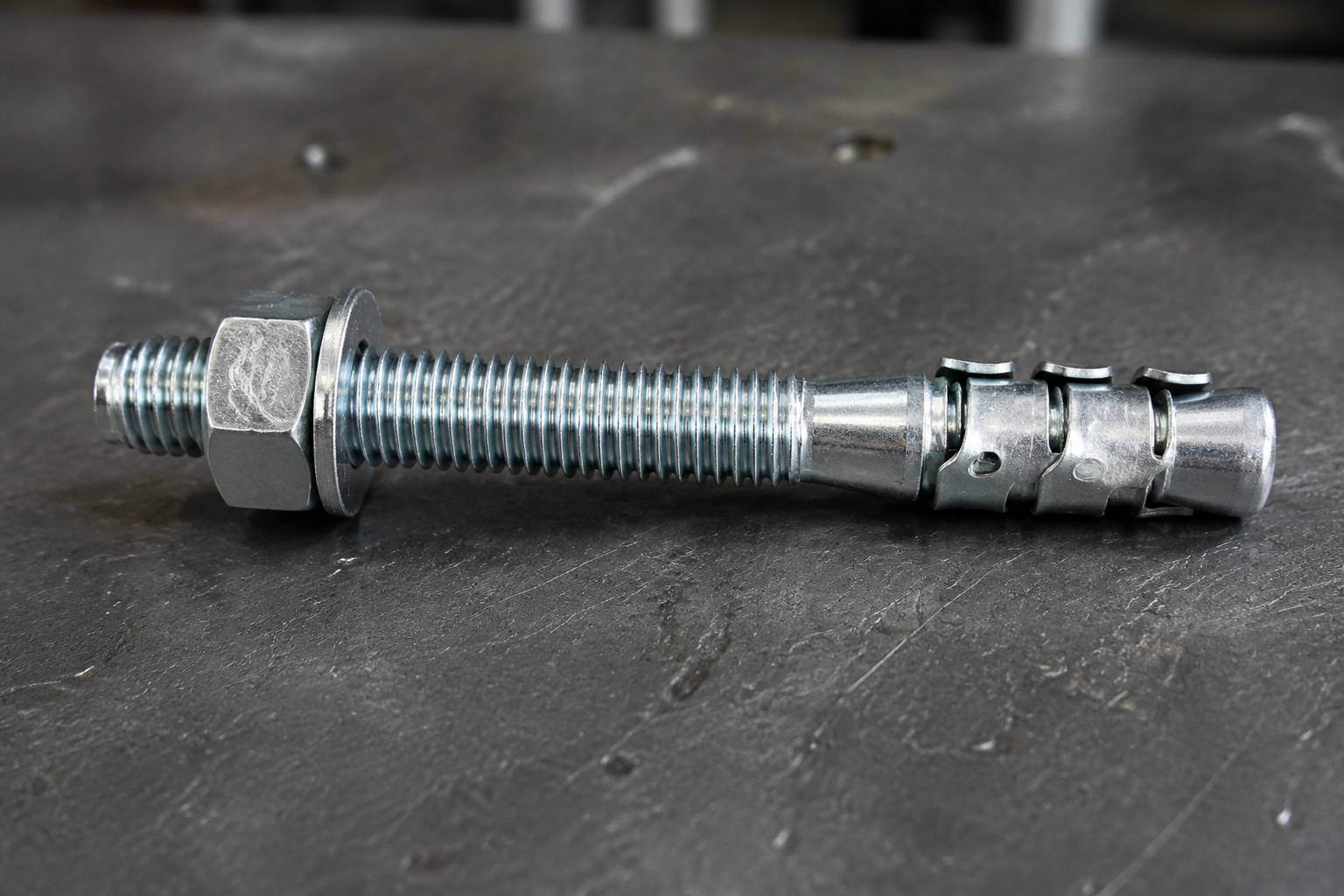
A wedge expansion anchor, also called a wedge anchor or through bolt anchor, is designed for fastening into solid concrete. It typically includes a threaded stud, expansion clip, nut and washer.
After the anchor is inserted through the fixture and into a pre-drilled hole, tightening the nut pulls the tapered end of the anchor into the expansion clip. The clip expands against the wall of the concrete hole, creating a secure mechanical hold.
Wedge anchors are often selected for applications that require strong holding performance in sound, solid concrete. They are commonly used for structural steel connections, equipment bases, racking systems, guardrails and heavy-duty brackets.
For available options, explore our expansion bolt category. A common through-fixing solution is our carbon steel wedge expansion anchor for concrete.
What Is a Sleeve Anchor?
A sleeve anchor is another mechanical anchor used in concrete and masonry applications. Instead of a separate expansion clip, it uses an expansion sleeve around the anchor body.
When the fastener is tightened, the cone-shaped section expands the sleeve against the drilled hole. The sleeve spreads the expansion force over a larger contact area than a typical wedge anchor.
Sleeve anchors can be used for a range of light-duty to medium-duty fixing applications, depending on the anchor design and base material. They are often considered where the fixture material, base material condition or installation situation calls for a more distributed expansion action.
The final anchor selection should always match the project drawing, required load and base material condition.
Wedge Anchor vs Sleeve Anchor: Main Differences
| Comparison Item | Wedge Expansion Anchor | Sleeve Anchor |
|---|---|---|
| Expansion method | Expansion clip grips against the concrete hole wall | Sleeve expands around the anchor body |
| Typical base material | Best suited to solid, sound concrete | Can be considered for concrete and some masonry applications |
| Installation method | Usually installed through the fixture into a drilled concrete hole | Installed in a pre-drilled hole and tightened to expand the sleeve |
| Typical application | Heavy-duty brackets, steel structures, machinery bases and guardrails | General fixtures, brackets, frames and medium-duty fastening |
| Load requirement | Often selected for higher-load concrete applications | Depends on anchor size, sleeve design and base material |
| Hole preparation | Requires correct hole diameter and cleaning | Requires correct hole diameter and installation depth |
| Corrosion consideration | Select coating or stainless material according to exposure | Select coating or stainless material according to exposure |
Both anchor types require a correctly drilled hole. An anchor cannot perform reliably if the hole diameter, embedment depth or installation torque does not match the selected product requirement.
When Should You Choose a Wedge Expansion Anchor?
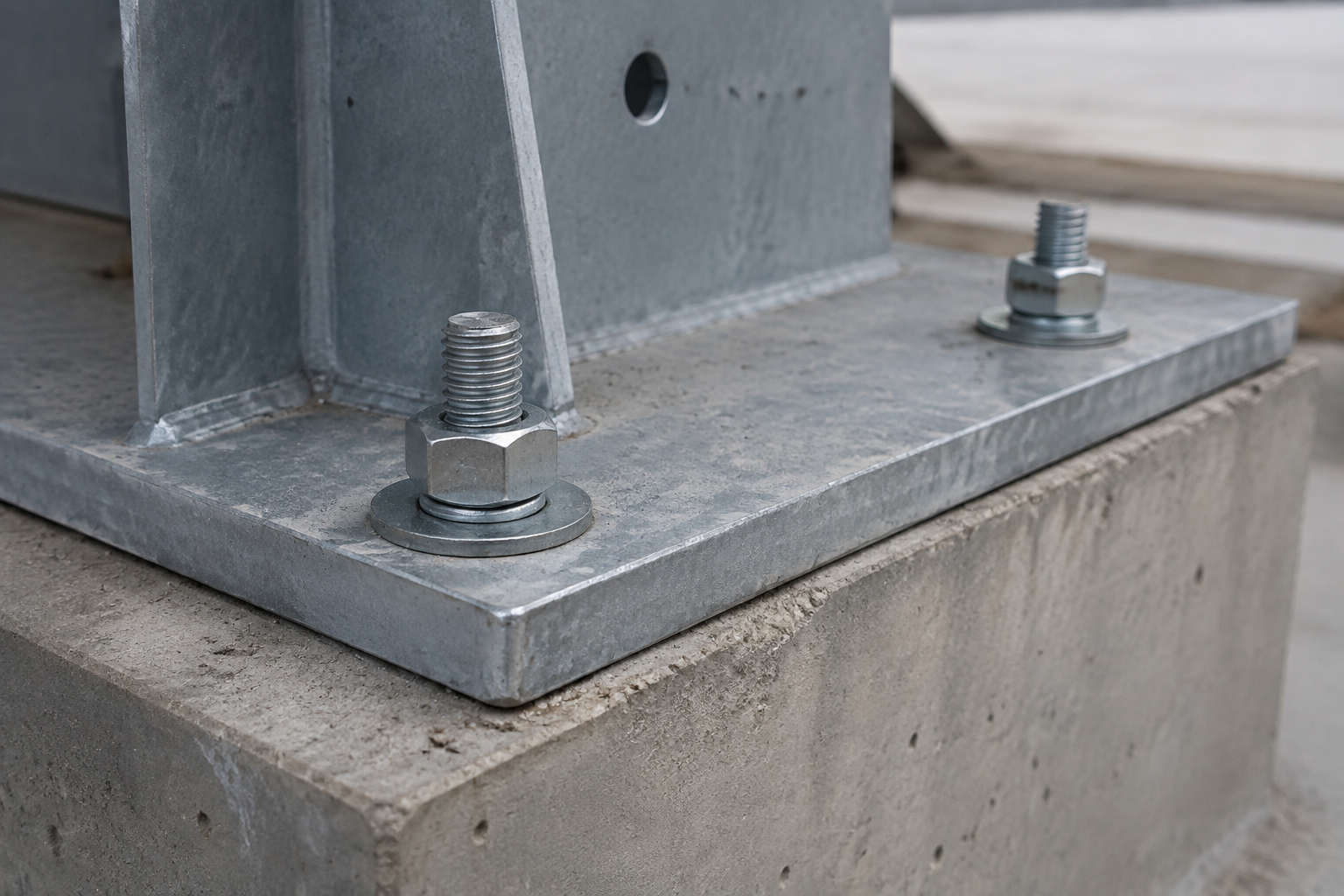
A wedge expansion anchor is often a suitable choice when the application involves solid concrete and a strong mechanical connection is required. It is commonly used where a fixture needs to remain securely fastened under static or structural loading conditions.
Consider a wedge anchor when:
- The base material is sound, solid concrete.
- The fixture is steel, such as a bracket, base plate or support frame.
- The project requires a through-fixing installation method.
- The installation calls for a mechanical anchor with a strong expansion grip.
- The anchor diameter, embedment depth and concrete strength are defined by the project specification.
- The environment requires zinc plated, hot dip galvanized or stainless steel corrosion protection.
For outdoor and corrosion-prone applications, buyers should specify the required finish at the quotation stage. Zinc plated anchors may suit many standard indoor applications, while other coatings or materials may be required for more exposed environments.
When Should You Choose a Sleeve Anchor?
A sleeve anchor may be considered when the installation calls for an anchor with distributed sleeve expansion. It can be useful for fixture types and base material conditions where the anchor design needs to provide a broader expansion action.
Consider a sleeve anchor when:
- The project specification calls for a sleeve-type mechanical anchor.
- The fixing load and base material are suitable for the selected sleeve anchor.
- The fixture has a pre-drilled hole and requires a practical mechanical fixing method.
- The concrete or masonry condition has been evaluated for the application.
- The anchor size, embedment depth and finish have been confirmed.
Anchor selection should never be based only on the product name. The actual required performance depends on the specific anchor diameter, installation depth, concrete condition, fixture geometry and applied load.
Key Factors to Confirm Before Ordering Concrete Anchors
Before requesting a quotation for wedge expansion anchors or sleeve anchors, buyers should prepare the following information.
| Information Required | Why It Is Important |
|---|---|
| Anchor type | Confirms whether a wedge anchor, sleeve anchor or another fastening system is required |
| Anchor diameter and length | Determines the required hole size, fixture fit and embedment arrangement |
| Fixture thickness | Helps confirm the usable anchor length and thread projection |
| Base material | Concrete strength and condition affect anchor suitability |
| Hole diameter and embedment depth | Critical for correct expansion and installation |
| Material and coating | Determines corrosion resistance and application suitability |
| Required quantity | Needed for quotation, production planning and packaging |
| Drawing or installation detail | Helps verify spacing, layout and connection requirements |
| Destination market or port | Supports export packing and delivery planning |
For installations using embedded foundation fasteners rather than post-installed expansion anchors, see How to Specify Hot Dip Galvanized Anchor Bolts for Concrete Foundations. L type and J type anchor bolts are commonly used when the anchor is placed in the concrete foundation before the concrete is poured.
Installation Checks for Expansion Anchors
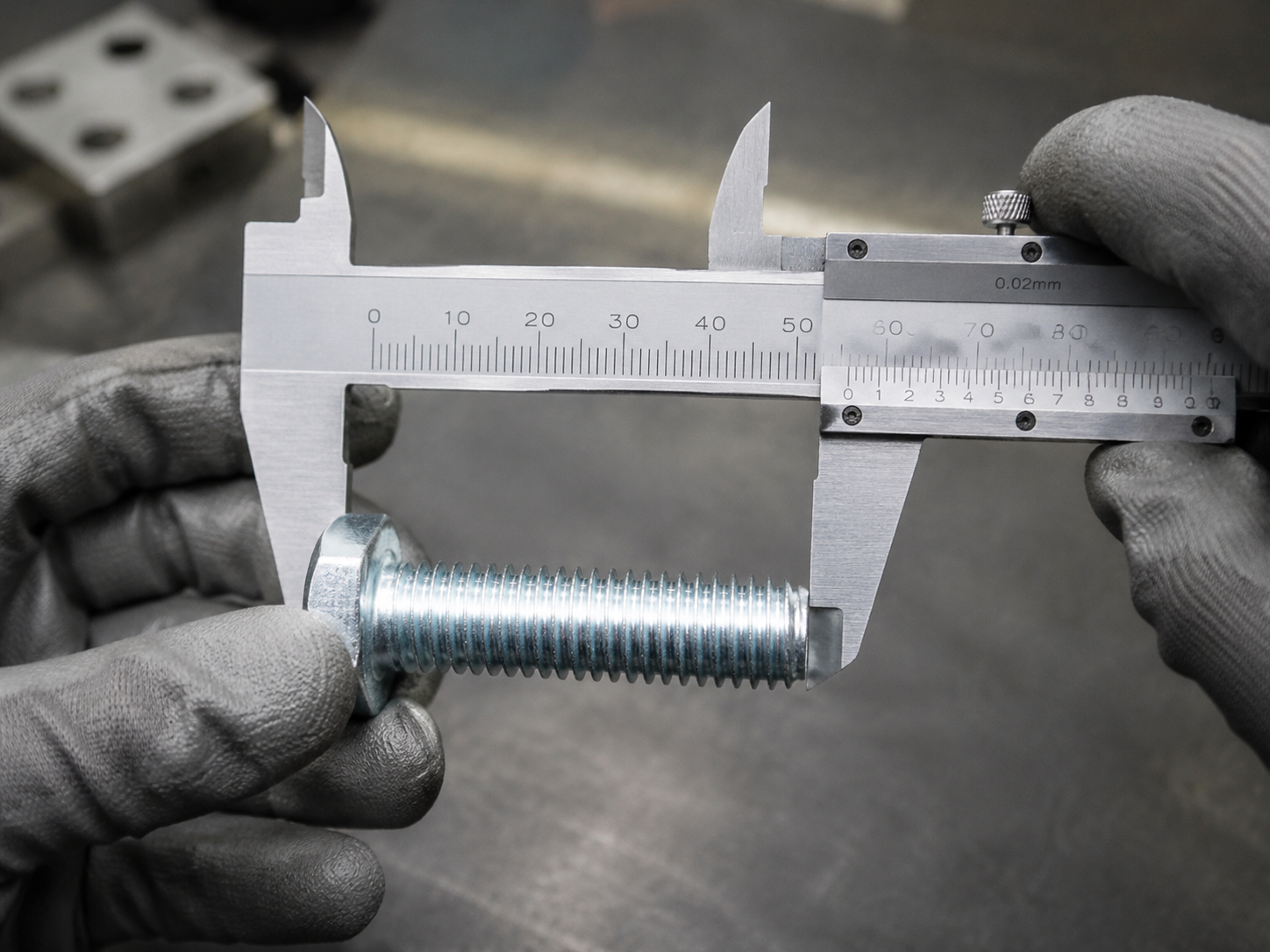
Correct installation is as important as selecting the correct anchor. The following points should be checked before final tightening:
- Drill the hole to the required diameter and depth.
- Remove drilling dust and loose debris from the hole.
- Confirm that the anchor passes through the fixture correctly.
- Check that the anchor reaches the required embedment depth.
- Tighten the nut or bolt according to the applicable installation requirement.
- Do not use damaged, bent or contaminated anchors.
- Check that the selected coating is suitable for the installation environment.
For concrete foundations, the anchor layout should also match the drawing. Incorrect bolt spacing, hole position or fixture alignment can create installation delays even when the selected anchor itself is suitable.
Frequently Asked Questions
1.Are wedge anchors suitable for cracked concrete?
Anchor suitability depends on the specific product, approved application and project requirement. Buyers should select an anchor based on the concrete condition and the relevant engineering specification.
2.Can wedge expansion anchors be used outdoors?
Yes, provided that the anchor material and finish are suitable for the expected corrosion environment. State the coating or material requirement when requesting a quotation.
3.What is the difference between an expansion anchor and an embedded anchor bolt?
An expansion anchor is installed into an existing drilled hole in concrete. An embedded anchor bolt, such as an L bolt or J bolt, is placed into the foundation before concrete is poured.
4.What details are needed for a wedge anchor quotation?
Please provide the anchor type, diameter, length, material, required finish, quantity, fixture thickness and destination port. Installation drawings or project specifications are helpful for confirming the correct option.
---
To receive an accurate quotation for wedge expansion anchors or other concrete fastening products, please send the required anchor type, diameter, length, material, surface finish, quantity and destination port.
Related News
Other news you might be interested in
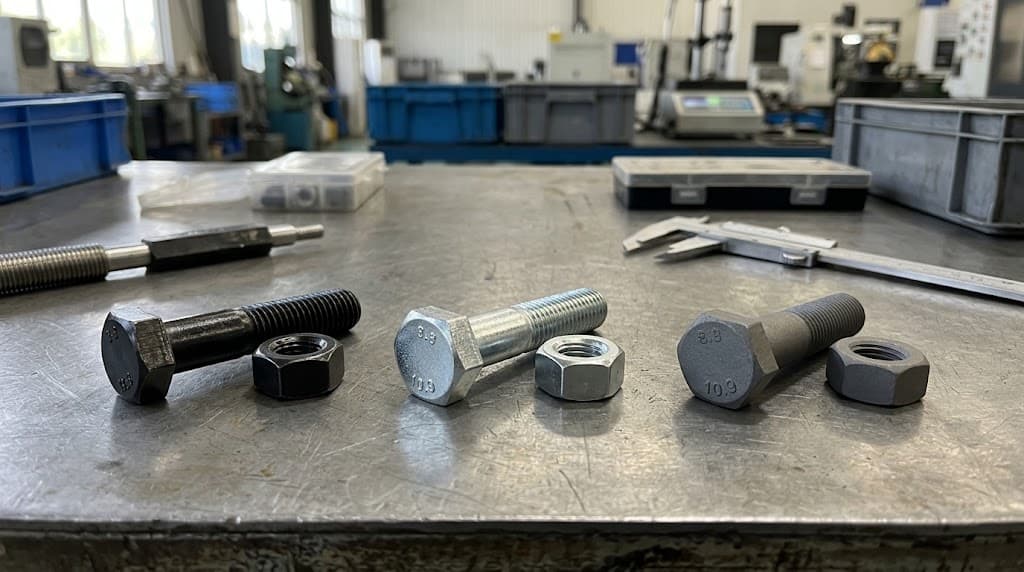
Are Black Oxide Fasteners Suitable for Outdoor Use?
Compare black oxide, electro galvanized, and hot dip galvanized fasteners by corrosion protection, cost, and application. Learn what to specify before requesting a bulk quote.
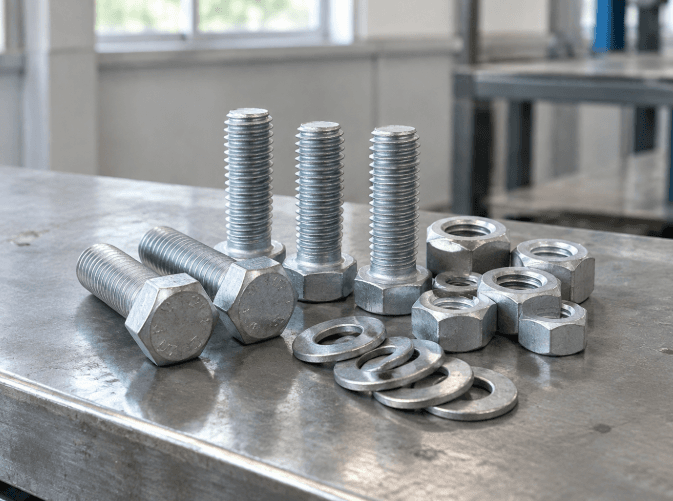
Hot-Dip Galvanized Bolts at Canton Fair 2026: What Bulk Buyers Should Check
Sourcing hot-dip galvanized bolts and nuts for a construction or steel structure project? Learn what bulk buyers should check for standards, grades, coating, thread fit, inspection and supply before placing an order.
Want to know more?
Get in touch with us for more information about our services and products.