What Fasteners Should I Use for My Bolted Flange Connection?

Annie Z
AuthorWith over 25 years of experience in fastener production and export sales, we operate our own manufacturing plant and our products are exported to over 50 countries. We are professional experts in bolts, nuts, washers, anchor bolts, and customized fasteners.
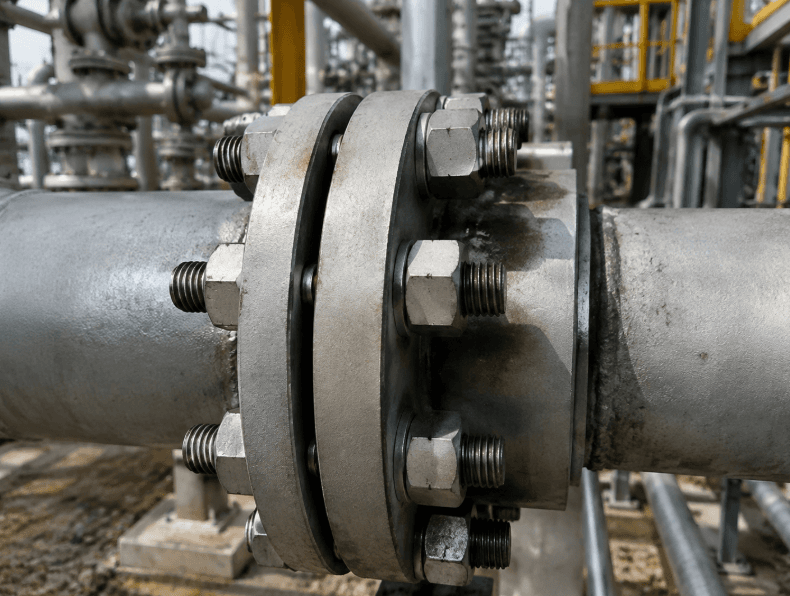
Selecting the correct fasteners is important when assembling a bolted flange connection. The bolt or stud must provide sufficient clamping force while working properly with the flange, gasket, nut, and service environment.
For many industrial flange assemblies, stud bolts with nuts are commonly used because they can be installed from both sides of the flange and are easier to remove during maintenance. However, the correct fastener depends on the flange standard, pressure and temperature requirements, material compatibility, corrosion conditions, and project specification.
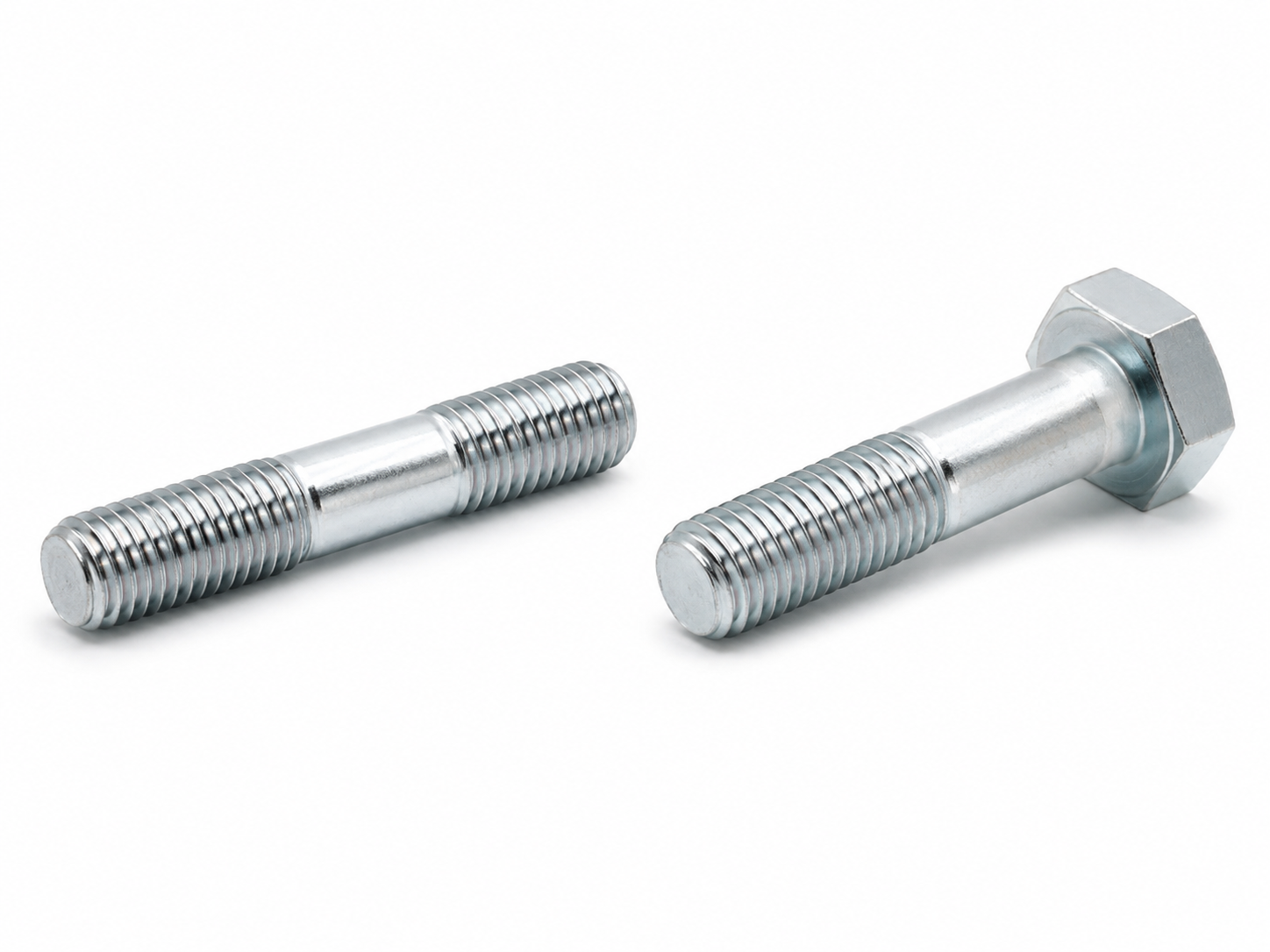
Stud Bolts or Hex Head Bolts?
For flange connections, stud bolts are often preferred over standard hex head bolts.
A double‑ended stud bolt normally has threaded sections at both ends. One end is installed into the flange or equipment connection, while the other end is secured with a nut.
Stud bolts are commonly used for:
- Pipe flange connections
- Valves and pumps
- Pressure equipment
- Industrial pipelines
- Machinery assemblies
- Heat exchangers
- Equipment maintenance
- Structural and mechanical connections
Hex head bolts may be suitable for general equipment assembly, brackets, and accessible connections. However, the space around a flange may make a standard bolt difficult to install or remove. The final choice should follow the equipment drawing and applicable engineering specification.
Main Fastener Options for Flange Connections
| Fastener | Common Use | Important Selection Points |
|---|---|---|
| Carbon steel stud bolts | General industrial and mechanical connections | Strength grade, thread size, coating |
| ASTM A193 B7 stud bolts | Selected high‑temperature or industrial applications | Material specification and project standard |
| 304 stainless steel studs | General corrosion‑resistant applications | Material, strength class, environment |
| 316 stainless steel studs | Humid, chemical, or chloride‑related environments | 316/A4 material and required strength class |
| Hex nuts | Used with stud bolts and bolts | Thread match and material compatibility |
| Flat washers | Load distribution and surface protection | Diameter, thickness, and application |
| Heavy hex nuts | Industrial and flange assemblies | Matching bolt diameter and strength |
How to Choose the Fastener Material?
The fastener material should be selected according to the working environment and design requirements.
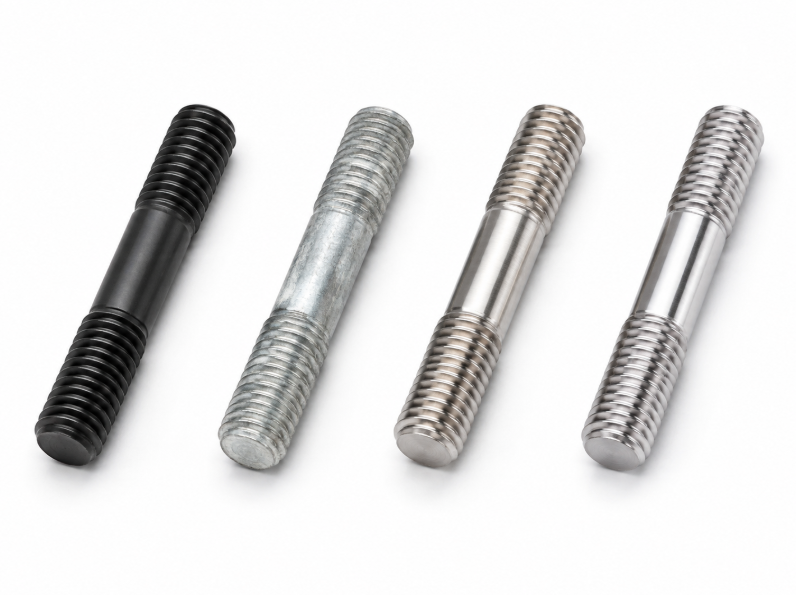
Carbon steel stud bolts are commonly used for general industrial assemblies, machinery, equipment, pipelines, and structural connections. They may be supplied with plain, zinc, black, or hot‑dip galvanized finishes depending on the environment.
304 stainless steel fasteners are often selected where general corrosion resistance and a clean surface are required.
316 stainless steel fasteners contain molybdenum and are commonly considered for applications involving humidity, chemicals, salt exposure, water treatment, and some coastal or industrial environments.
For high‑temperature, high‑pressure, or process equipment, the material and strength must follow the relevant project or equipment specification. A stainless steel fastener should not be selected only because it has better corrosion resistance.
Do the Nuts and Studs Need to Match?
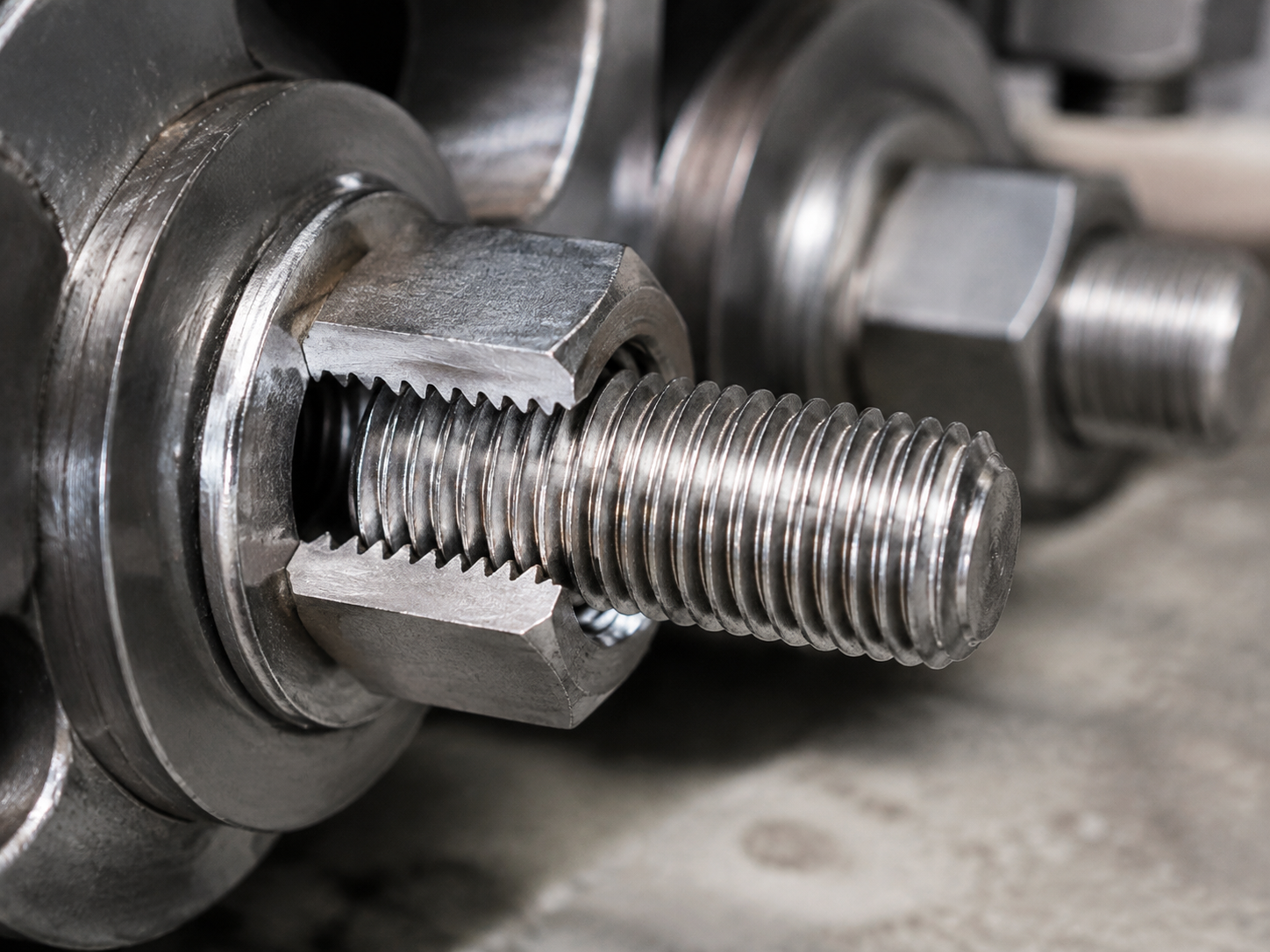
Yes. The stud bolt and nut should match in:
- Diameter
- Thread pitch
- Thread form
- Material
- Strength requirement
- Surface finish, where applicable
A mismatch may cause poor thread engagement, installation difficulty, or damage to the threads.
For stainless steel flange connections, using compatible stainless steel nuts and washers can help maintain consistent corrosion performance. For carbon steel assemblies, the nut grade and coating should be suitable for the stud bolt and service environment.
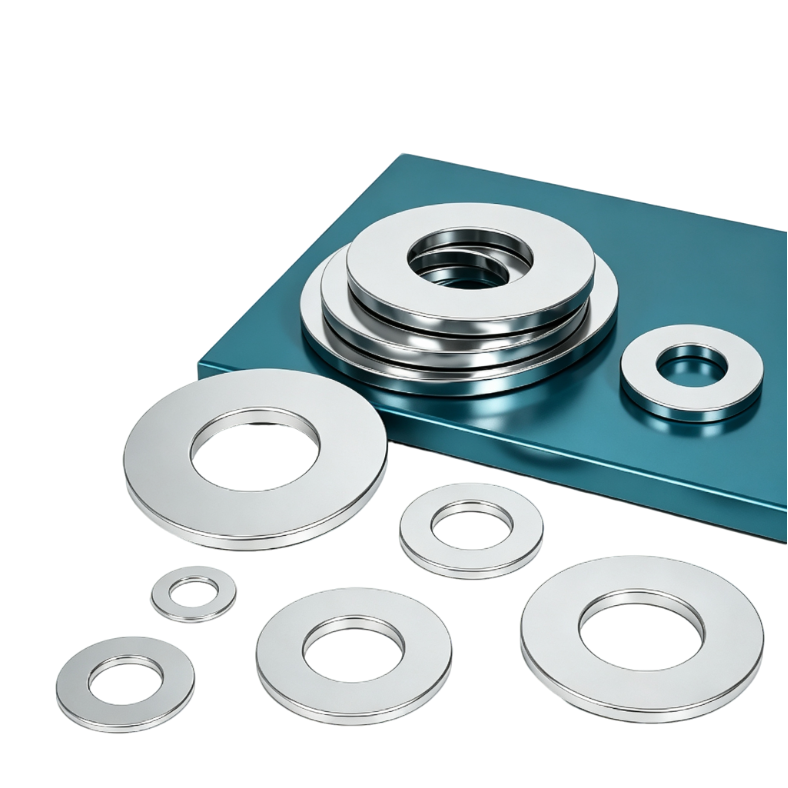
What About Washers?
Washers are not required in every flange connection, but they may be used to distribute the load, protect the flange surface, or improve contact between the nut and the assembly.
The buyer should confirm:
- Washer inner diameter
- Outer diameter
- Thickness
- Material
- Hardness or strength requirement
- Compatibility with the nut and stud bolt
The washer should not interfere with the flange, gasket, or tightening space.
Thread and Size Requirements
Before ordering flange fasteners, buyers should confirm:
- Stud bolt diameter
- Overall length
- Thread pitch
- Thread length on each end
- Thread standard
- Nut size
- Number of fasteners per flange
- Flange standard
- Gasket type
- Temperature and pressure conditions
When Should You Use 316 Stainless Steel Stud Bolts?
316 stainless steel double‑ended stud bolts may be considered for:
- Water treatment equipment
- Chemical processing equipment
- Pumps and valves
- Food processing machinery
- Outdoor industrial equipment
- Stainless steel pipe systems
- Humid production areas
- Maintenance and replacement applications
The suitability of 316 stainless steel depends on the actual chemical medium, temperature, chloride concentration, and design requirements. It should not be promoted as a universal solution for every corrosive environment.
---
Hotop Fasteners supplies steel and stainless steel stud bolts, including DIN, ISO, ANSI, and customer‑specified options for industrial fastening and equipment assembly.
Hotop Fasteners supplies double‑ended stud bolts, stainless steel stud bolts, carbon steel stud bolts, nuts, and washers for pipeline contractors, valve manufacturers, machinery companies, equipment suppliers, and industrial distributors.
We can help you confirm a suitable fastener combination for your bolted flange connection.
Related News
Other news you might be interested in
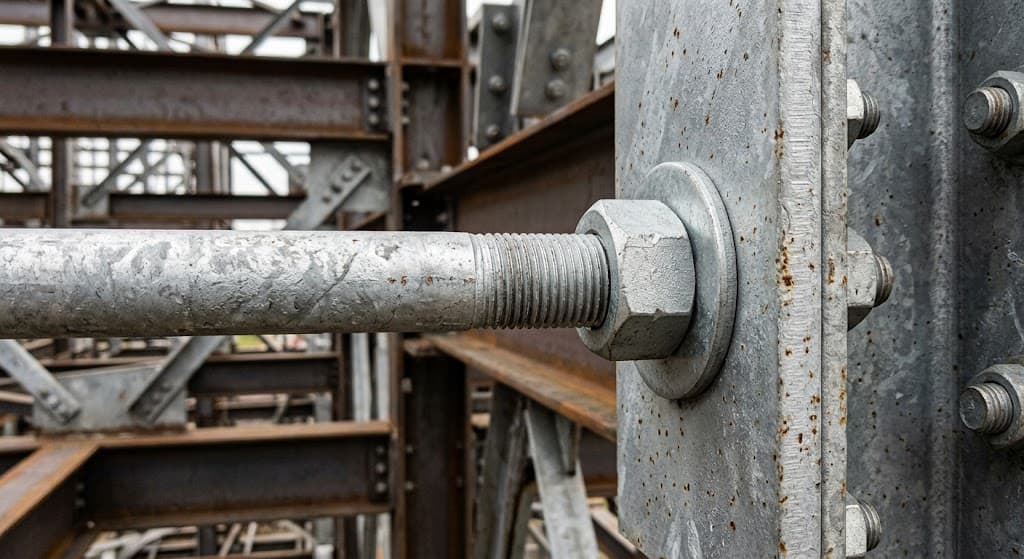
How to Specify Hot Dip Galvanized Tie Rods for Steel Bracing: Diameter, Thread Length and RFQ Checklist
Learn how to specify hot dip galvanized tie rods for steel bracing and tension applications. Check diameter, thread length, coating, matching components and RFQ requirements.
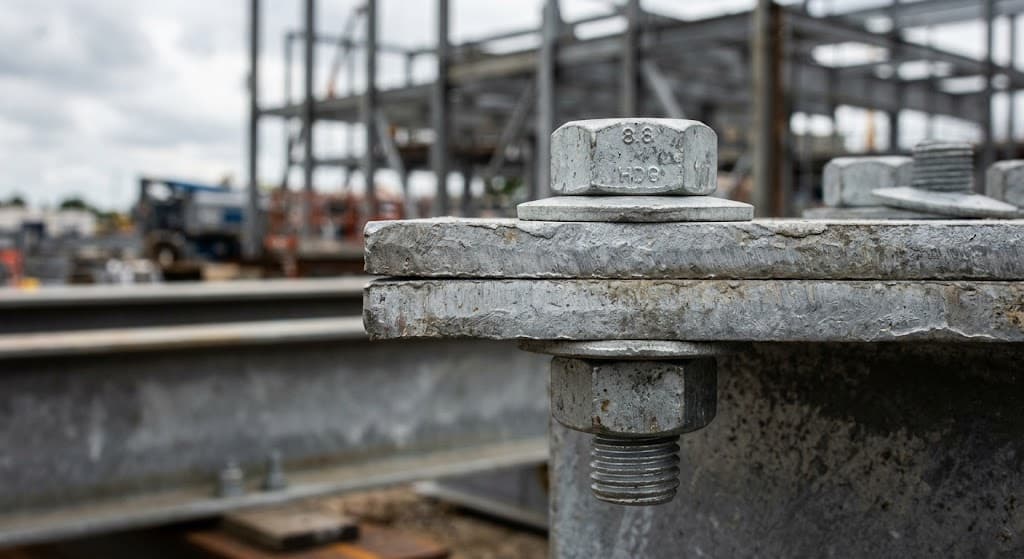
How to Select Hot Dip Galvanized Washers for Steel Structures
Learn how to select hot dip galvanized flat, square and beveled washers for steel structures. Compare washer functions, bolt compatibility, corrosion protection and RFQ requirements.
Want to know more?
Get in touch with us for more information about our services and products.