Anchor Bolt Types: Cast-In vs Post-Installed Anchors

Annie Z
AuthorWith over 25 years of experience in fastener production and export sales, we operate our own manufacturing plant and our products are exported to over 50 countries. We are professional experts in bolts, nuts, washers, anchor bolts, and customized fasteners.
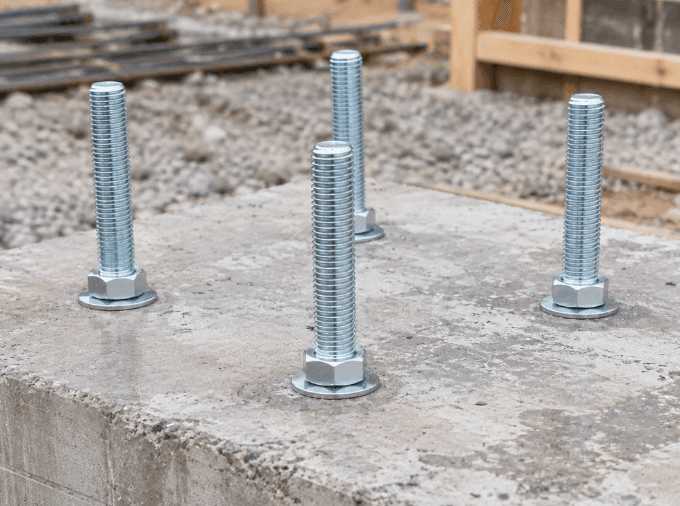
Anchor bolt types fall into two broad groups: cast-in anchors positioned before concrete is poured, and post-installed anchors fitted into hardened concrete. Cast-in arrangements include bent J- and L-bolts, headed anchors, and rods with specified anchor plates. Post-installed options include wedge, sleeve, screw, and adhesive anchoring systems.
The first question is therefore when and how the anchor will be installed, rather than which shape looks strongest. Once the anchoring system is identified, its dimensions, material and installation requirements can be checked against the project detail.
Anchor Bolt Types at a Glance
| Anchor type | Installation group | Identifying feature | Detail to confirm |
|---|---|---|---|
| J-bolt or L-bolt | Cast-in | A hooked or bent end is embedded in the concrete | Hook or bend geometry and orientation |
| Headed anchor bolt | Cast-in | A forged head forms the embedded end | Head dimensions and specified embedment |
| Anchor rod with a plate and nut arrangement | Cast-in, when detailed for that use | A specified plate and nut arrangement forms the embedded end | Plate dimensions, position and nut arrangement |
| Wedge anchor | Post-installed | A stud uses an expansion clip near its lower end | Exact product, concrete suitability and embedment |
| Sleeve anchor | Post-installed | An expansion sleeve surrounds the anchor body | Permitted base material and fixture thickness |
| Concrete screw anchor | Post-installed | A purpose-designed thread engages the drilled base material | Specified drill diameter and installation requirements |
| Adhesive anchor system | Post-installed | A specified rod or insert works with an anchoring adhesive | Approved component combination and installation conditions |
Product names vary between markets. A description such as “foundation bolt,” “anchor rod” or “concrete bolt” should therefore be checked against a drawing or an exact product reference.
Cast-In Anchor Bolts: Identify the Embedded End
Cast-in anchor bolts are positioned before concrete is poured. The drawing must define both the embedded anchorage and the exposed connection above the foundation.
J-bolts and L-bolts use a hook or bend at the embedded end. The letters describe the general profiles, not complete manufacturing drawings. Bend radius, leg dimensions, orientation and tolerances still need to be specified. Neither shape has a universal strength advantage.
Headed anchor bolts have a forged head at the embedded end. A head and a bent hook are different anchorage details; matching the thread diameter does not make them direct substitutes.
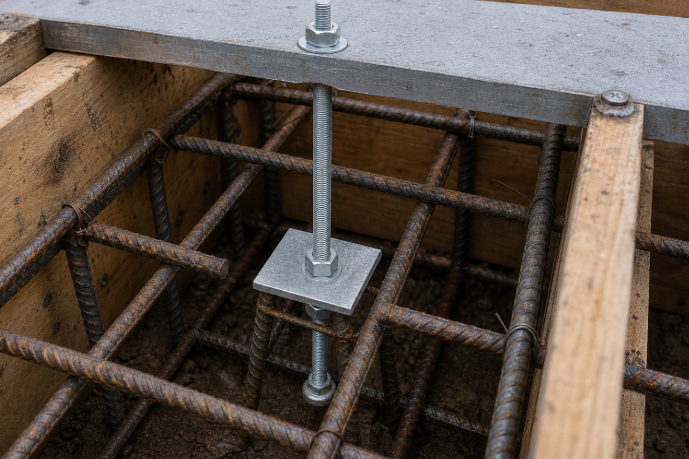
Rods with anchor plates use a plate and nut arrangement defined by the project detail. A piece of threaded rod is not a complete plate-anchor specification. The plate size, thickness, location and fastening arrangement also matter.
For a closer look at the bent profiles, see the existing J-type anchor bolt and L-type foundation bolt listings. Use the approved project detail to confirm the required configuration and supply scope.
The separate HDG anchor bolt specification guide for concrete foundations covers J/L geometry, projection, galvanizing and enquiry details in more depth.
Post-Installed Anchors: Identify the Complete System
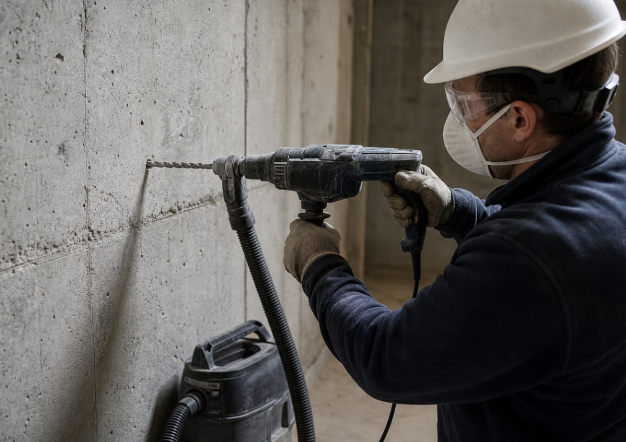
Post-installed anchors are fitted into hardened concrete. They are not simply cast-in rods installed later: the anchoring mechanism and the product's installation requirements are different.
Wedge and sleeve anchors develop their fixing through mechanical expansion. They should be identified by the actual product rather than a broad description such as “expansion bolt.” Concrete condition, permitted base materials, embedment, fixture thickness and installation requirements vary by product. The existing wedge anchor vs sleeve anchor comparison explains those two families separately.
Concrete screw anchors use a purpose-designed thread that engages the drilled base material. They are not ordinary bolts that are driven into concrete. Follow the drilling, installation, and any allowed reuse requirements of the selected product.
Adhesive anchors combine a specified rod or insert with an anchoring adhesive. The rod, adhesive, substrate, and installation conditions must be considered together. The adhesive name and rod diameter alone cannot establish a suitable combination.
A cast-in hook, a wedge anchor and an adhesive anchor with the same nominal diameter are different systems. The proposed changes between them require project review, rather than approval based solely on diameter or available inventory.
How Anchor Bolt Sizes Differ Between Types
Anchor bolt sizes need to be read in the context of the selected anchor. Diameter and length are important, but the same two numbers do not describe every anchoring system.
| Dimension or designation | Cast-in anchor detail | Post-installed anchor detail |
|---|---|---|
| Diameter and thread | Rod or thread designation, with the required thread system | Product size and thread designation where applicable |
| Length | Defined measurement datums; bent profiles need an explicit convention | Manufacturer's product length and permitted fixture arrangement |
| Embedment | Embedded dimension and reference points shown on the project drawing | Specified embedment for the selected product and application |
| Exposed connection | Projection, thread length, plate, grout, nuts and washers | Fixture thickness and required exposed fastening arrangement |
| Anchoring geometry | Hook, head or plate dimensions | Product-specific expansion, screw or bonded anchoring detail |
For example, “M20 anchor bolt” identifies a nominal metric thread diameter, but leaves the anchor type, length, material and anchoring detail unresolved. It also does not identify a drilling diameter for a post-installed system.
Keep overall length, embedment and projection separate. Do not use a generic diameter-to-embedment multiplier or transfer drilling dimensions from one anchor family to another. Use project drawings and technical information of the selected product.
Shape, Material Grade and Finish Are Separate Decisions
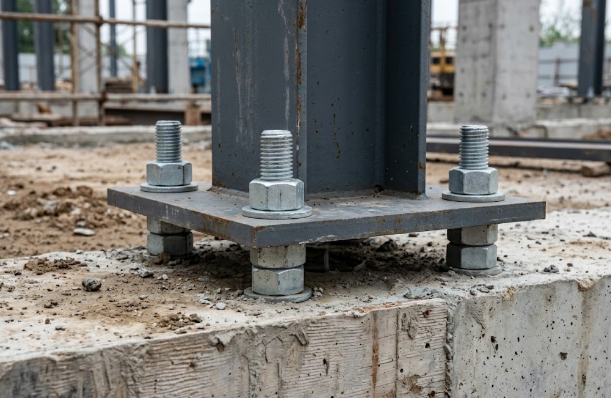
“L-shaped,” “high strength” and “galvanized” describe different aspects of an anchor. None of these terms is a complete anchor bolt specification on its own.
A drawing can specify a particular shape, material grade and coating requirement. Anchors with the same shape may still have different materials or surface treatments. Similarly, hot-dip galvanized surfaces cannot identify anchoring mechanisms, nor can they prove their suitability for every exposure condition.
For HDG cast-in anchors, confirm the specified nut and washer arrangement and thread fit. For post-installed systems, check the surface treatment and components covered by the selected product's technical information; do not assume that applying different coatings will keep the system unchanged.
Resolve the Anchor Type Before Comparing Quotations
Start with the approved drawing or exact anchor reference. Establish whether the connection uses a cast-in hook, head or plate arrangement, or a particular post-installed system. Then compare the dimensions, material, finish and included components on the same basis.
If the drawing only says “anchor bolts,” ask for the missing anchoring detail before treating different offers as equivalent. A photograph may help identify a family, but it does not replace the specified dimensions or performance requirements.
To discuss a supply enquiry with Hotop Fasteners, send the drawing or anchor reference, together with the required dimensions, material, finish and quantity. Ask for confirmation of the proposed product and supply scope against those requirements.
Related News
Other news you might be interested in
A2-70 vs A4-80 Stainless Steel Bolts: Differences and Substitution Checks
Compare A2-70 and A4-80 stainless steel bolts by grade and property class. Check strength values, substitution approval, corrosion exposure and mating parts.
Bolt Markings & Lot Traceability Checklist
Check bolt markings, package labels, lot references and test reports at receipt. Follow the identification chain and resolve documentation discrepancies.
Want to know more?
Get in touch with us for more information about our services and products.