How to Prevent White Rust on Hot Dip Galvanized Fasteners During Sea Freight

Annie Z
AuthorWith over 25 years of experience in fastener production and export sales, we operate our own manufacturing plant and our products are exported to over 50 countries. We are professional experts in bolts, nuts, washers, anchor bolts, and customized fasteners.
In international B2B fastener procurement, producing a high-quality bolt is only half the job. The other half is ensuring it survives the ocean.
Fasteners are extremely high-density cargo. A single 20-foot shipping container can easily hold 24 to 26 tons of steel. During a 15 to 45-day sea voyage, these heavy steel components face two severe threats: White Rust caused by extreme moisture, and Thread Damage caused by the physical shock of ocean waves.
For importers, receiving a container of rusted or physically damaged bolts means immediate project delays and financial losses. This guide explains the realities of sea freight risks and how proper export packaging prevents them.
Threat 1: "Container Rain" and White Rust
What is White Rust?
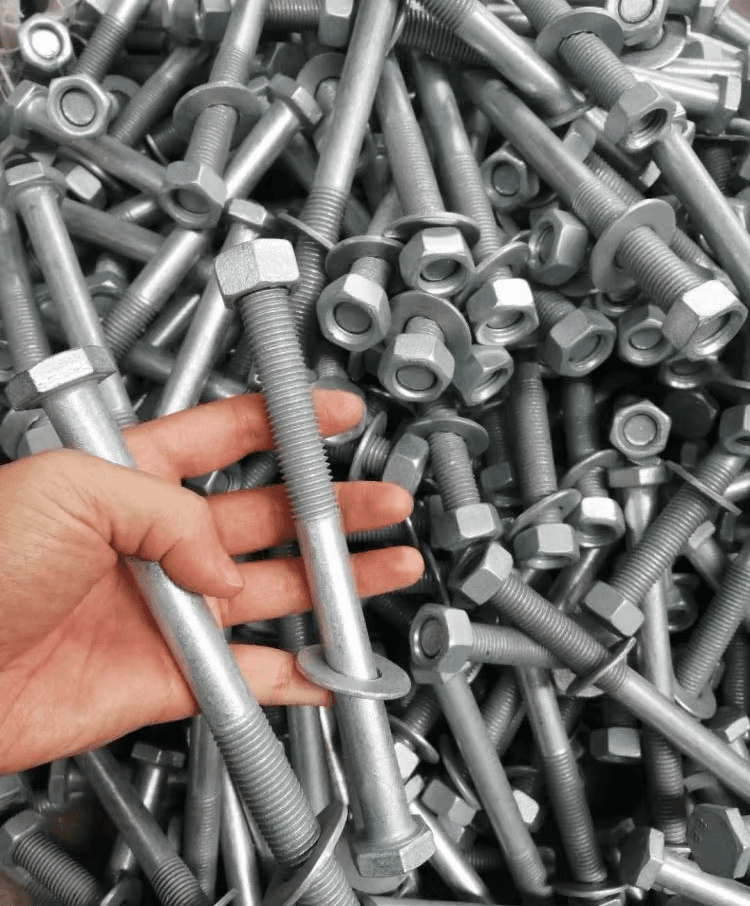
White rust is a white, chalky substance that forms on the surface of zinc-coated products, especially Hot Dip Galvanized (HDG) fasteners. It is a chemical reaction that occurs when newly galvanized zinc is exposed to moisture in an environment lacking oxygen.
The Cause: Container Rain
When a shipping container travels across the ocean, it passes through different climate zones. Daytime temperatures heat the container, causing any moisture inside the wood pallets or cardboard to evaporate. At night, the temperature drops rapidly. This trapped humidity condenses on the cold ceiling of the container and drips down onto the cargo. This phenomenon is known in the logistics industry as "container rain."
If fasteners are packed in cheap, unprotected cardboard boxes, the boxes absorb the water, collapse, and keep the HDG bolts soaked in moisture for weeks.
The Solution:
To prevent white rust, moisture must be blocked from reaching the metal.
- Inner Plastic Liners: Every carton or keg must be lined with a heavy-duty, sealed plastic bag to physically block moisture.
- Desiccants: For high-risk climates or highly sensitive products, placing industrial desiccants (moisture absorbers) inside the sealed bags or the container helps control humidity.
- Dry Pallets: Ensure the factory uses properly dried, fumigation-free wooden pallets (plywood) rather than raw wood with high moisture content.
Threat 2: Thread Damage from Transit Shock
The Reality of Heavy Cargo
When a ship encounters rough seas, the cargo inside the container shifts and vibrates. If heavy hex bolts or threaded rods are packed loosely in thin, single-wall cardboard boxes, the sharp threads will cut through the cardboard from the inside out.
Once the carton bursts, thousands of heavy steel bolts crash into each other. This metal-on-metal impact destroys the carefully machined threads (especially the overtapped threads of HDG nuts) and chips away the protective zinc coating. When the bolts arrive at the job site, the nuts will no longer fit.
The Solution:
- Weight Limits: A single carton should never exceed 25 kg (55 lbs). Overloaded boxes are guaranteed to burst under their own weight during transit and are unsafe for warehouse workers to lift.
- Heavy-Duty Corrugated Cartons: Export fasteners require double-wall or triple-wall corrugated cartons that can withstand stacking pressure.
- Tight Packing: Fasteners must be packed tightly to prevent internal movement. For threaded rods, bundle them tightly with steel or heavy plastic straps before placing them in wooden crates.
The Hotop Fasteners Export Packaging Standard
For export orders of hot dip galvanized bolts and hot dip galvanized threaded rods and studs, packaging should minimize trapped moisture and protect exposed threads from contact damage during container transport.
At Hotop Fasteners, we treat packaging as a critical mechanical specification, not an afterthought. We know that cheap packaging ruins good products. Our standard export packing procedure is designed specifically for heavy industrial fasteners:
Layer 1: The Moisture Barrier
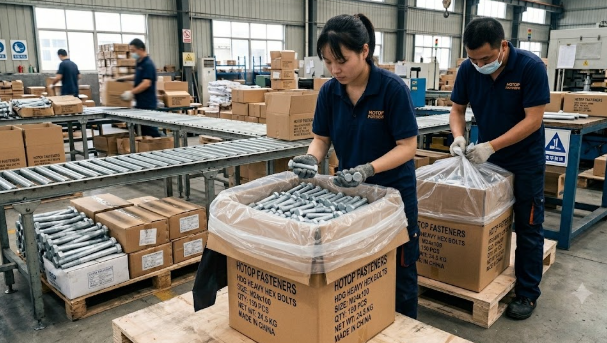
All HDG bolts, nuts, and washers are first placed into thick, tear-resistant PE (polyethylene) plastic bags. These bags are tied or sealed to lock out external humidity and prevent white rust.
Layer 2: The Primary Container
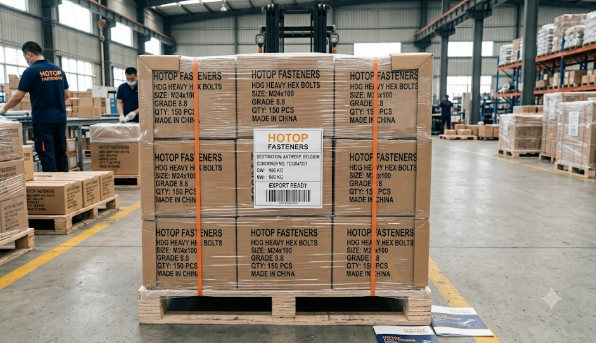
The sealed bags are placed into heavy-duty export cartons (maximum 25 kg per carton). Each carton is clearly labeled with the exact product standard, size, grade, and quantity for easy warehouse identification.
Layer 3: The Pallet Base
Cartons are systematically stacked on fumigation-free plywood pallets (usually 900 kg to 1,000 kg per pallet). Plywood is preferred because it holds significantly less moisture than solid raw wood, reducing the risk of container rain. For exceptionally heavy or long items like anchor bolts and threaded rods, we use reinforced wooden cases.
Layer 4: Securing the Load
The stacked cartons are secured to the pallet using high-tension PET strapping bands (not cheap plastic). Finally, the entire pallet is tightly machine-wrapped in multiple layers of stretch film. This binds the pallet into one solid block that will not shift during rough sea transit and provides an additional external moisture barrier.
Protect Your Procurement Investment
In bulk fastener procurement, choosing a supplier solely based on the lowest unit price often means sacrificing essential export packaging. The money saved on a cheaper bolt is instantly lost when the shipment arrives rusted or with crushed threads.
When you source from Hotop Fasteners, you are working with a manufacturer that understands international logistics. We ensure that the mechanical strength and corrosion resistance we build into our fasteners in the factory remain perfectly intact until they reach your construction site.
---
For guidance on selecting galvanized coatings for exposed projects, see Hot Dip Galvanized Bolts vs Zinc Plated Bolts.
Need a reliable fastener supply with zero sea freight headaches?
Related News
Other news you might be interested in
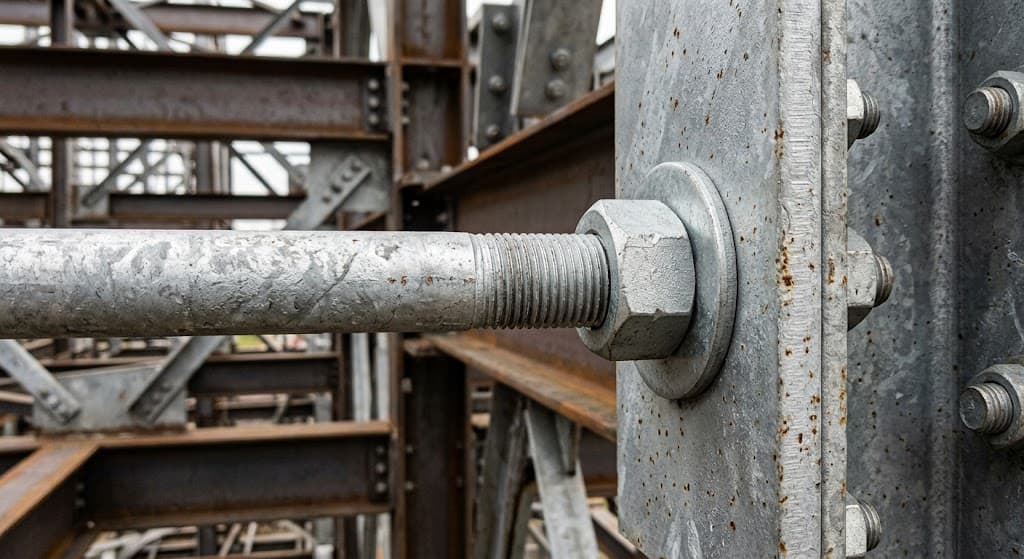
How to Specify Hot Dip Galvanized Tie Rods for Steel Bracing: Diameter, Thread Length and RFQ Checklist
Learn how to specify hot dip galvanized tie rods for steel bracing and tension applications. Check diameter, thread length, coating, matching components and RFQ requirements.
How to Select Hot Dip Galvanized Washers for Steel Structures
Learn how to select hot dip galvanized flat, square and beveled washers for steel structures. Compare washer functions, bolt compatibility, corrosion protection and RFQ requirements.
Want to know more?
Get in touch with us for more information about our services and products.