HDG Threaded Rods for Pipe Hangers: What Length and Nut Matching Should Buyers Confirm?

Annie Z
AuthorWith over 25 years of experience in fastener production and export sales, we operate our own manufacturing plant and our products are exported to over 50 countries. We are professional experts in bolts, nuts, washers, anchor bolts, and customized fasteners.
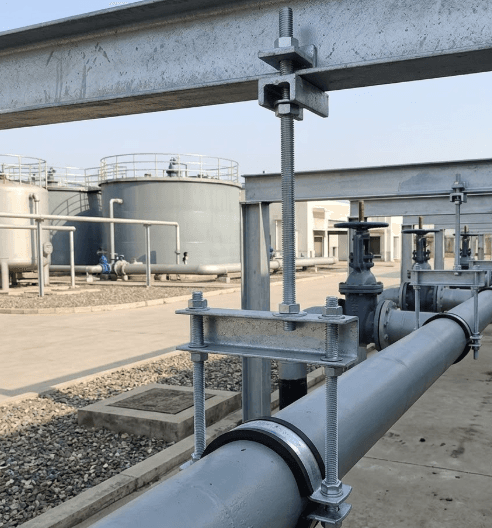
Pipe hanger systems are widely used in construction, water treatment plants, HVAC projects, industrial piping, fire protection systems, and outdoor utility installations. In many of these applications, threaded rods are used to suspend, support, or adjust pipe positions.
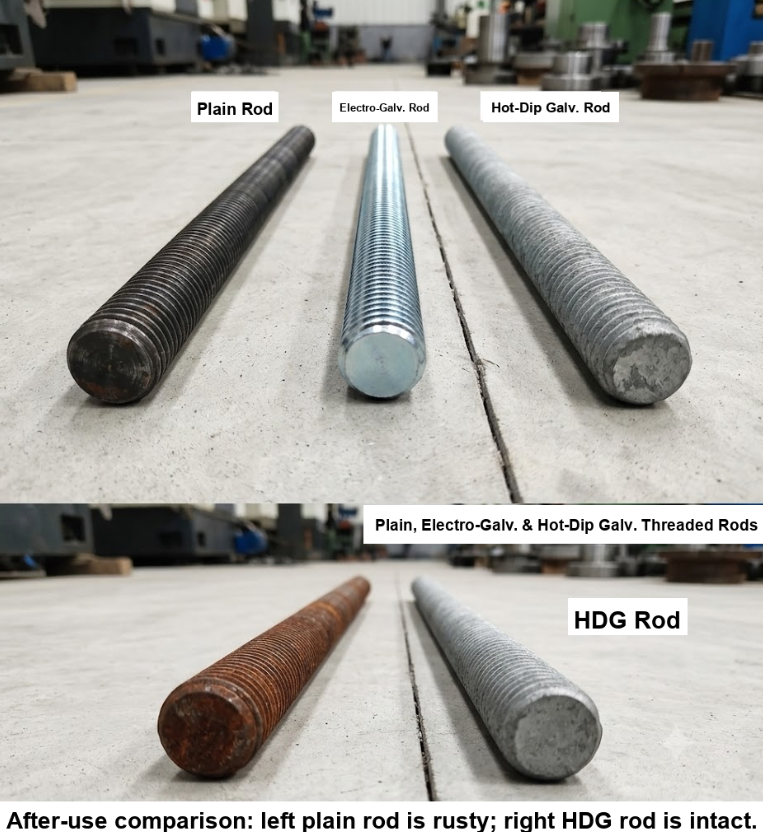
When the installation environment is outdoor, humid, or exposed to corrosion, many buyers choose HDG threaded rods, also known as hot dip galvanized threaded rods. Compared with plain or zinc plated rods, hot dip galvanized threaded rods provide better corrosion resistance for long-term use.
Before placing an order, buyers should not only ask for a price. Rod length, thread size, nut matching, washers, coating, packing, and application details all need to be confirmed. This article explains the key points buyers should check before ordering HDG threaded rods for pipe hangers.
What Are HDG Threaded Rods?
HDG threaded rods are steel rods with continuous threads along the full length. After threading, the rods are coated by hot dip galvanizing, which forms a zinc layer on the surface to help protect the steel from rust.
They are commonly used for:
- Pipe hanger systems
- HVAC suspension systems
- Fire sprinkler pipe supports
- Water treatment pipe racks
- Outdoor utility installations
- Steel structure support connections
- Bracing and adjustable fastening
- General construction fixing
For pipe hanger applications, threaded rods are usually used together with hex nuts, washers, beam clamps, pipe clamps, channel nuts, or other support hardware.
Why Hot Dip Galvanizing Matters for Pipe Hangers
Pipe hanger rods are often installed in environments where corrosion risk cannot be ignored. This may include outdoor construction sites, wet rooms, water treatment plants, industrial facilities, or semi-exposed areas.
Hot dip galvanizing provides a thicker zinc coating than normal zinc plating, making it more suitable for exposed or humid applications.
Buyers usually choose HDG threaded rods when:
- The project is outdoors
- The pipe system is installed in a humid area
- The fasteners need longer corrosion resistance
- The rods are used with galvanized pipe clamps or channels
- The project requires hot dip galvanized steel components
- The goods may be stored for a long time before installation
For dry indoor applications, zinc plated threaded rods may be enough. But for outdoor or high-humidity projects, HDG threaded rods are usually the safer choice.
1. Confirm the Rod Diameter and Thread Size
The first point to confirm is the rod diameter and thread size. Common threaded rods may be supplied in metric or imperial sizes, depending on the market.
Buyers should clearly confirm:
- Diameter
- Thread pitch
- Metric or inch thread
- Thread standard
- Required grade or material
- Compatibility with nuts and pipe hanger accessories
For example, an M12 threaded rod and a 1/2 inch threaded rod are not the same. If the thread system is unclear, the rod may not match the nuts, pipe clamps, or channel hardware used on site.
2. Confirm the Required Length
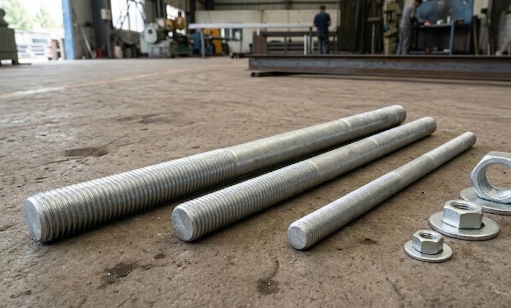
Threaded rods are usually supplied in standard lengths or cut-to-length pieces.
Common full lengths may include:
- 1 meter
- 2 meters
- 3 meters
- 6 feet
- 10 feet
- 12 feet
However, pipe hanger projects may require shorter cut lengths for easier installation. Buyers should confirm whether they need full-length rods or pre-cut pieces.
When choosing the length, consider:
- Suspension height
- Adjustment allowance
- Nut engagement length
- Pipe clamp thickness
- Beam clamp or channel connection
- Cutting loss
- Packing and shipping convenience
If rods are too short, they may not provide enough adjustment on site. If rods are too long, buyers may need extra cutting labor and may waste material.
For project-based orders, a cutting list can help reduce installation time and material loss.
3. Match the Correct Nuts
Nut matching is very important for HDG threaded rods.
Because hot dip galvanizing creates a thicker zinc coating, the thread surface becomes slightly larger after coating. If the nuts are not suitable, installation may become difficult. In some cases, the nut may not run smoothly on the rod.
Buyers should confirm:
- Nut size
- Nut type
- Thread standard
- Surface treatment
- Whether the nut is suitable for HDG threaded rods
- Whether heavy hex nuts or standard hex nuts are required
- Whether washers are needed
For hot dip galvanized threaded rods, it is usually better to order matching hot dip galvanized nuts from the same supplier. This helps reduce thread fit problems during installation.
4. Check Washer and Accessory Requirements
Threaded rods for pipe hangers may also need washers or other support accessories. These parts help distribute load, protect contact surfaces, and improve the connection.
Depending on the application, buyers may need:
- Flat washers
- Square washers
- Heavy washers
- Channel nuts
- Coupling nuts
- Pipe clamps
- Beam clamps
- Spring nuts
- Plates or brackets
If buyers only order rods without confirming accessories, they may find that the rods cannot be installed directly on site. For bulk or project orders, it is better to confirm the complete hanger assembly before purchasing.
5. Confirm the Application Environment
The working environment affects the suitable surface treatment and packing method. Buyers should consider:
- Is the pipe hanger system indoor or outdoor?
- Is the area humid?
- Is it near water, chemical vapor, or coastal air?
- Will the rods contact galvanized channels or clamps?
- Is the project temporary or long-term?
- Are there special corrosion resistance requirements?
For outdoor or humid installations, HDG threaded rods are usually recommended. For clean and dry indoor use, zinc plated rods may be acceptable if the project allows it.
6. Pay Attention to Packing and Handling
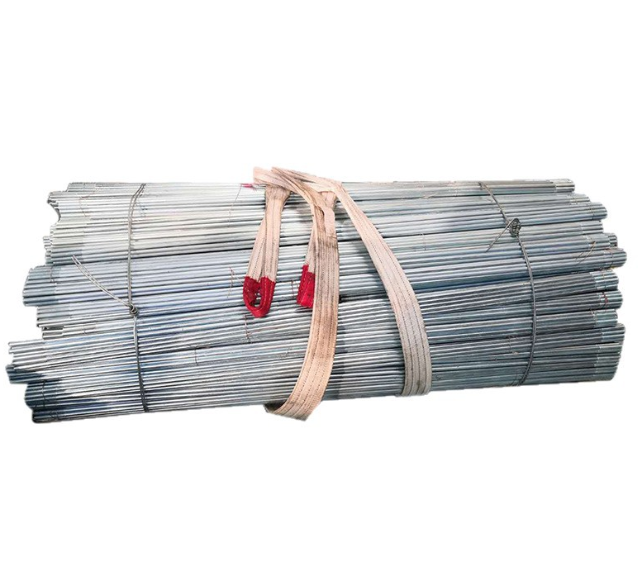
Threaded rods are long and easy to damage if they are not packed correctly. During sea shipment or warehouse storage, poor packing may cause thread damage, moisture exposure, or mixed sizes.
Buyers should confirm:
- Bundle weight
- Pieces per bundle
- Plastic wrapping or moisture protection
- Pallet packing
- Label requirements
- Mixed size packing or separate packing
- End protection if required
7. What Buyers Should Provide Before Quoting
To receive an accurate quotation, buyers should provide complete information at the beginning. This can save time and reduce mistakes.
A good inquiry for HDG threaded rods should include:
- Rod diameter
- Thread pitch
- Standard length or cut length
- Material or strength grade
- Surface treatment: hot dip galvanized
- Nut and washer requirements
- Quantity
- Packing requirement
- Application: pipe hanger, HVAC, fire sprinkler, water treatment, etc.
- Destination port or delivery address
- Drawing or sample photo if available
If the buyer is not sure about the correct specification, photos of the installation position or existing parts can also help the supplier check.
Common Mistakes When Ordering HDG Threaded Rods
Some purchasing problems happen because the order information is incomplete or unclear.
Common mistakes include:
- Only asking for “galvanized threaded rod” without confirming hot dip galvanized or zinc plated
- Confusing metric thread with inch thread
- Not confirming rod length before quoting
- Ordering rods without matching nuts
- Ignoring thread fit after hot dip galvanizing
- Not confirming packing for long rods
- Mixing different sizes without clear labels
- Not providing application details
For pipe hanger projects, these mistakes may cause installation delays, extra cutting work, or wrong accessory matching.
Conclusion
HDG threaded rods are a practical choice for pipe hanger systems used in outdoor, humid, or corrosive environments. Before ordering, buyers should confirm the rod diameter, thread size, length, nut matching, washer requirements, application environment, and packing method.
Our team can help check the suitable solution for your project.
Related News
Other news you might be interested in
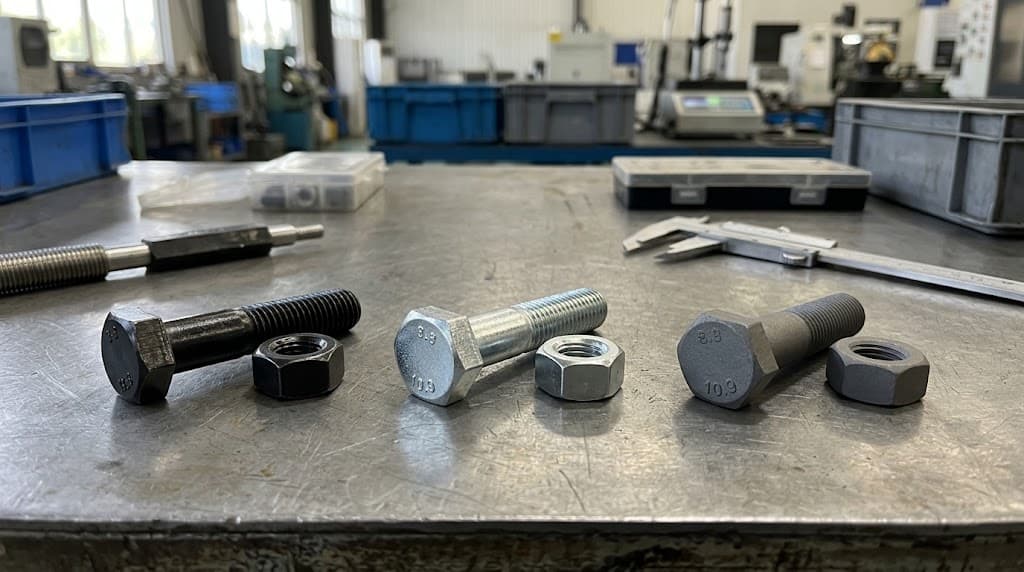
Are Black Oxide Fasteners Suitable for Outdoor Use?
Compare black oxide, electro galvanized, and hot dip galvanized fasteners by corrosion protection, cost, and application. Learn what to specify before requesting a bulk quote.
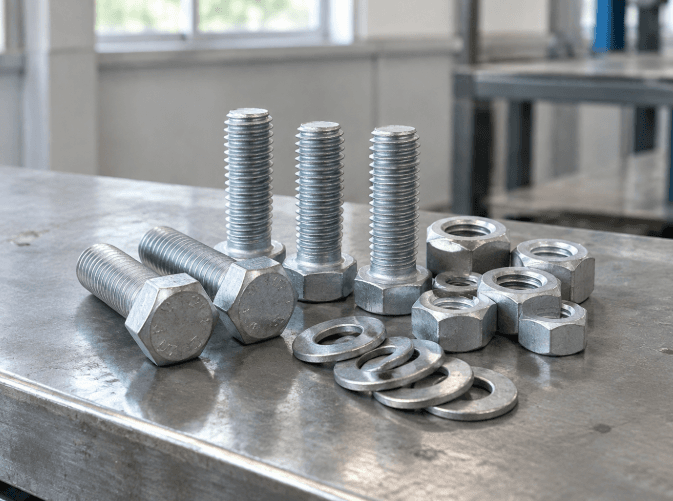
Hot-Dip Galvanized Bolts at Canton Fair 2026: What Bulk Buyers Should Check
Sourcing hot-dip galvanized bolts and nuts for a construction or steel structure project? Learn what bulk buyers should check for standards, grades, coating, thread fit, inspection and supply before placing an order.
Want to know more?
Get in touch with us for more information about our services and products.