HDG Fender Washers for Timber and Outdoor Structures: When Do Buyers Need Larger OD Washers?

Annie Z
AuthorWith over 25 years of experience in fastener production and export sales, we operate our own manufacturing plant and our products are exported to over 50 countries. We are professional experts in bolts, nuts, washers, anchor bolts, and customized fasteners.
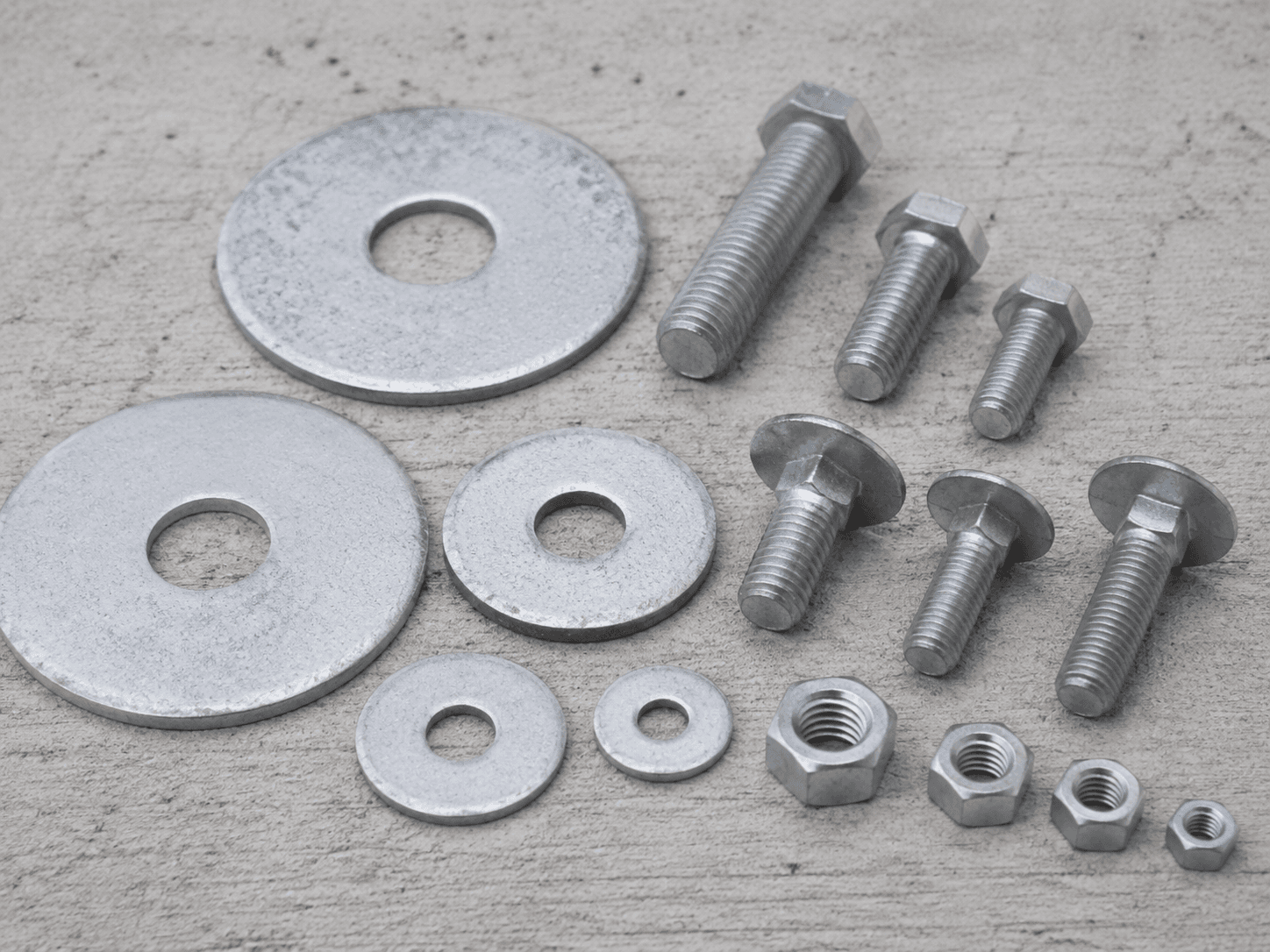
In many outdoor projects, bolts and nuts are not used alone. Washers are needed to spread the load, protect the surface, and improve the stability of the connection. For timber structures, fencing, docks, farm buildings, and other outdoor assemblies, buyers often choose HDG fender washers with a larger outside diameter.
Compared with standard flat washers, fender washers have a larger outside diameter in relation to the hole size. This larger bearing area helps reduce surface pressure and can prevent the bolt head or nut from pulling into softer materials.
Before placing an order, buyers should confirm the washer OD, ID, thickness, coating, bolt matching, and application environment. This article explains when larger OD washers are useful and what buyers should check before purchasing hot dip galvanized fender washers.
What Are HDG Fender Washers?
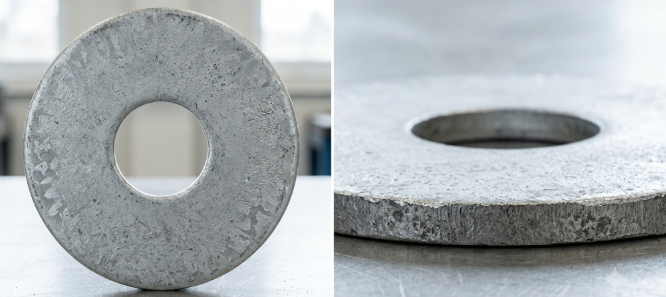
HDG fender washers are large outside diameter washers made from steel and finished by hot dip galvanizing. The hot dip galvanized coating helps protect the washer from corrosion in outdoor or humid environments.
A fender washer usually has:
- A larger outside diameter than a standard flat washer
- A central hole for bolt or screw installation
- A wide bearing surface
- A hot dip galvanized finish for outdoor corrosion resistance
They are commonly used with bolts, carriage bolts, threaded rods, nuts, and other fasteners in timber, steel, and mixed-material connections.
Common Applications for HDG Fender Washers
Hot dip galvanized fender washers are suitable for many outdoor and semi-outdoor projects.
Common applications include:
- Timber construction
- Wooden decks and docks
- Farm buildings
- Fence and gate assemblies
- Greenhouse frames
- Outdoor brackets
- Utility structures
- Trailer and equipment repair
- Wood-to-metal connections
- General outdoor bolted assemblies
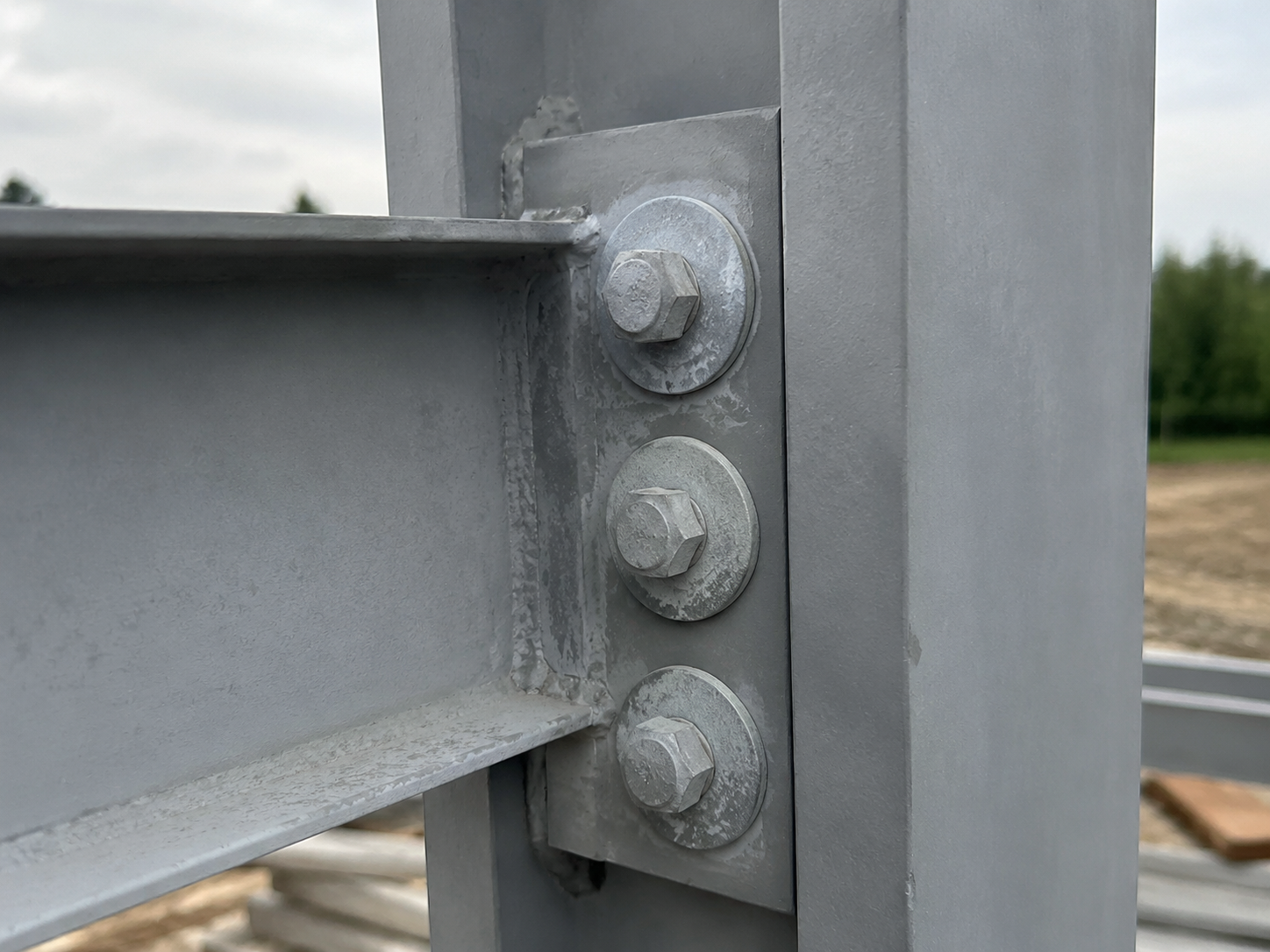
For outdoor projects, HDG fender washers are often used together with hot dip galvanized bolts, nuts, and carriage bolts to improve corrosion resistance across the whole connection.
Fender Washers vs Standard Flat Washers
Both fender washers and standard flat washers can be used under bolt heads or nuts, but they are not designed for the same purpose.
| Item | Fender Washers | Standard Flat Washers |
|---|---|---|
| Outside diameter | Larger OD | Smaller OD |
| Bearing area | Wider support area | Normal support area |
| Common use | Timber, oversized holes, soft surfaces | General bolted connections |
| Surface protection | Better for soft or thin materials | Suitable for regular steel surfaces |
| Cost | Usually slightly higher | Usually lower |
| Outdoor use | Available in HDG finish | Available in HDG finish |
If the connection surface is steel and the hole size is standard, a normal flat washer may be enough. If the material is timber, thin sheet, or has oversized holes, a fender washer may be a better choice.
Why Hot Dip Galvanizing Matters Outdoors
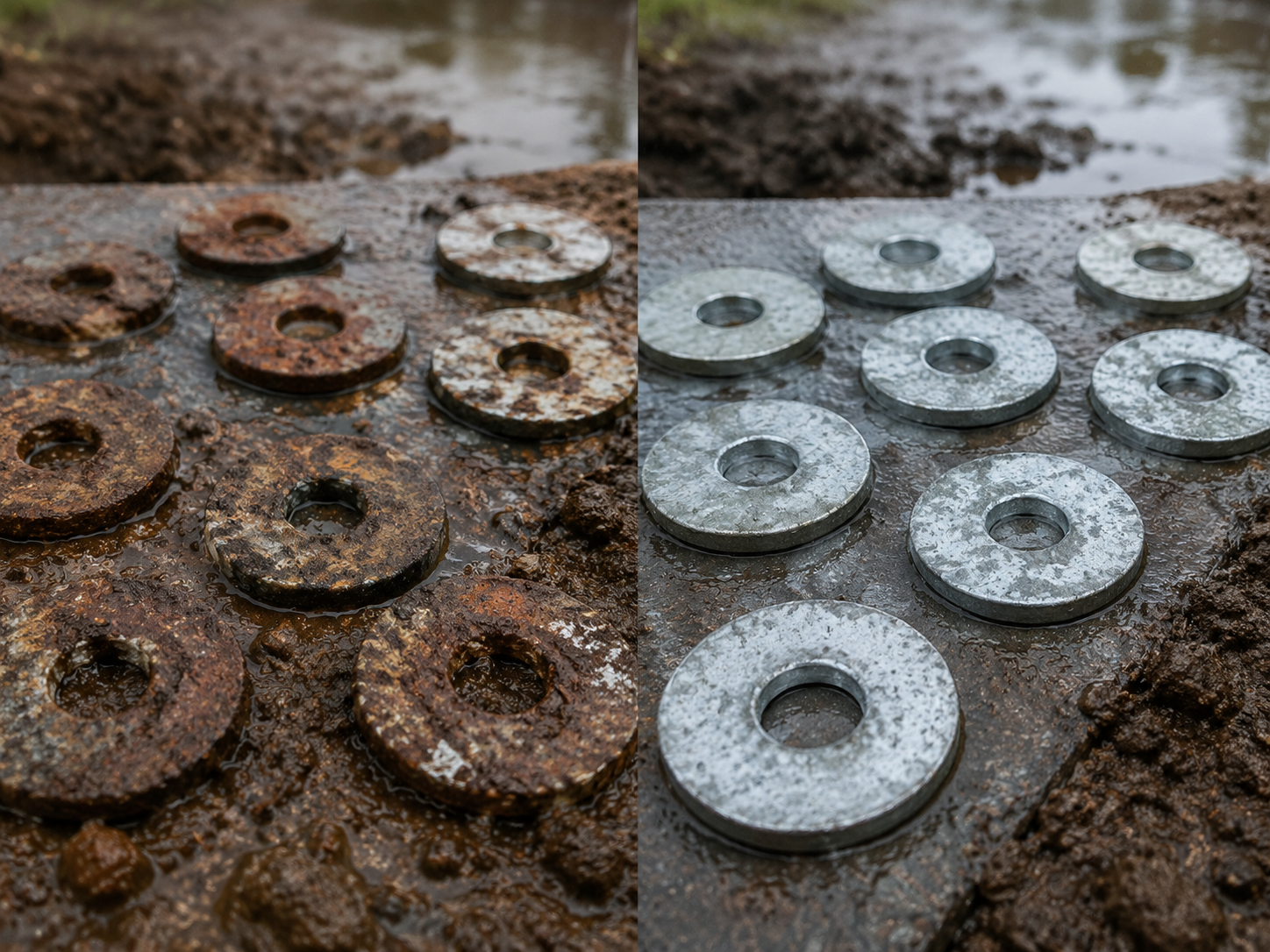
Outdoor fasteners face rain, humidity, temperature changes, soil, mud, and sometimes coastal air. A plain steel washer can rust quickly in these conditions. Zinc plated washers may provide basic protection, but for long-term outdoor exposure, hot dip galvanized washers are usually more suitable.
HDG fender washers are often selected for:
- Outdoor timber projects
- Dock and deck construction
- Farm and greenhouse structures
- Fence and gate installations
- Projects using hot dip galvanized bolts
- Humid or semi-exposed environments
Hot dip galvanized washers usually have a matte gray or silver-gray surface. They may not look as bright as zinc plated washers, but the thicker zinc coating is more practical for outdoor applications.
1. Confirm the Outside Diameter
The outside diameter is the most important feature of a fender washer. A larger OD provides a wider contact area, but it must also fit the available installation space.
Buyers should confirm:
- Required washer outside diameter
- Space around the bolt hole
- Contact surface size
- Whether the washer will interfere with nearby parts
- Whether the washer is used under the bolt head, nut, or both sides
For timber or soft material, a larger OD can help reduce surface crushing. But if the washer is too large, it may not fit between brackets, channels, or edge distances.
2. Confirm the Inside Diameter
The inside diameter must match the bolt or threaded rod size. If the hole is too small, the bolt cannot pass through. If the hole is too large, the washer may not sit properly or may reduce support around the bolt.
Buyers should confirm:
- Bolt diameter
- Washer inside diameter
- Metric or inch size
- Standard hole or oversized hole
- Whether the washer is used with carriage bolts, hex bolts, or threaded rods
For example, washers used with M8, M10, M12, 1/4 inch, 3/8 inch, or 1/2 inch bolts all require different hole sizes.
3. Check Washer Thickness
Thickness affects strength and support. A washer that is too thin may deform under load, especially when used with timber, brackets, or outdoor equipment.
Buyers should consider:
- Material thickness
- Tightening force
- Load requirement
- Surface type
- Whether vibration is expected
- Project standard or drawing
For light-duty fencing, thinner washers may be acceptable. For timber structures, docks, trailers, or heavy-duty outdoor assemblies, thicker washers may be required.
4. Match the Correct Bolts and Nuts
Fender washers are usually part of a complete fastener set. To avoid installation problems, buyers should confirm the matching bolts and nuts before ordering.
Common matching products include:
- Hot dip galvanized carriage bolts
- Hot dip galvanized hex bolts
- Hot dip galvanized nuts
- Hot dip galvanized threaded rods
- Lock washers if required
- Additional flat washers or square washers
For timber projects, carriage bolts are often used because the round head and square neck can help prevent turning during installation. Fender washers may be used under the nut side to spread the load.
Common Mistakes When Ordering Fender Washers
Some problems happen because buyers only provide the bolt size and do not confirm the washer dimensions.
Common mistakes include:
- Asking for “washer for M10 bolt” without confirming OD and thickness
- Choosing a standard flat washer when a larger OD washer is needed
- Using zinc plated washers for long-term outdoor applications
- Ignoring the available installation space
- Not confirming whether washers are needed on one side or both sides
- Mixing metric and inch sizes
- Not matching the washer finish with the bolt and nut finish
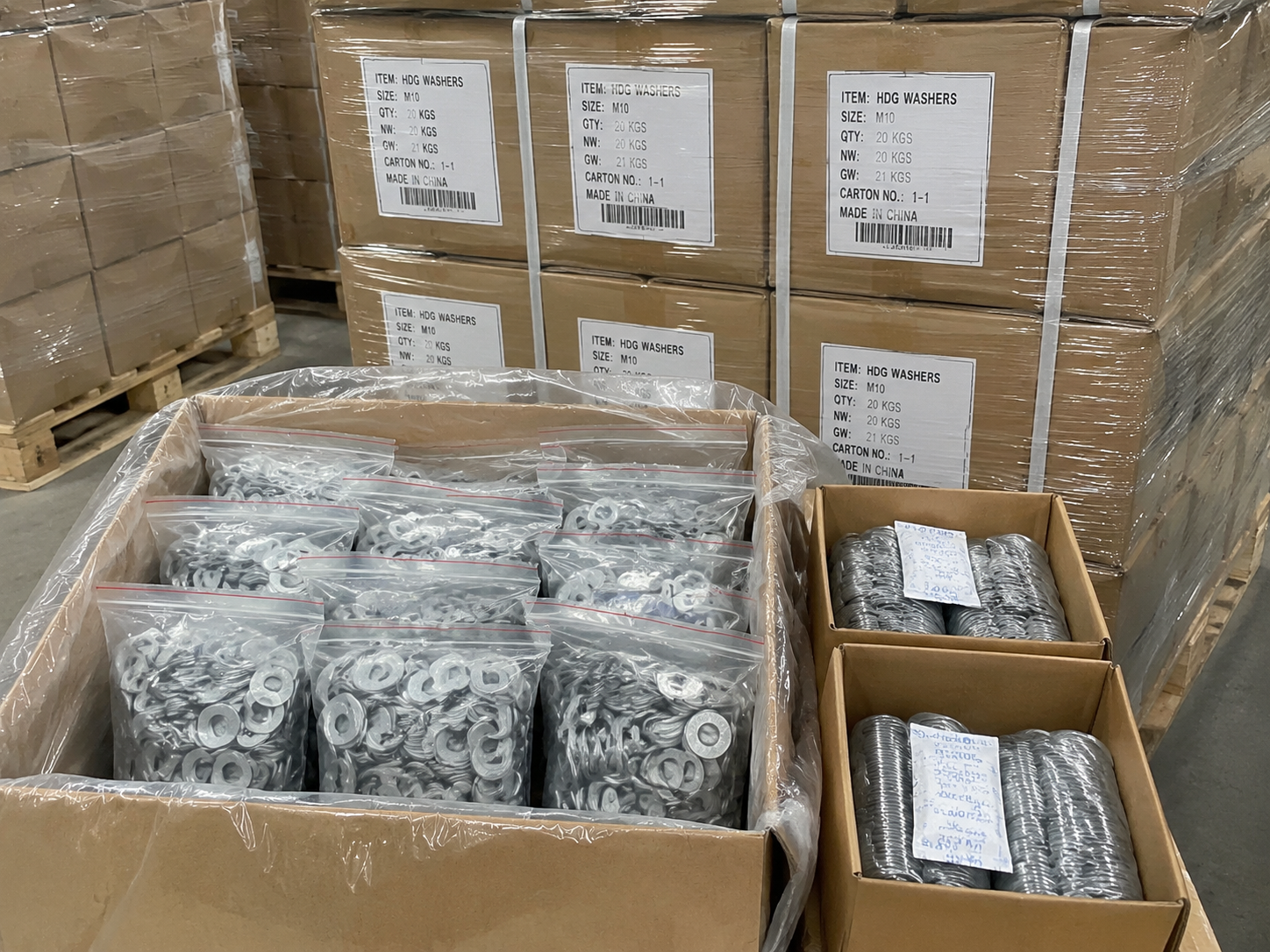
These details may seem small, but they can affect installation quality and service life.
Conclusion
HDG fender washers are useful when buyers need a larger bearing area under a bolt head or nut. They are especially suitable for timber, fencing, docks, farm structures, greenhouses, and other outdoor projects where standard flat washers may not provide enough surface support.
Before ordering, buyers should confirm the outside diameter, inside diameter, thickness, surface treatment, matching bolts and nuts, application environment, and packing requirements. Clear specifications help avoid wrong sizes and installation problems.
Our team can help check the suitable HDG washer solution for your project.
Related News
Other news you might be interested in
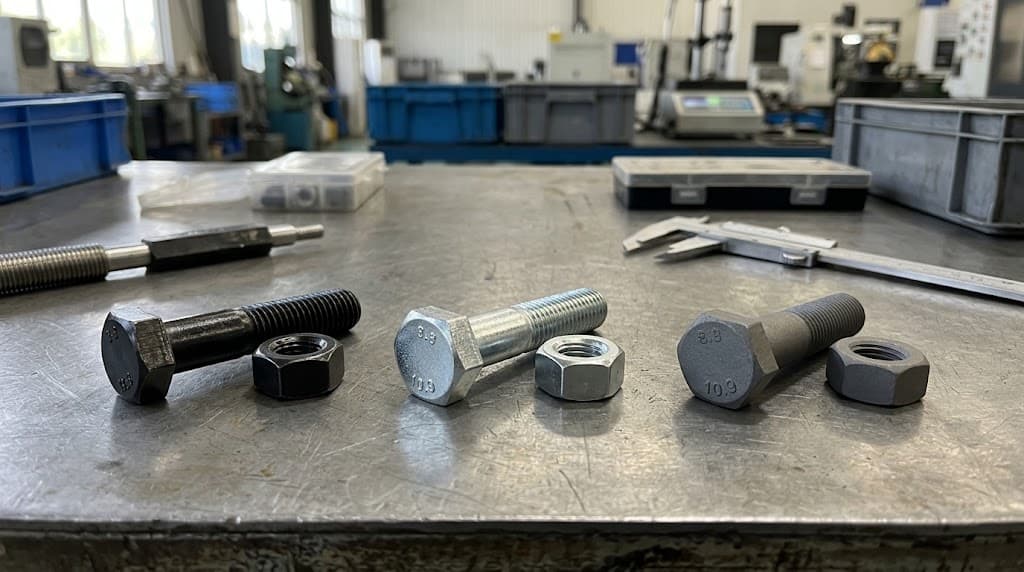
Are Black Oxide Fasteners Suitable for Outdoor Use?
Compare black oxide, electro galvanized, and hot dip galvanized fasteners by corrosion protection, cost, and application. Learn what to specify before requesting a bulk quote.
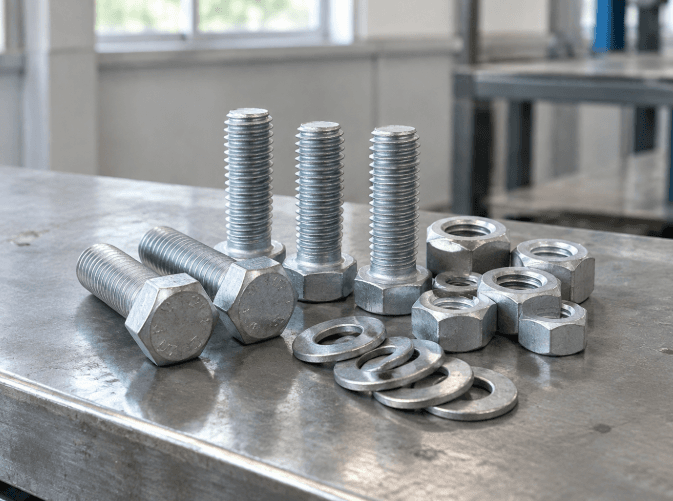
Hot-Dip Galvanized Bolts at Canton Fair 2026: What Bulk Buyers Should Check
Sourcing hot-dip galvanized bolts and nuts for a construction or steel structure project? Learn what bulk buyers should check for standards, grades, coating, thread fit, inspection and supply before placing an order.
Want to know more?
Get in touch with us for more information about our services and products.